Unraveling the Plot Holes: Exploring Inconsistencies in Beloved TV Shows
Writers strive to avoid plot holes, which are inconsistencies in a narrative that can arise from continuity errors, changes in character motivation, or violations of established rules. These holes are more common in TV shows with multiple seasons, where new writers may overlook earlier details. Plot holes can detract from the quality of a show, frustrating fans when characters act out of character or when inconsistencies arise. Despite being beloved, some series have glaring plot holes that are hard to overlook.
In "Buffy the Vampire Slayer," Season 7 introduces a plot hole when Buffy needs to train potential slayers to take her place if she dies. However, Buffy has died multiple times before, and the need for a group of slayers is inconsistent with the show's previous events. This inconsistency undermines the final season's plot and continuity.
"Heroes" faces a plot hole with Claire Bennett's healing abilities, which are retconned from manifesting at puberty to being present since birth. This inconsistency in Claire's origin story muddies her character development and stands out among other superpowered individuals in the series.
"Supernatural" introduces a plot hole with the archangels' corruption, as Lucifer's corruption due to the Mark of Cain is inconsistent across different universes. The lack of explanation for this inconsistency leaves viewers puzzled about the origins of Lucifer's corruption.
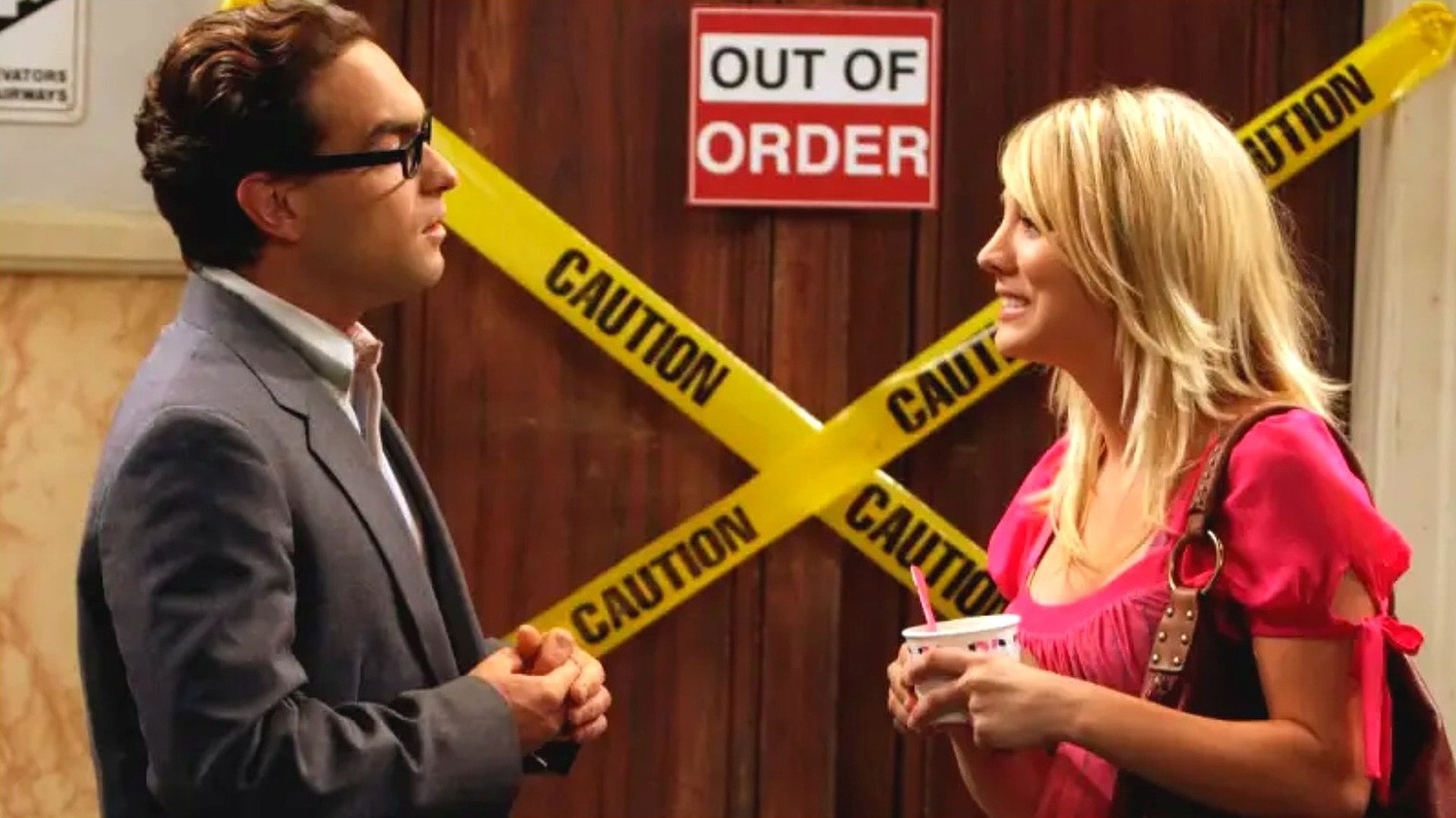
"The Big Bang Theory" features a plot hole with the broken elevator, where the explanation for its malfunction contradicts an earlier episode. This inconsistency in the elevator's history raises questions about the characters' memories and the show's scientific roots.
"Dexter" encounters a plot hole with Hannah McKay's return in Season 8, as she fails to disguise herself despite being wanted for murder. Hannah's lack of disguise stands out in the series and undermines the believability of her character's actions.
"Family Matters" introduces a massive plot hole when Judy Winslow disappears from the show without explanation after Season 4. Judy's sudden absence is noticeable to viewers, and her disappearance was a result of the show's focus shifting to other characters.
"Sex and the City" faces a plot hole with Carrie Bradshaw's fourth-wall breaks, which are abruptly abandoned without explanation. This creative change disrupts the show's narrative and creates a barrier between the character and the audience.
"Brooklyn Nine-Nine" features a plot hole with Jake Peralta's facial hair, as he laments his inability to grow a mustache but is shown with a full beard in prison. This inconsistency in Jake's appearance reflects his character's growth but raises questions about his earlier statements.
"The X-Files" encounters a plot hole with Mulder wearing a wedding ring in Season 5 despite not being married. The unexplained presence of the ring on Mulder's finger creates confusion and disrupts the character's continuity.
"Friends" includes continuity errors, such as Monica's apartment number changing and inconsistencies in character introductions. These goofs and plot holes detract from the show's overall consistency and believability.
In conclusion, while these series are beloved by many, they each have at least one plot hole that challenges the narrative's coherence and character development. Plot holes can detract from the quality of a show and leave fans questioning the logic and consistency of their favorite series.