California Proposition 50: Reshaping Congressional Districts for Political Impact
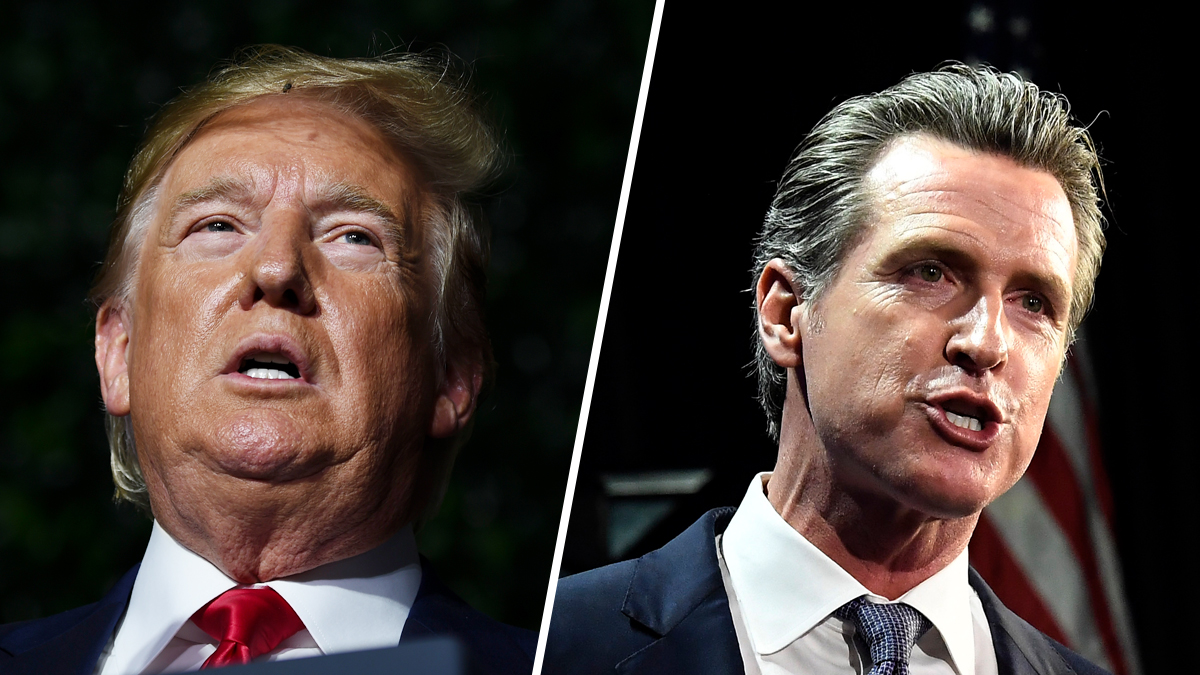
California voters recently had the opportunity to vote on Proposition 50, which aimed to reshape congressional districts in the state. This initiative, proposed by Governor Gavin Newsom and the California Legislature, sought to make temporary changes to the existing congressional district maps approved by state lawmakers. The goal was to potentially shift some House seats from Republican to Democratic control, with the possibility of flipping up to five seats in favor of Democrats. The new maps would be used for the next three election cycles, after which the independent redistricting commission would resume drawing the maps following the 2030 U.S. Census.
The proposition, named after the 50 states, was the sole question on the ballot in the statewide special election. California's 23 million registered voters were asked to authorize the temporary changes to the congressional district maps. The vote centers closed at 8 p.m. on Tuesday, and the results were eagerly awaited. The next election for all U.S. House seats is scheduled for 2026, with Republicans currently holding a slim 219-213 margin and three vacancies. The issue of redistricting has gained national attention, with Texas recently adopting a new map that could potentially flip five Democratic-leaning U.S. House seats. In response, California took action to address partisan gerrymandering and potentially increase the number of Democratic-held congressional seats.
California Democrats currently hold 43 of the state's 52 congressional seats, and if Proposition 50 is approved, this number could increase to 48. With 10.3 million registered Democrats, 5.8 million registered Republicans, and 5.2 million voters not affiliated with any party in California, the outcome of the proposition could have significant implications for the state's political landscape. The battle over redistricting and the potential shift in congressional seats underscore the importance of voter participation and the impact of electoral decisions on the composition of the U.S. House of Representatives.