Supreme Court Considers President Trump's Tariff Authority Under IEEPA: Implications for Executive Power
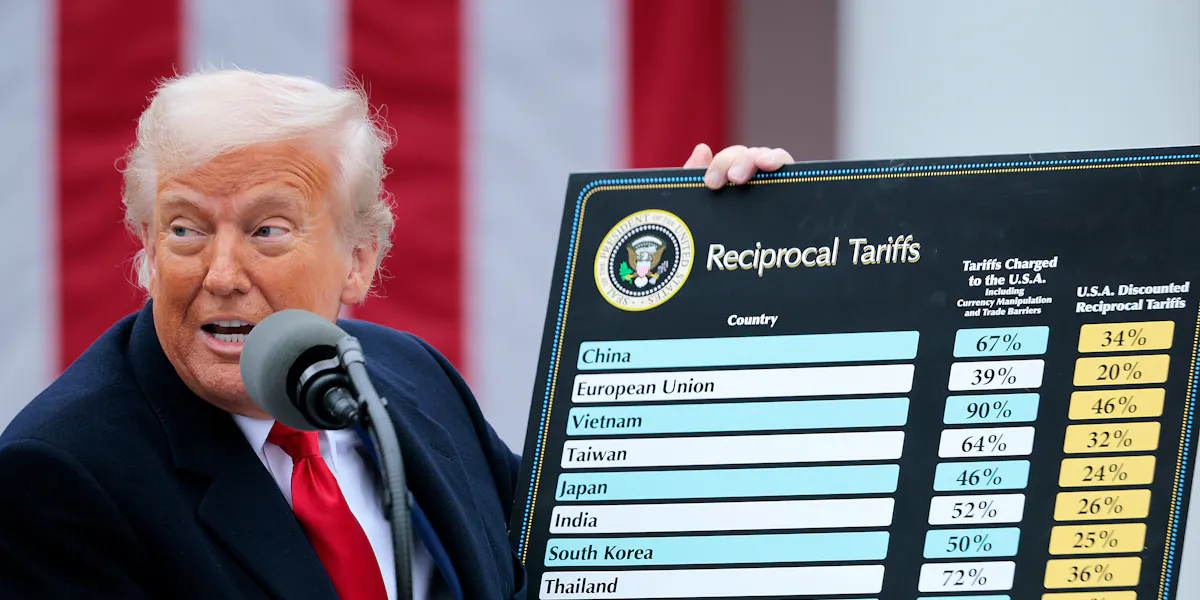
The Supreme Court is currently considering the legality of President Trump's authority to impose tariffs on American importers. The court's liberal justices and some conservative justices expressed skepticism about the administration's argument that the tariffs were legal under the International Emergency Economic Powers Act (IEEPA). The litigants, including small businesses and state governments, argued that IEEPA does not grant the president the power to impose tariffs, as it is a core legislative function.
IEEPA, enacted in 1977, gives the president broad discretion to apply economic sanctions during a declared national emergency. Trump used this authority to impose tariffs on goods from countries like China, Mexico, and Canada. The litigants argued that Congress did not intend to transfer the power to raise tariffs to the president through vague language in IEEPA.
The court has previously blocked presidential policies of significant economic and political impact if Congress did not clearly authorize them. The litigants argued that imposing tariffs on all U.S. imports under IEEPA exceeds the president's authority. The Trump administration claimed that the tariffs were regulatory, not revenue-raising, but Chief Justice Roberts pointed out that tariffs ultimately amount to taxes on Americans.
During oral arguments, Justice Barrett questioned the administration's broad use of tariffs and asked for historical precedent for the interpretation of "to regulate importation." Justice Sotomayor highlighted instances where tariffs were imposed seemingly unrelated to national security concerns. Justices Thomas, Alito, and Kavanaugh appeared more sympathetic to the administration's arguments based on executive power.
While oral arguments do not definitively predict the court's decision, a majority of justices seem inclined to limit the president's authority to impose tariffs under IEEPA. This case could have significant implications for the balance of power between the executive and legislative branches.