Immigration Crackdown: Impact on the Construction Industry in the United States
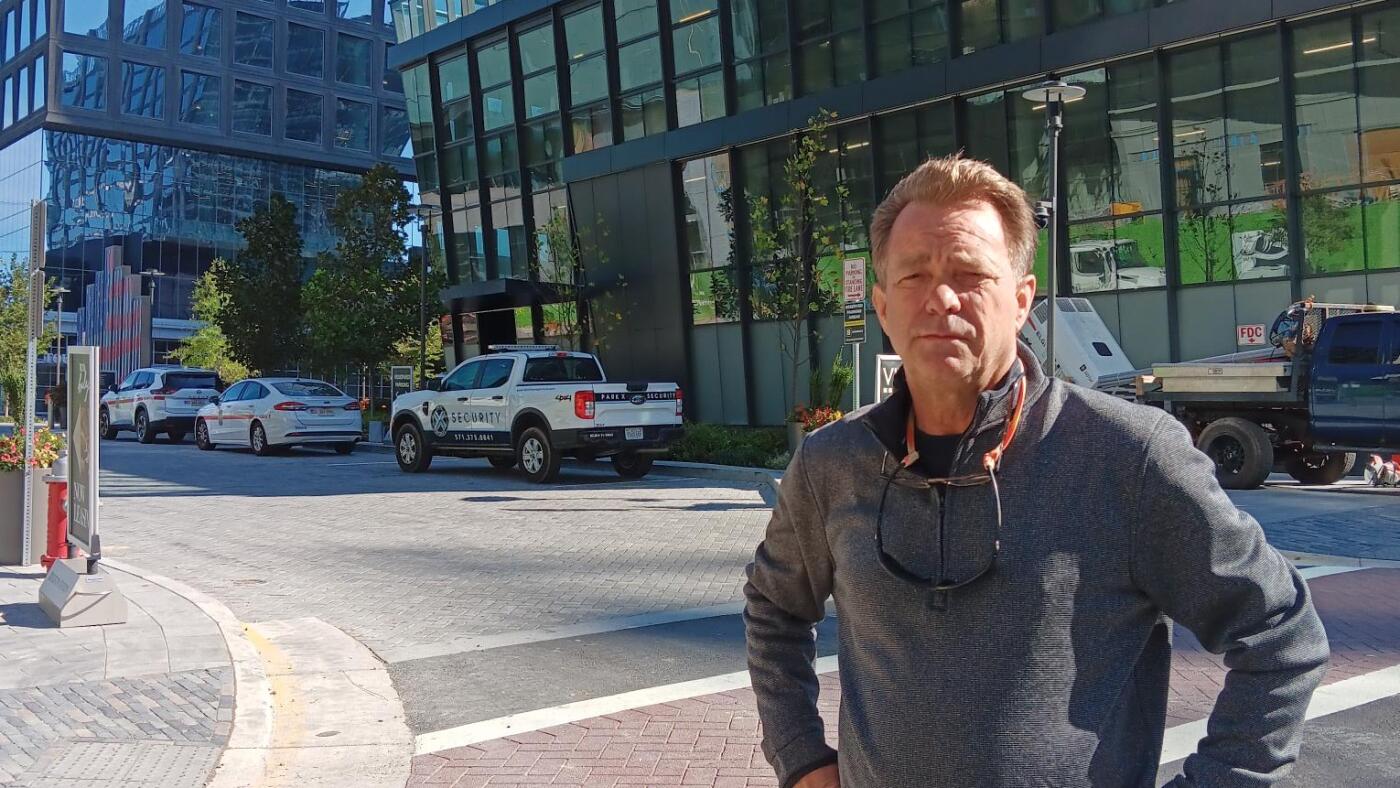
The construction industry in the United States is facing a severe labor shortage exacerbated by President Trump's immigration crackdown. Rurick Palomino, a Peruvian immigrant and U.S. citizen, runs a construction firm in Washington, D.C., where his crew is working on a bridge refurbishment project. The industry, where one in three workers is foreign-born, is struggling to find workers due to ICE checkpoints and raids targeting Latino workers. The fear of deportation is causing both undocumented and documented workers to avoid construction sites, leading to slower progress and increased costs.
President Trump's immigration policies have resulted in a significant impact on the construction industry, with ICE actions disrupting work and causing labor shortages. The Associated General Contractors of America reported that 92% of construction firms are struggling to fill positions, with immigration actions affecting 28% of surveyed firms. The enforcement actions are causing delays in projects, driving up costs, and creating skill gaps in the workforce.
The anxiety among Latino workers, both documented and undocumented, is affecting construction crews across the country. ICE raids at construction sites and checkpoints are leading to workers not showing up or leaving mid-task, further exacerbating the labor shortage. The fear of deportation is pervasive, with some firms removing business signs from their vehicles to avoid being targeted.
The construction industry relies heavily on immigrant workers, with a high percentage of foreign-born workers in states like California, New Jersey, Texas, and Florida. The shortage of workers is costing the industry billions annually, with a gap of 1.5 million housing units in the housing market. The crackdown on immigration is leaving contractors struggling to find skilled workers, leading to increased costs and delays in projects.
The Trump administration's focus on deportations is leaving the construction industry with a widening labor shortage and skill gaps. Contractors are facing challenges in finding workers who can perform specialized tasks like drywalling and flooring installation. The decline in unionization and the reliance on undocumented workers recruited through labor brokers are contributing to wage stagnation and uncertainty in the industry.
While the administration argues that deportations create job opportunities for U.S.-born workers, industry experts like Palomino and Mallick believe that native-born workers are not willing to take on the jobs left vacant by deported immigrants. The Economic Policy Institute estimates that the construction industry could lose 1.4 million immigrant workers, leading to a net loss of 861,000 jobs among U.S.-born workers. The industry is struggling to attract new workers, and efforts to modernize the skilled trades workforce have been met with skepticism.
Palomino and others in the industry advocate for a visa program for immigrant workers to address the labor shortage. They believe that creating a pathway for skilled workers to work without fear of deportation is essential for the industry's survival. Palomino, who built his business from scratch, emphasizes the importance of allowing workers to live and work without fear, highlighting the contributions of immigrant workers to the construction industry.
In conclusion, the construction industry in the United States is facing a critical labor shortage exacerbated by President Trump's immigration policies. The fear of deportation among immigrant workers, both documented and undocumented, is causing delays in projects, driving up costs, and creating skill gaps in the workforce. Industry experts emphasize the need for a visa program to address the shortage and ensure the industry's sustainability.