Sandwich Thrower Acquitted: The Legal Battle Over a Protest Gesture in Washington, D.C.
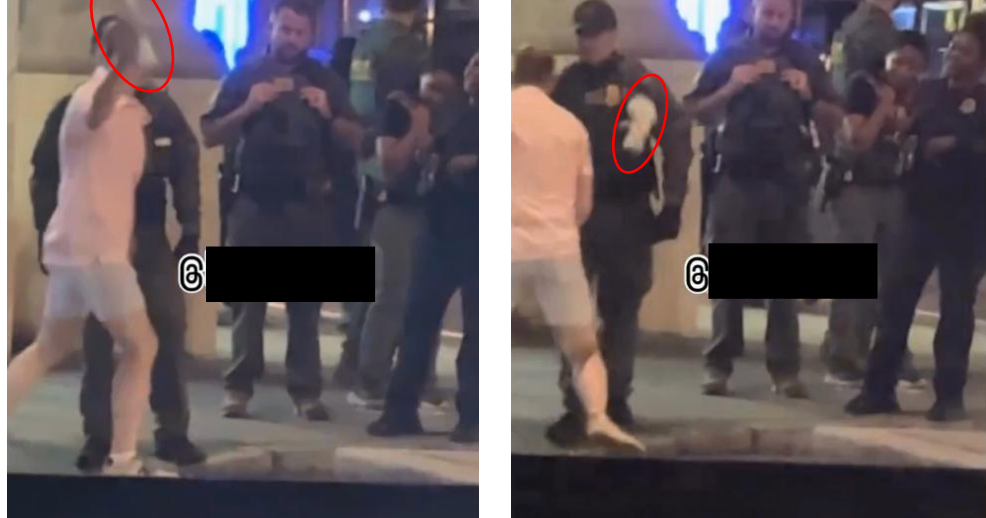
A man named Sean Dunn was recently acquitted of a misdemeanor assault charge in Washington, D.C. after allegedly throwing a sandwich at a Customs and Border Patrol officer. The incident, which occurred in August, gained attention as a symbol of resistance against federal policing measures in the capital. In a video of the incident, Dunn can be seen yelling at the officer before throwing the sandwich and attempting to flee. Despite the charges, Dunn's attorney argued that the sandwich throw was a harmless gesture that did not cause any injury.
During the trial, Customs and Border Patrol Agent Gregory Lairmore testified that he was hit by the sandwich, which exploded on his ballistic vest, leaving stains of onions and mustard on his uniform. The prosecution argued that Dunn's actions constituted an assault, as he crossed the line by physically striking the officer, even with a sandwich. However, Dunn's defense team contended that the sandwich throw was not forcible and did not pose a threat of bodily harm to the officer.
In the closing arguments, prosecutors emphasized that Dunn's actions met the definition of force, as he threw the sandwich with intent. On the other hand, Dunn's attorney compared the incident to a child's temper tantrum, stating that the sandwich throw did not cause reasonable fear of immediate bodily harm to the officer. The defense highlighted that the officer's bulletproof vest would have protected him from any harm caused by the sandwich.
Ultimately, the jury found Dunn not guilty of misdemeanor assault, concluding that the sandwich throw did not constitute a criminal act. The trial shed light on the complexities of defining assault and the boundaries of free expression, especially in the context of protests and demonstrations.