Unveiling Bob Dylan's Artistry: A Deep Dive into His Lyrics Through Artificial Intelligence
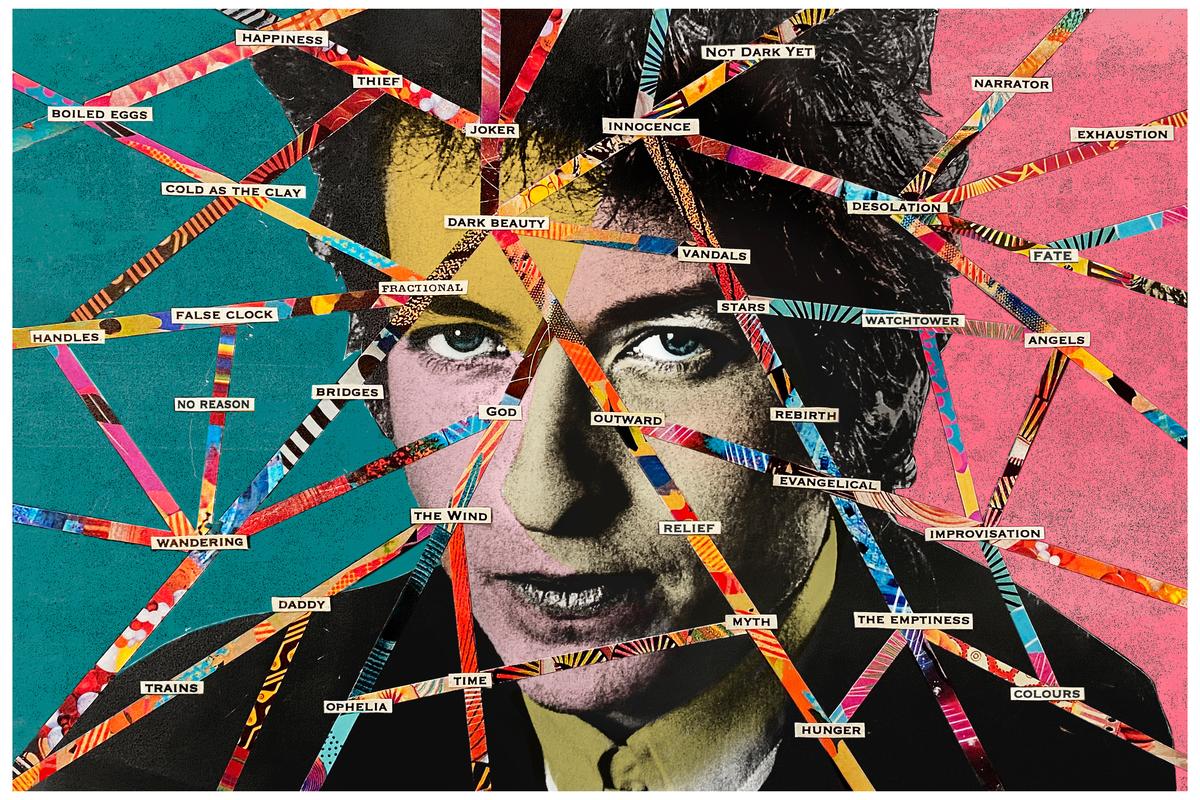
Bob Dylan's lyrics have long been a subject of fascination for critics and fans alike, with their depth and complexity inviting multiple interpretations. In 2016, Dylan was awarded the Nobel Prize in Literature for his contributions to the American song tradition. The idea of using artificial intelligence to analyze Dylan's extensive body of work is not as far-fetched as it may seem. Large language models (LLMs) can provide a new perspective on studying art and literature, offering a bird's-eye view of patterns and themes that may not be easily discernible through traditional close reading.
By feeding Dylan's official discography from 1962 to 2012 into an LLM, researchers were able to create a network of concepts and connections present in his songs. This network revealed how key words and motifs intertwine across his lyrics, showcasing the evolution and interconnectedness of his ideas over time. The analysis categorized relationships between concepts as literal or metaphorical, and tagged their emotional tone as positive, negative, or neutral.
The study found that Dylan's writing became increasingly figurative over the six decades analyzed, with metaphors taking precedence over literal statements. This shift towards metaphorical expression was gradual but consistent, reflecting a deeper exploration of emotional truths and darker themes in his later work. The analysis also revealed how Dylan's thematic concerns aligned with his life stages and cultural shifts, from protest and political themes in the 1960s to introspective and reflective narratives in the 1990s and beyond.
Dylan's thematic tides mirrored his personal experiences and broader cultural contexts, showcasing his ability to reinvent himself and defy expectations. His restless shape-shifting, described as 'dishabituation', kept audiences engaged and intrigued by his unpredictable artistic choices. The study's analysis of variance in Dylan's lyrics highlighted moments of high creativity and experimentation, particularly in the 1980s, when he explored diverse musical styles and themes.
Overall, the use of artificial intelligence to analyze Bob Dylan's lyrics offers a fresh perspective on his work, revealing hidden patterns and connections that enrich our understanding of his artistry. By tracing the evolution of Dylan's themes and emotional expressions over time, the study provides valuable insights into the complex and ever-changing landscape of his music.