Pink Floyd's Rocky Start: The Turbulent Beginnings of Their First American Tour
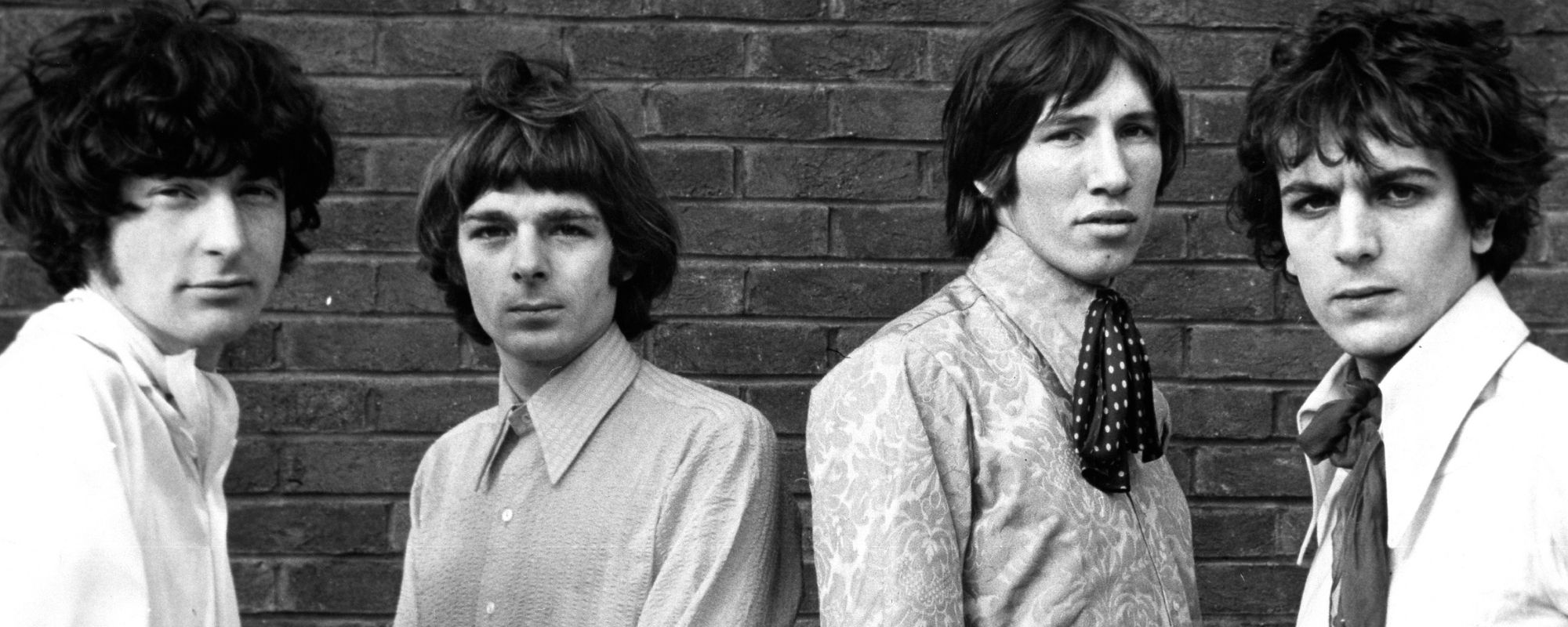
In 1967, the British psychedelic band Pink Floyd faced a rocky start to their first American tour. They encountered issues with work permits, preventing them from performing at their scheduled shows in San Francisco, Los Angeles, Chicago, and New York City. This oversight led to cancellations and re-bookings, leaving a negative impact on their debut in the U.S.
The band's troubles continued as they missed their album release party at the Whisky A-Go Go in Los Angeles and had to cancel a show at the Fillmore Auditorium due to lighting problems. Pink Floyd's planned television appearances were also marred by an uncomfortable interview on The Pat Boone Show, leading to the cancellation of subsequent TV spots. These setbacks culminated in the end of their first American tour on November 12, with Syd Barrett's mental health issues contributing to his eventual departure from the band.
Despite the challenges faced during their initial U.S. tour, Pink Floyd would go on to achieve mainstream success with albums like Dark Side of the Moon and Wish You Were Here. The band's resilience and ability to overcome early setbacks paved the way for their enduring legacy in the world of music.