Tom Petty & The Heartbreakers: The Making of 'Refugee' and Its Enduring Legacy
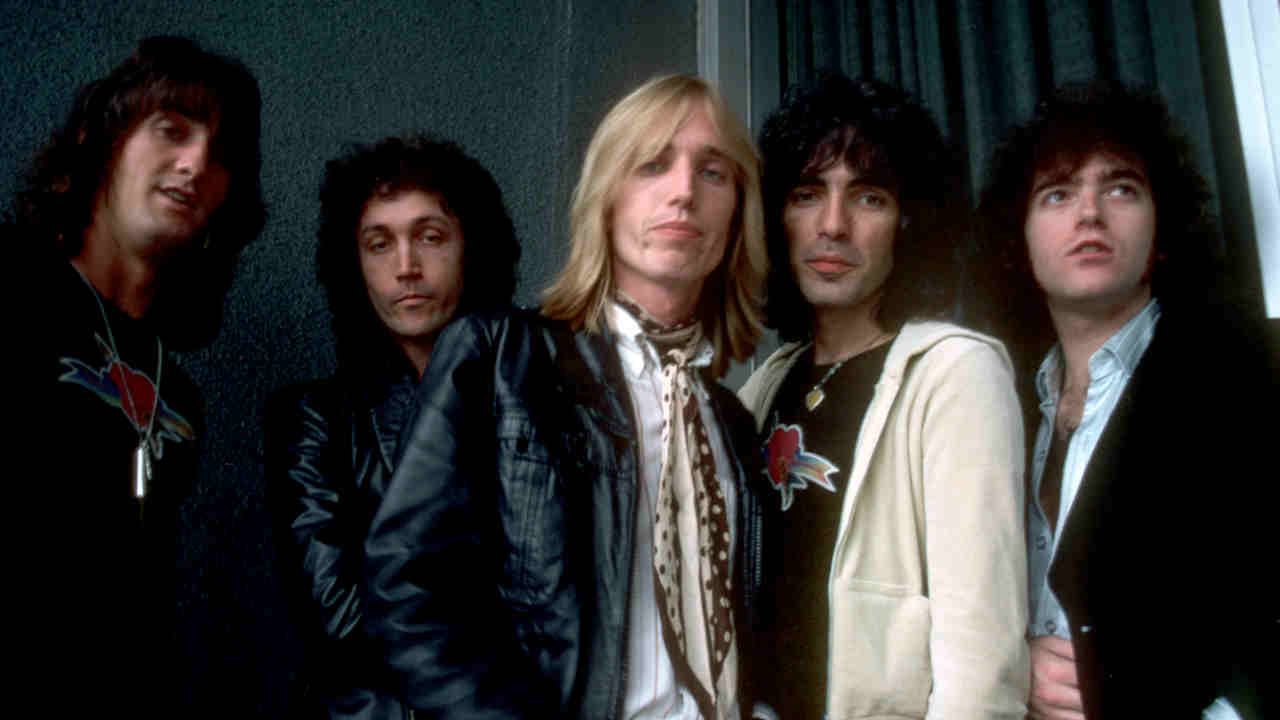
Tom Petty & The Heartbreakers made a significant impact with their 1979 hit song "Refugee," which marked a return to guitar rock amidst the changing music landscape of the late '70s. The track's dark and edgy sound, driven by Mike Campbell's guitar work, helped the band break into the US Billboard chart and gain widespread recognition. The inspiration for "Refugee" came from a tape of guitar ideas that Campbell shared with Petty, leading to a collaboration that would shape the band's sound.
The creative partnership between Campbell and Petty blossomed during the recording of their album "Damn The Torpedoes," with songs like "Refugee" and "Here Comes My Girl" showcasing Campbell's evolving talents. The process of bringing "Refugee" to life in the studio was not without challenges, as producer Jimmy Iovine and the band struggled to capture the essence of the song. Drummer Stan Lynch faced particular scrutiny over the drum sounds, leading to tension in the studio.
Despite the difficulties, the band persevered, recording over 100 takes of "Refugee" until they finally achieved the desired result. The relentless pursuit of perfection by Iovine and the band members pushed them to their limits, but ultimately led to a successful outcome. Even after the song was completed, the band continued to feel the weight of its legacy, often comparing their other work to the iconic status of "Refugee" and "American Girl."
Decades later, "Refugee" remains a staple of the band's live performances, though Petty's vocal challenges at times made it a struggle to deliver the song as intended. Despite the song's demanding nature, the band recognizes its significance and the enduring impact it has had on their career. "Refugee" may be an albatross they carry, but it is a testament to their musical legacy and the enduring power of their music.