Energy Infrastructure Attacks Escalate in Russia-Ukraine Conflict: Impact on Power and Heating Systems
Ukrainian strikes have disrupted power and heating in two major Russian cities near the Ukrainian border, according to local Russian officials. The ongoing conflict between Russia and Ukraine has led to frequent attacks on each other's energy infrastructure, with diplomatic efforts to end the war showing little progress. In a recent incident, a drone strike caused blackouts and cut heating in Voronezh, affecting over 1 million residents. Another missile strike damaged power and heating systems in Belgorod, impacting around 20,000 households.
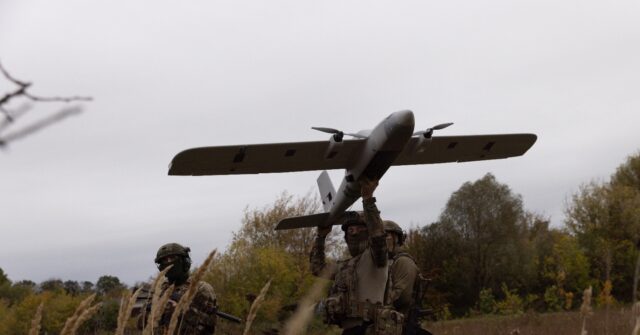
The Russian defense ministry reported that its forces intercepted 44 Ukrainian drones flying over southwestern Russia during the night. These drone strikes are part of Ukraine's strategy to target Russian refineries and disrupt Moscow's oil export revenue. On the other hand, Russia is accused of trying to cripple the Ukrainian power grid to deny civilians access to essential services during the harsh winter months. The recent attacks on power substations supplying Ukrainian nuclear power plants have raised concerns about nuclear safety in Europe.
Ukrainian Foreign Minister Andrii Sybiha condemned Russia's deliberate targeting of power substations at nuclear facilities, calling for urgent action from the International Atomic Energy Agency. The attacks on critical energy infrastructure near nuclear power sites have raised questions about the Ukrainian Energy Ministry's ability to protect these facilities. Meanwhile, Russia's Foreign Minister Sergey Lavrov expressed readiness to meet with U.S. Secretary of State Marco Rubio to discuss the conflict in Ukraine and improve bilateral relations. Moscow insists that any peace agreement must consider Russian interests, signaling its firm stance on the issue.
In conclusion, the ongoing conflict between Russia and Ukraine continues to escalate, with both sides engaging in attacks on energy infrastructure and strategic facilities. The recent incidents highlight the risks posed by the conflict, including threats to nuclear safety and civilian well-being. Efforts to resolve the war diplomatically have faced challenges, with both countries maintaining their positions on key issues. The international community remains concerned about the impact of the conflict on regional stability and security.