Preserving the Truth: State Efforts to Remember the January 6 Capitol Insurrection
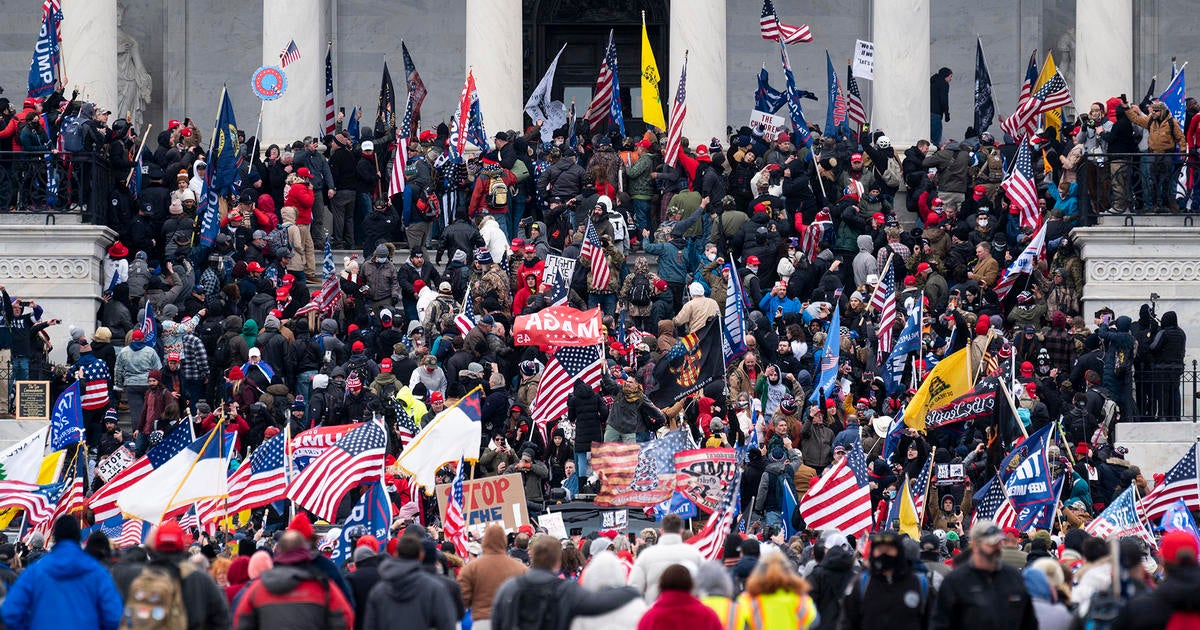
New York Assemblyman Chuck Lavine is leading efforts in his state to ensure that the history of the January 6, 2021, U.S. Capitol insurrection is preserved. Despite the riot taking place outside his district, Lavine is determined to inform his constituents about the events of that day. He has introduced legislation in New York that would mandate public school children to receive instruction about the insurrection. Lavine believes that teaching students the truth about history is crucial and that ignoring historical facts would be detrimental to both the students and the nation. The legislation must be passed by December 2026 to become law, and it is part of a broader movement across the country to educate the public about the Capitol riot.
In contrast to Lavine's efforts, House leaders in Washington have not implemented a federal law requiring the hanging of a plaque listing the names of law enforcement officers who responded to the Capitol violence. On the fourth anniversary of the attack, there was no official vigil or ceremony in the House or Senate to honor the victims. In Maine, military veteran and legislator Rafael Macias introduced a bill inspired by the events of January 6 as his first piece of legislation. The law, which was swiftly passed and signed by the governor, mandates the formal remembrance and preservation of witness accounts of the insurrection. Macias expressed concern about the rewriting of history surrounding January 6 and wanted to ensure that the attack is formally recognized.
Similarly, in Nevada, state legislators passed a resolution condemning former President Trump's pardons of Capitol rioters and the attack itself. Assemblymember Steve Yeager, a sponsor of the resolution, emphasized the importance of dispelling misinformation about January 6 and bringing attention to the reality of the events. Despite Nevada's support for Trump in the 2024 election, Yeager was unable to secure Republican support for the resolution, even from former law enforcement officers. The resolution was passed to counter the narrative that the riot was a peaceful protest and to shed light on the truth of what occurred on January 6.
Former U.S. Capitol Police officer Harry Dunn, who responded to the rioting mob on January 6, testified in support of Yeager's bill in Nevada. Dunn commended the state efforts to preserve the truth about the insurrection, especially in light of Congress's failure to install the mandated plaque honoring law enforcement officers. Trump's pardons of Capitol riot defendants, including those who assaulted police officers, have been criticized as attempts to erase the events of January 6. The efforts in states like New York, Maine, and Nevada aim to ensure that the history of the Capitol riot is not forgotten or rewritten, despite challenges at the federal level.