Navigating Economic Messaging: The White House's Challenge in Addressing Americans' Affordability Concerns
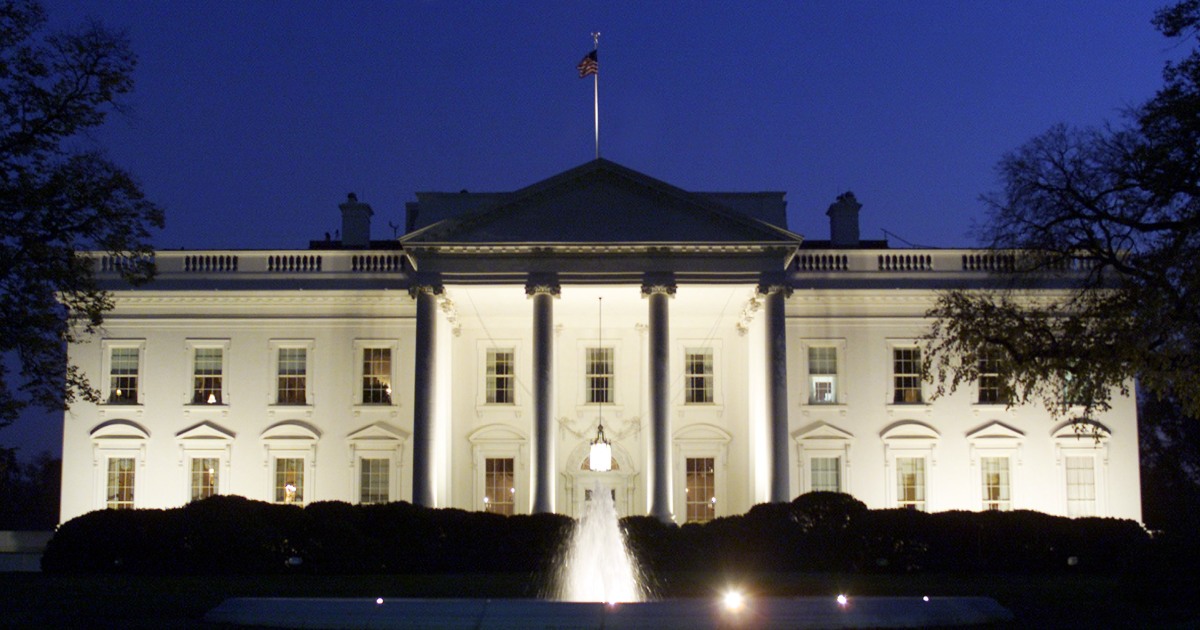
President Donald Trump is facing a challenge in convincing Americans that the economy is better than they perceive it to be. Following the recent election results, which highlighted voters' concerns about the high cost of living, there is a growing realization within the White House that the focus needs to shift towards addressing economic anxieties. White House aides have acknowledged the need to refocus the messaging on domestic issues and affordability, rather than international relations and pursuit of accolades like the Nobel Peace Prize.
Meetings have been held at the White House to discuss talking points centered on affordability in response to the election results. The administration is now more determined to communicate this message more forcefully to the public. However, Trump's own statements have sometimes contradicted this messaging pivot, as he has dismissed economic concerns and blamed negative media coverage for exaggerating the issue. Despite efforts to highlight affordability as a winning issue for Republicans, Trump's focus on deflecting blame and downplaying the problem has complicated the administration's messaging strategy.
During a public meeting with Hungarian President Viktor Orbán, Trump emphasized that affordability under his administration is better than under Joe Biden, accusing Democrats of hijacking the issue. He also criticized the media for not accurately covering his administration's efforts to address affordability. This attempt to shift the blame to the media overlooks the real challenge of addressing Americans' personal experiences with the economy and their concerns about the cost of living.
The situation echoes past administrations' struggles with economic messaging, where a focus on long-term investments and international relations clashed with immediate concerns about the cost of living. The Biden administration faced a similar challenge, with public discontent over economic issues contributing to Republican victories in subsequent elections. As the White House grapples with how to effectively communicate its economic policies, the need to address Americans' everyday economic struggles remains a pressing issue that cannot be ignored.
In conclusion, the White House's efforts to refocus its messaging on affordability in response to the recent election results reflect a recognition of the importance of addressing Americans' economic anxieties. However, the challenge lies in effectively communicating this message amidst competing priorities and conflicting statements from the administration. As the administration navigates this delicate balance, the need to address Americans' concerns about the cost of living remains a critical issue that cannot be overlooked.