Unraveling the Cenobite Universe: A Recommended Viewing Order for the "Hellraiser" Franchise
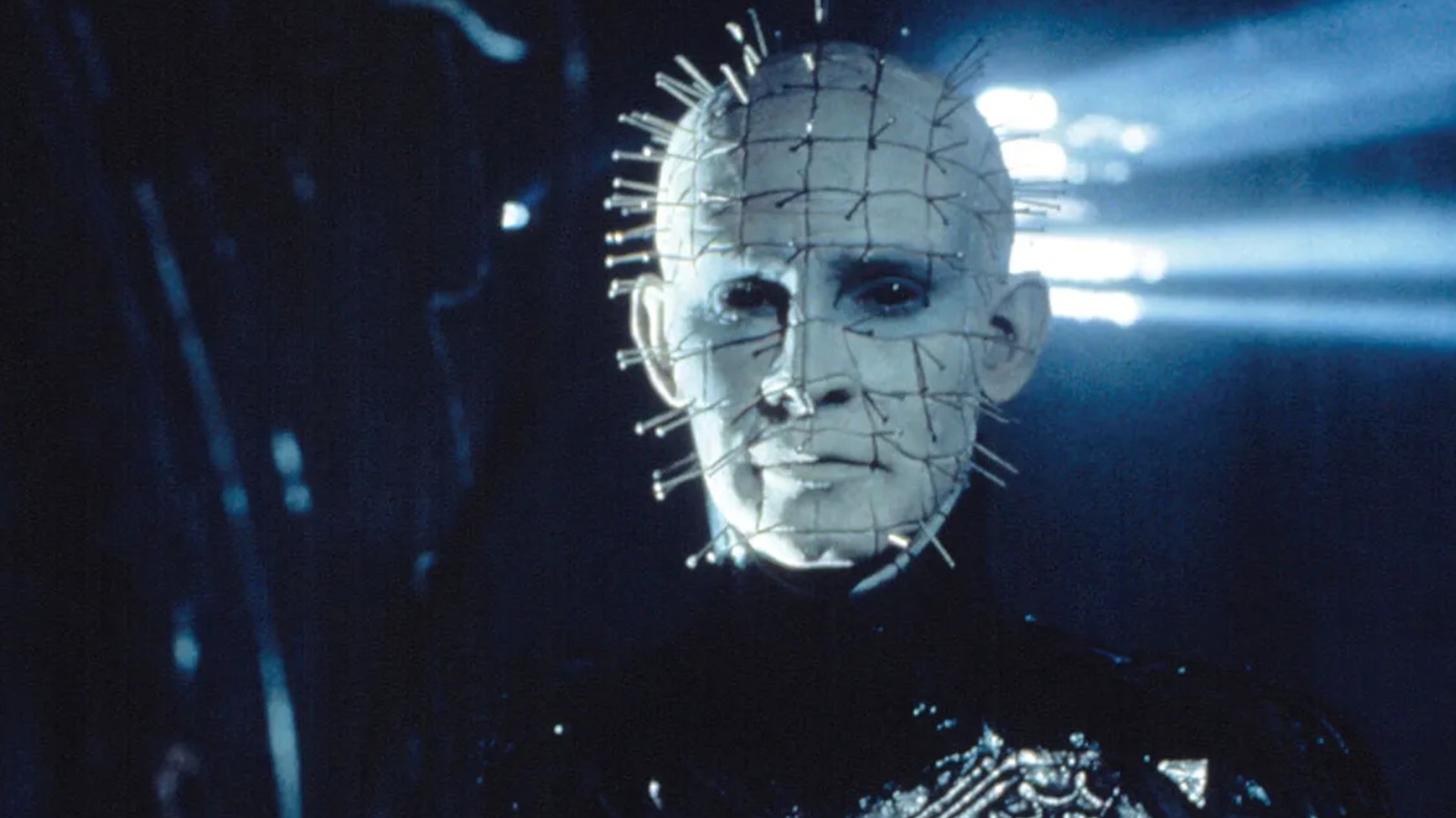
The "Hellraiser" movie series, which began in 1987, has captivated horror fans worldwide with its dark and disturbing themes. The franchise revolves around the Cenobites, a group of humanoid beings residing in a Hellish realm dedicated to sadomasochistic pleasure. Despite receiving mixed reviews, the series continues to enthrall audiences with its unique aesthetic and lore.
With 11 movies released over 40 years, the "Hellraiser" franchise can be overwhelming to navigate. The films, mostly avoiding numerical titles, explore suggestive subtitles instead. To help viewers delve into the series, we recommend a specific viewing order to fully appreciate the evolution of the Cenobite world and its lore.
Our suggested viewing order deviates from the chronological sequence by recommending a jump to the 2022 "Hellraiser" reboot after the original four films. This strategic shift is due to the decline in quality of the 21st-century installments, as indicated by critical reception. By first exploring the foundational narrative of the initial movies, viewers can better appreciate the subsequent reboot's fresh take on the Cenobite universe.
The first four "Hellraiser" films lay the groundwork for the series, offering a cohesive storyline that delves into the origins of the Cenobites and the dark forces at play. These movies provide essential context for understanding the subsequent developments in the critically acclaimed 2022 reboot. Once viewers grasp the core elements of the Cenobite lore, they can explore the diverse narratives and expansions presented in the later films.
"Hellraiser" debuted in 1987, introducing audiences to a tale of carnal desires and otherworldly horrors. The story follows Frank, who unlocks a puzzle box that leads to a nightmarish realm of pleasure and pain. As Frank's twisted resurrection unfolds, his family becomes entangled in a sinister plot involving the Cenobites, culminating in a chilling confrontation with his niece, Kirsty.
The sequel, "Hellbound: Hellraiser II" (1988), delves deeper into the Cenobite mythology, revealing the origins of Pinhead and the dark forces that bind him. As Kirsty navigates a psychiatric hospital teeming with supernatural threats, she must confront her past and battle the malevolent Dr. Channard to escape the clutches of the Cenobites once more.
"Hellraiser III: Hell on Earth" (1992) shifts the focus to a nightclub owner unwittingly unleashing Pinhead's wrath upon unsuspecting victims. Investigative reporter Joey uncovers the sinister connection between the puzzle box and a series of grisly crimes, leading to a showdown with Pinhead that exposes the Cenobite's human origins and fractured identity.
The fourth installment, "Hellraiser: Bloodline" (1996), weaves a complex narrative spanning centuries and galaxies, tracing the LeMarchand family's cursed legacy with the Lament Configuration. As the descendants grapple with the consequences of their ancestor's creation, a cosmic battle unfolds aboard a space station, offering a glimpse into the eternal struggle between humanity and the Cenobites.
By following the recommended viewing order and immersing oneself in the dark and twisted world of the "Hellraiser" series, viewers can unravel the mysteries of the Cenobites and witness the evolution of horror cinema. Whether exploring the original classics or embracing the modern reimagining, the "Hellraiser" franchise promises a chilling journey into the depths of terror and desire.