Analysis of the Recent Government Shutdown and Its Impact on the Midterm Elections and Healthcare Policy
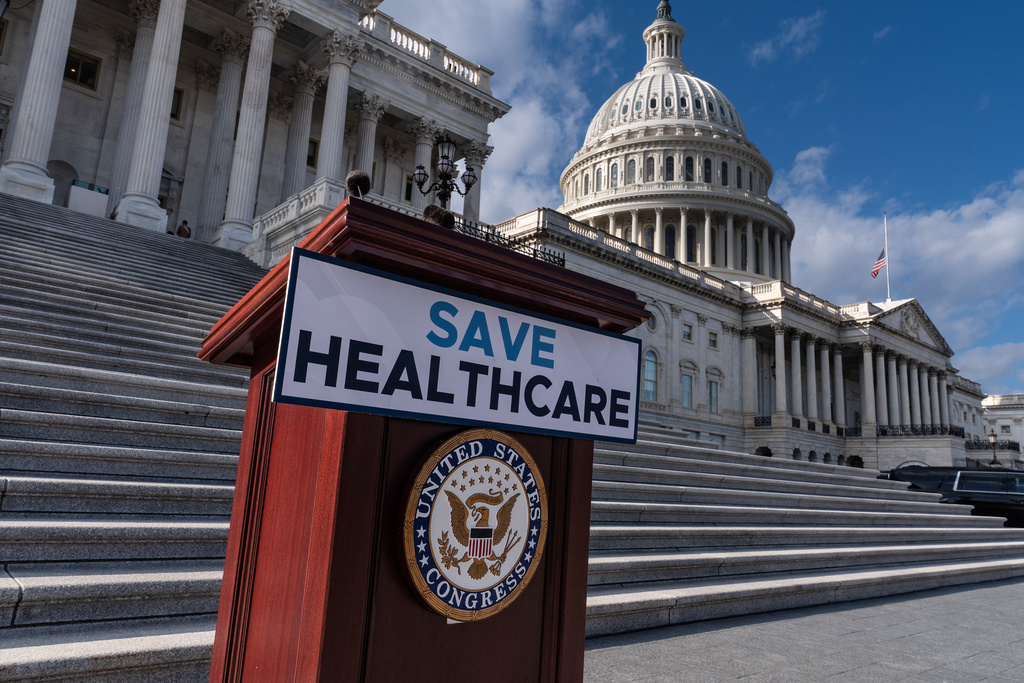
The recent government shutdown, lasting over 40 days, had no significant impact on either party's chances in the upcoming midterm elections, according to Washington Examiner In Focus editor Peter Laffin. The shutdown was caused by a disagreement among Democratic senators over the continuing resolution to fund the government, initially proposed during President Joe Biden's term. Despite the real pain inflicted on federal workers, particularly in northern Virginia, Laffin believes the shutdown will be quickly forgotten, with only a minor impact on the political landscape.
Senate Minority Leader Chuck Schumer led the push for a guaranteed extension of premium tax credits under the Affordable Care Act, which were expanded during the Biden administration. However, when eight Democratic senators broke ranks to vote to fund the government, no deal on the tax credits was reached. The issue of tax credits was crucial for swing voters, as highlighted in a February poll. The Congressional Budget Office estimated that permanently extending the enhanced credits would come at a cost of $383 billion, with potential consequences for the number of uninsured individuals if the credits were to expire.
Senator Jeanne Shaheen anticipates a bill addressing the ACA credit deadline, set to expire at the end of the year, to be introduced in mid-December. Shaheen believes that there is bipartisan support for addressing healthcare costs, with the potential for Republicans, including Trump supporters, to join efforts to find a solution. Without legislative action, ACA credits are scheduled to lapse on December 31.
In conclusion, the recent government shutdown, while causing hardship for federal workers, is not expected to have a lasting impact on the political landscape leading up to the midterm elections. The unresolved issue of extending premium tax credits under the Affordable Care Act remains a point of contention, with potential implications for healthcare costs and insurance coverage. Efforts to address this issue are ongoing, with bipartisan support anticipated in finding a solution before the year's end.