Embracing Power and Authenticity: Cynthia Erivo's Journey in Wicked: For Good
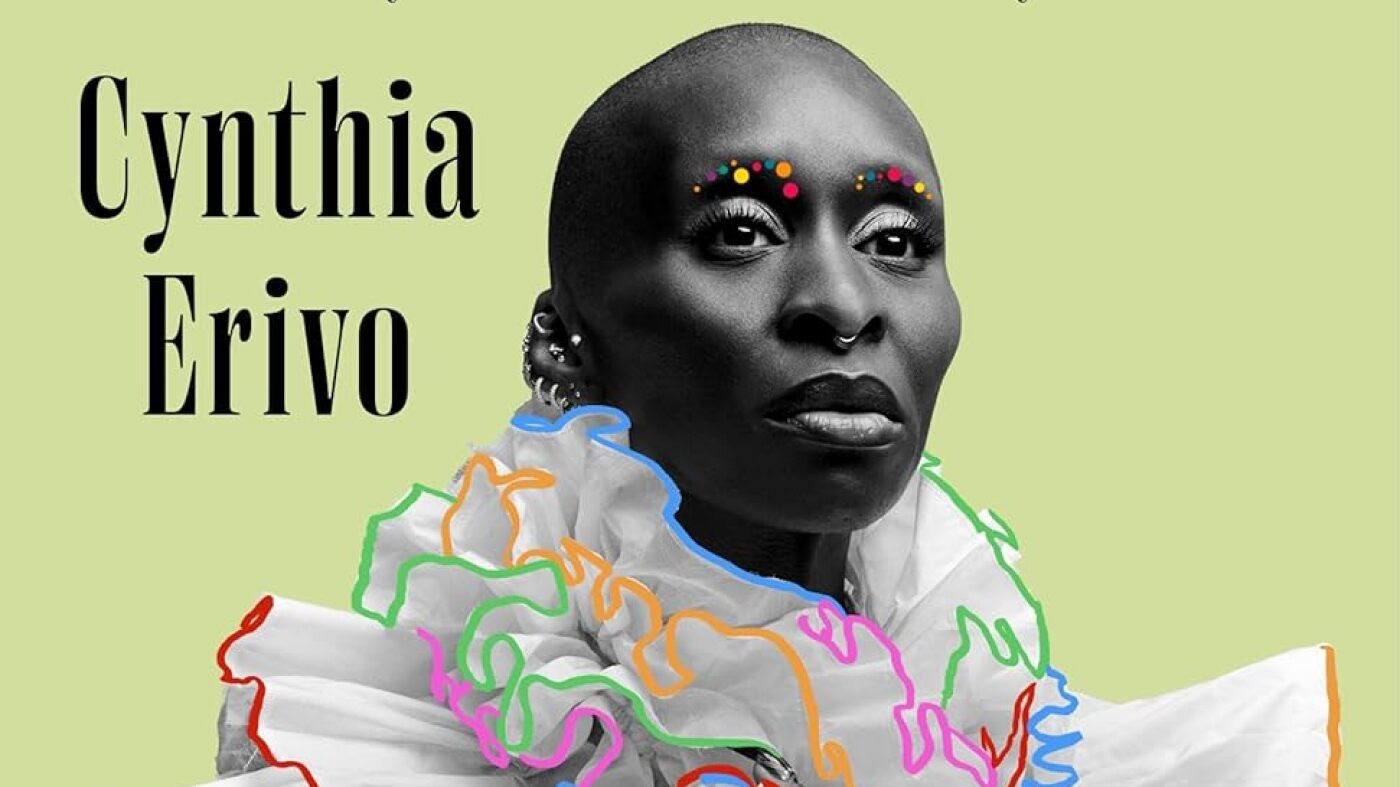
In the latest film, Wicked: For Good, the character Elphaba, played by Cynthia Erivo, undergoes a transformation where she embraces her own power and stops defending herself to a world that has misunderstood her. Erivo draws parallels between her own experiences as a child of Nigerian immigrants in London and the emotions portrayed in the movie.
Despite her powerful singing voice, Erivo felt like an outsider at the Royal Academy of Dramatic Art in London. She later gained recognition on Broadway for her role in The Color Purple, followed by an Oscar nomination for her portrayal of Harriet Tubman and playing Aretha Franklin in Genius Aretha.
In Wicked: For Good, Erivo reprises her role as Elphaba alongside Ariana Grande as Glinda in the final chapter of the Wicked story. The filming process for both Wicked movies presented challenges, with some scenes being shot out of sequence, requiring the actors to make assumptions about their characters' emotional states.
Erivo also shares her personal journey in her memoir, Simply More: A Book for Anyone who Has Been Told They're Too Much, detailing her upbringing in South London and her path to the stage. She discusses her physical training regimen for Wicked, incorporating swimming, singing, and running to maintain her vocal strength.
To get into character, Erivo uses perfume blends that reflect the essence of her characters. For Elphaba, she created a scent called Witchy Woo, combining deep florals like tuberose, rose, and lilies with a tobacco oud base. She also explains her decision to cut and eventually shave her hair as a way to eliminate distractions and allow her face to be a canvas for transformation.
Erivo reflects on a moment of regret when she allowed another actor to lip-sync to her voice backstage, a decision she now forgives herself for but remains protective of her voice. She also discusses her relationship with her father, expressing acceptance and a sense of apathy towards not having a relationship with him as an adult.
In conclusion, Cynthia Erivo's journey from feeling like an outsider to becoming a Tony Award-winning actress and Oscar-nominated performer reflects her resilience and determination to embrace her own power and authenticity. Through her roles on stage and screen, she continues to inspire audiences with her talent and personal growth.