Preserving Indigenous Knowledge: The Role of Tribal Colleges and Universities in Upholding Trust Responsibilities
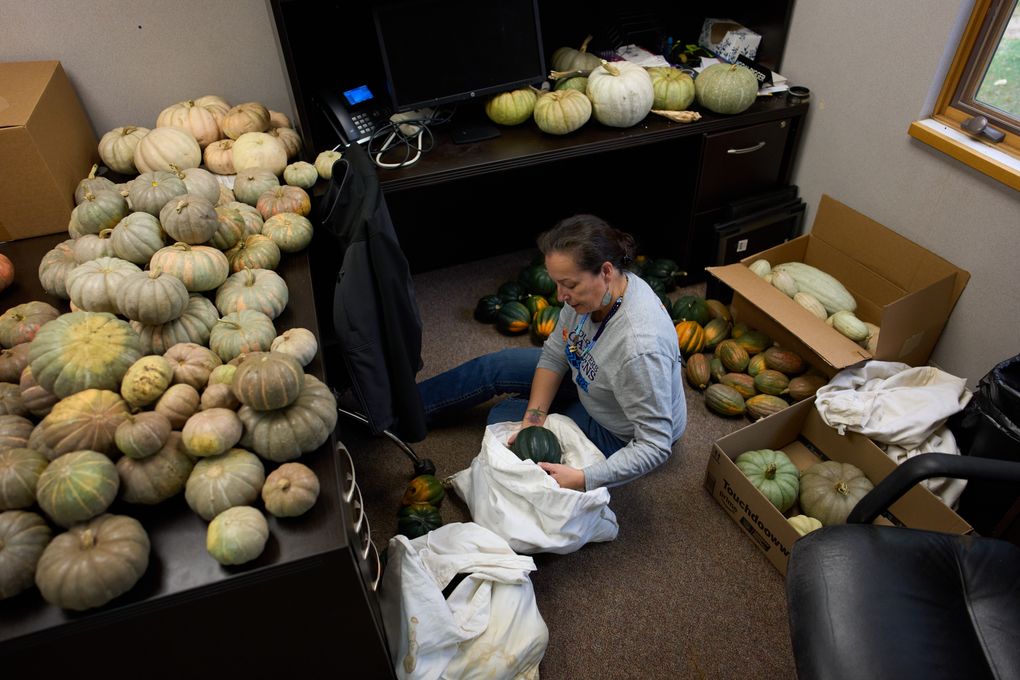
In a serene garden in New Town, North Dakota, Ruth De La Cruz searches for Hidatsa squash, a crop that holds deep cultural significance for her as a descendant of the Mandan Hidatsa Arikara Nation. The Four Sisters Garden, named after the traditional practice of growing squash, corn, sunflower, and beans together, is part of the Nueta Hidatsa Sahnish College's food sovereignty program. This program, like many tribal colleges and universities (TCUs) across the country, faces challenges due to proposed funding cuts by the Trump administration.
Tribal colleges and universities play a crucial role in preserving Indigenous knowledge and lifeways, which have been historically disrupted by the U.S. government. The federal government has legal and moral obligations, known as trust responsibilities, to uphold the health, education, and security of Indigenous peoples. Despite recent funding increases for TCUs, concerns remain about the government's commitment to supporting these institutions and passing on Indigenous knowledge to future generations.
The education pillar of trust responsibilities encompasses various forms of education, including elementary schools on reservations and Native history and language classes at TCUs. While TCUs recently received a funding increase from the U.S. Department of Education, other federal grants that support TCUs have seen decreases. This financial uncertainty poses challenges for TCU leaders in planning and sustaining educational programs.
TCUs, designated as land grant institutions in 1994, rely on federal funding from agencies like the U.S. Department of Agriculture. However, recent budget cuts and workforce reductions at federal departments have created additional challenges for TCUs. Tribal liaisons responsible for ensuring compliance with trust responsibilities have been laid off or furloughed, further complicating the funding landscape for TCUs.
Despite the economic contributions and cultural preservation efforts of TCUs, college presidents like Leander McDonald and Twyla Baker continue to advocate for sustained federal support. The value that TCUs bring to the national economy, as highlighted in a recent report, underscores the importance of upholding the government's responsibility to tribal nations. For TCU students like Zaysha Grinnell, the opportunity to learn traditional knowledge and languages directly from elders is a unique and invaluable experience that cannot be replicated elsewhere.
As TCUs navigate financial uncertainties and advocate for continued support, the legacy of trust responsibilities and the imperative to preserve Indigenous knowledge remain at the forefront of their mission. The commitment to sustaining cultural traditions and passing on ancestral wisdom to future generations is a fundamental aspect of the work being done at TCUs across the country.