Carl Palmer Reflects on Emerson, Lake and Palmer's Legacy: Innovation, Criticism, and Setting the Standard in Music
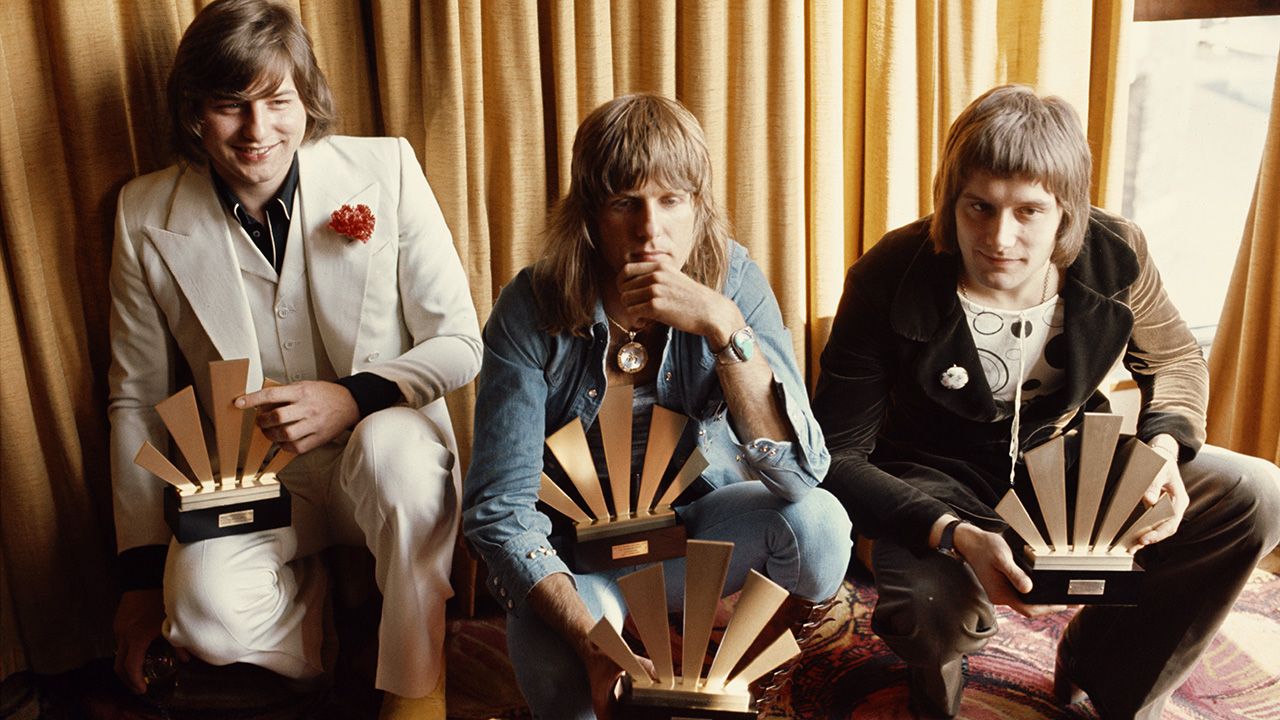
Carl Palmer, the only surviving member of Emerson, Lake and Palmer, reflects on the band's extravagant productions, heavy use of overdubs, and the constant criticism they faced. Despite the challenges, Palmer believes that ELP set a standard in the music industry. He discusses the band's embrace of technology and innovative ideas, comparing their approach to that of bands like Yes and Pink Floyd.
In 2020, Palmer was working on a live show based on 1992 footage featuring Keith Emerson and Greg Lake, as well as a sci-fi movie inspired by ELP's concepts. He also shared insights into his upcoming memoir, "Fanfare For The Common Man." Palmer emphasized the importance of preserving ELP's legacy and the impact the band had on him, even a decade after their final concert.
Palmer acknowledges that ELP's music was complex and sometimes criticized for being overproduced. He contrasts their approach to albums like "Topographic Oceans" by Yes and "The Wall" by Pink Floyd, highlighting ELP's unique blend of music and visuals. Despite facing backlash from journalists and other bands, Palmer believes that ELP's music has stood the test of time and that they created several enduring pieces of art throughout their career.
While Palmer admits that ELP made some missteps with albums like "In The Hot Seat" and "Love Beach," he is proud of the four or five albums that he feels still hold up today. He reflects on the band's ambitious productions, including elaborate stage setups and visual effects, which were ahead of their time. Despite the criticism they received, Palmer believes that ELP's music remains a testament to their creativity and innovation.