Woodstock: The Beatles' Absence and Nixon's Interference
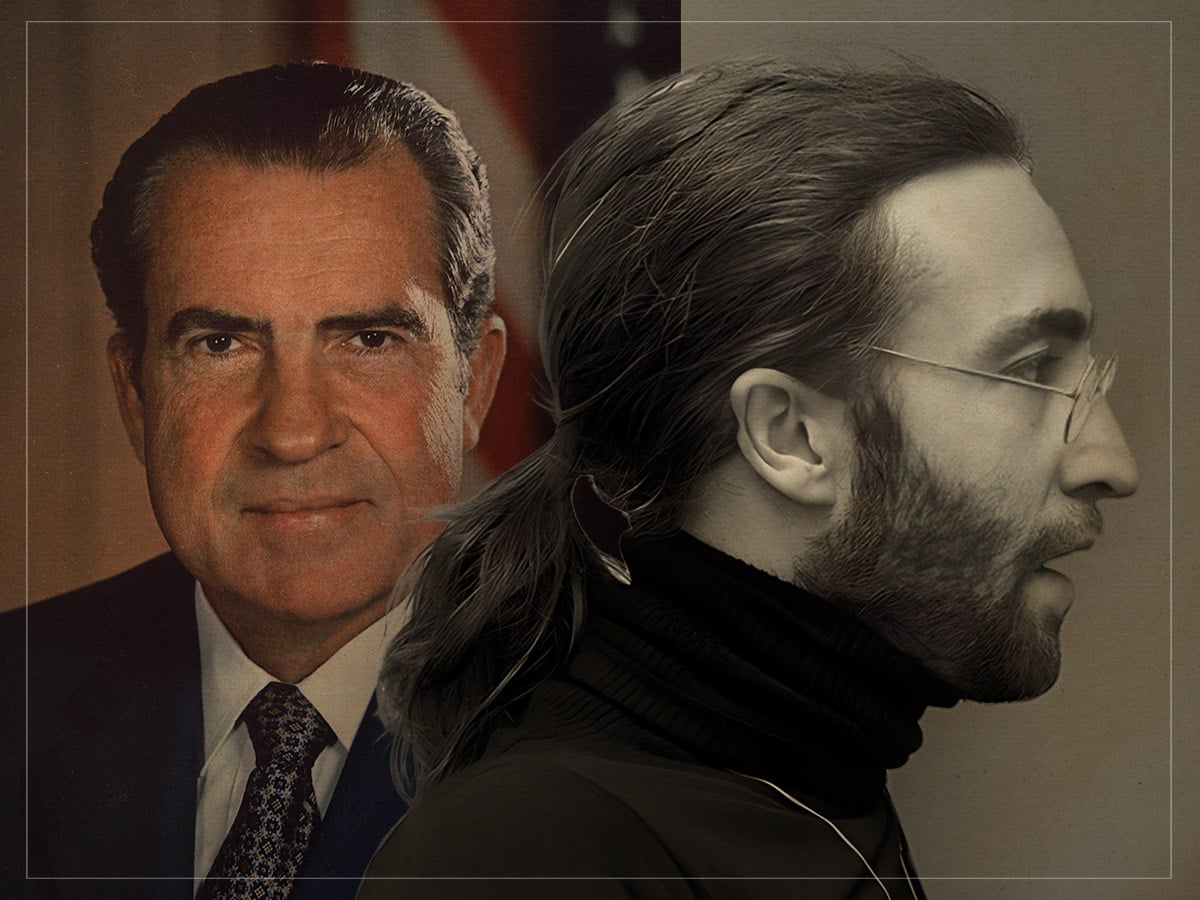
Woodstock, often hailed as the epitome of the hippie counterculture and a symbol of the 1960s era, featured a lineup that notably lacked any appearance by The Beatles. The absence of the iconic band can be attributed to various factors, including internal conflicts within the group and their aversion to live performances since 1966. Organiser Michael Lang's attempt to secure John Lennon for the festival was thwarted by political interference, particularly from President Richard Nixon, who had been monitoring Lennon due to his left-leaning views and anti-war activism.
Nixon's administration viewed Lennon with suspicion, considering him a threat due to his calls for peace and opposition to the Vietnam War. Despite Lennon's global fame and influence, Nixon sought to prevent him from entering the United States, fearing that his presence at Woodstock could impact his re-election campaign. However, in retrospect, the concerns about Lennon's political influence seem unfounded, as the festival already attracted a crowd sympathetic to anti-war sentiments.
Despite the absence of The Beatles and John Lennon, Woodstock remains a legendary event that brought together a diverse array of cultural influencers and musical pioneers. The festival showcased the spirit of the 1960s, characterized by grassroots activism and groundbreaking music, making it a defining moment in history.