First Case of H5N5 Avian Influenza in Grays Harbor County Resident: Precautions and Recommendations
A Grays Harbor County resident who was receiving treatment for H5N5 avian influenza has passed away. The Washington State Department of Health extends its condolences to the individual's loved ones. The deceased was an older adult with underlying health issues and had been hospitalized in King County since early November. The virus was identified as H5N5, marking the first known case of this variant in a person worldwide, confirmed by the CDC.
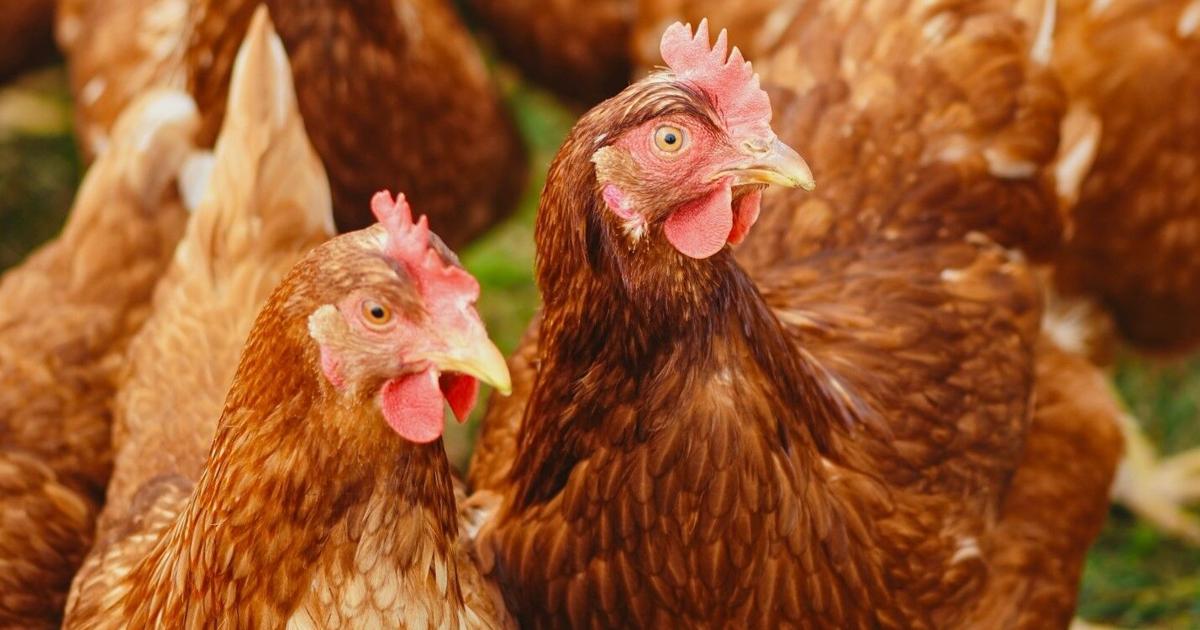
The risk to the general public is deemed low, as no other individuals have tested positive for avian influenza. Close contacts of the patient are being monitored for symptoms to prevent human-to-human transmission. The person had a backyard flock of mixed domestic birds, and testing revealed the presence of avian influenza virus in the flock's environment, suggesting exposure to the birds or wild birds as the likely source of infection.
Avian influenza is caused by influenza type A viruses found in wild aquatic birds globally. These viruses can infect various bird species and occasionally mammals, posing a threat to domestic birds like chickens and turkeys. While rare, avian influenza viruses can also infect humans, emphasizing the importance of precautions for those with backyard poultry and the need for a seasonal flu vaccine to reduce the risk of dual infection.
Individuals with backyard poultry should avoid contact with sick or dead birds and report any poultry illness to the Washington State Department of Agriculture. Veterinarians should report suspected cases of avian influenza in domestic animals to the WSDA, while avoiding contact with sick or dead wildlife and reporting such incidents to the Washington State Department of Fish & Wildlife. It is crucial to refrain from handling dead birds or wildlife and to avoid consuming raw or undercooked food products to minimize the risk of infection.
Getting a seasonal flu vaccine is highly recommended for those with potential exposure to domestic or wild birds, as it reduces the likelihood of contracting both human and avian influenza viruses simultaneously. While the seasonal flu vaccine does not prevent bird flu infection, it helps lower the chances of dual virus infection, which could potentially lead to the emergence of a more transmissible avian influenza strain. Vaccination is advised for individuals aged six months and older to safeguard against influenza viruses.