Exploring the Evolution of Science Fiction Cinema in the 1970s: From Blockbusters to Philosophical Narratives
The 1970s marked a significant period in the evolution of science fiction as a mainstream genre, with iconic films like "Close Encounters of the Third Kind" and "Star Wars" paving the way for blockbuster success. Prior to these hits, franchises like "Planet of the Apes" and Japanese films featuring Godzilla and Gamera were already making waves. The era also saw a surge in experimental and pessimistic sci-fi works, reflecting the cultural attitudes of the time. Despite the bleak outlook portrayed in films like "THX 1138" and "Logan's Run," the arrival of the optimistic "Star Wars" offered a refreshing antidote to the prevailing cynicism.
Among the standout sci-fi films of the 1970s, adaptations like "Slaughterhouse-Five" brought Kurt Vonnegut's whimsical and philosophical storytelling to the big screen. The narrative follows Billy Pilgrim, a character who becomes "unstuck" in time, experiencing events out of order. Director George Roy Hill skillfully captures Vonnegut's blend of tragedy and whimsy, creating a compelling exploration of fate and human existence.
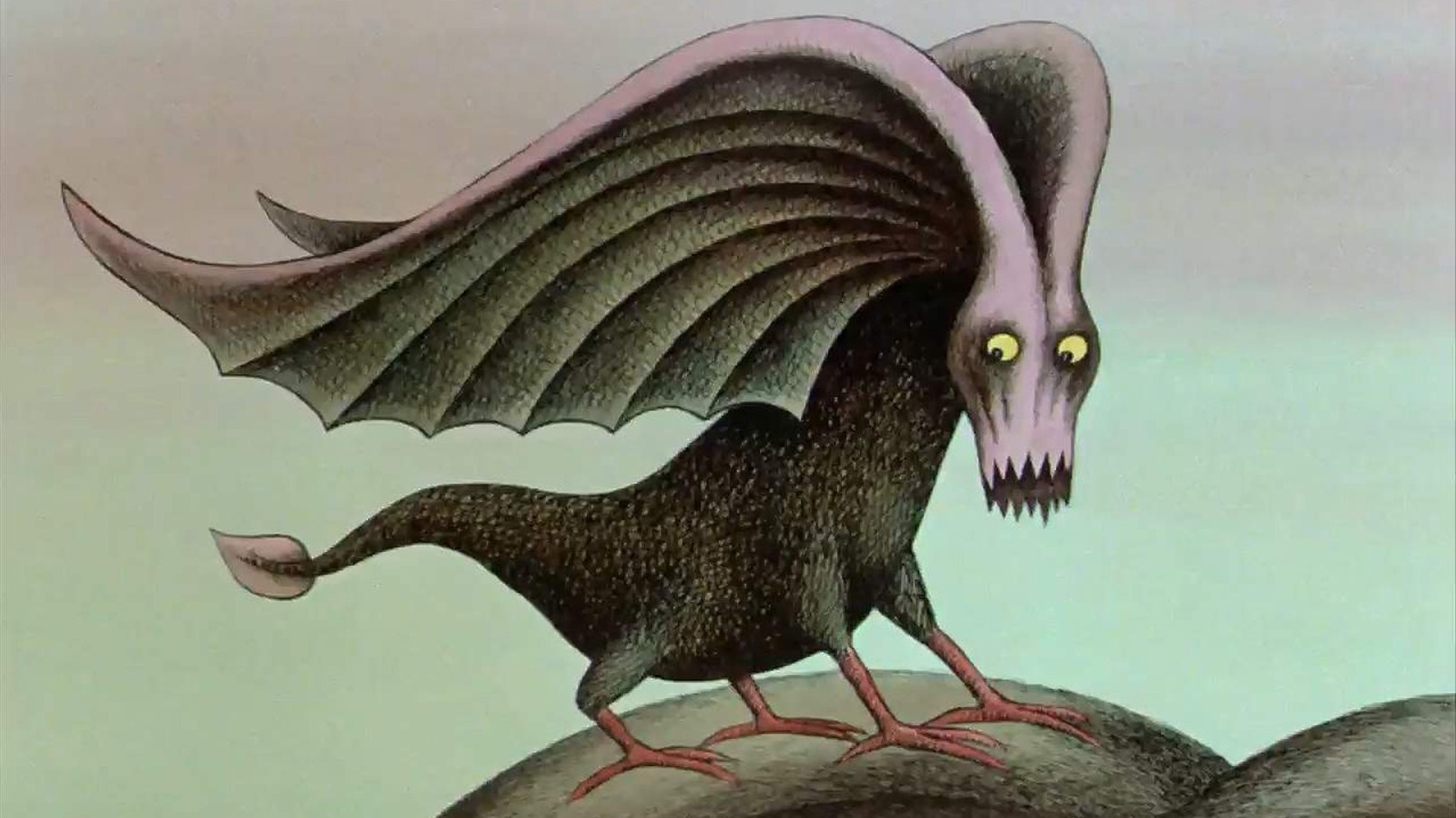
In the realm of science fiction, the genre's potential is limitless, allowing for imaginative explorations of space, time, and alternate realities. René Laloux's animated film "Fantastic Planet" offers a truly alien world on the planet Ygam, challenging viewers with its otherworldly visuals and thought-provoking narrative. The film delves into themes of enlightenment, societal norms, and the nature of humanity, presenting a unique and captivating sci-fi experience.
Nuclear fear and post-apocalyptic scenarios have long been staples of sci-fi storytelling, with films like "A Boy and His Dog" offering a darkly humorous take on a world ravaged by catastrophe. Set in a post-apocalyptic wasteland, the film follows Vic and his telepathic dog, Blood, on a journey filled with dark humor and bleak realities. Despite the grim setting, the film's satirical tone and unconventional storytelling make for an entertaining and thought-provoking viewing experience.
"Time After Time," directed by Nicholas Meyer, introduces a captivating premise involving author H.G. Wells and Jack the Ripper traveling through time. The film explores themes of fate, morality, and societal progress as Wells navigates the unfamiliar world of 1979 in pursuit of the notorious serial killer. With stellar performances from Malcolm McDowell and David Warner, "Time After Time" offers a compelling blend of science fiction, historical fiction, and moral reflection.
In conclusion, the 1970s were a transformative period for science fiction cinema, with a diverse range of films pushing the boundaries of storytelling and imagination. From philosophical explorations of time and fate to dystopian visions of the future, the decade produced a wealth of iconic sci-fi works that continue to captivate audiences today.