The Legacy of Mick Taylor and It's Only Rock 'n' Roll: A Turning Point for The Rolling Stones
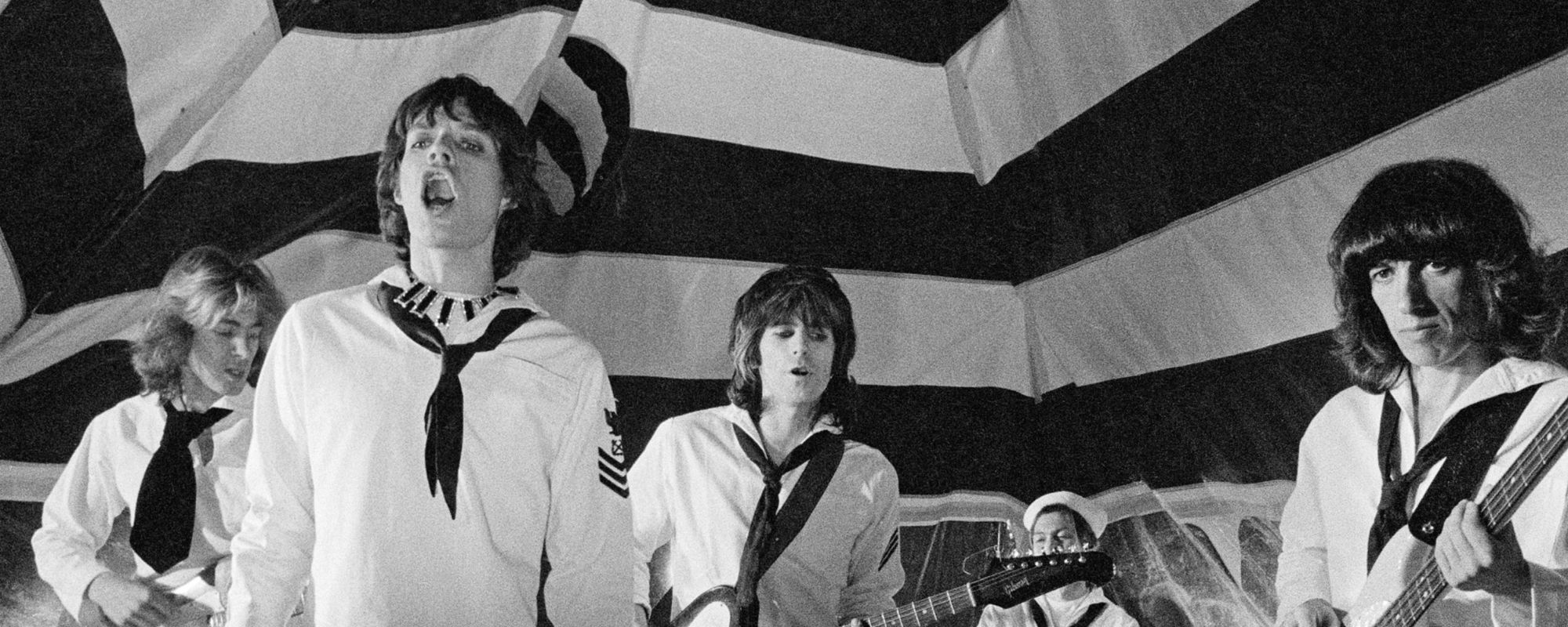
In 1969, The Rolling Stones welcomed 20-year-old guitarist Mick Taylor to the band following the departure of Brian Jones. Taylor's five-year tenure with the group saw him contribute to iconic albums like Sticky Fingers and Exile on Main Street. However, creative differences with Mick Jagger and Keith Richards led to Taylor's departure in 1974. The band's album It's Only Rock 'n' Roll, released that year, marked the end of an era as the last record to feature Brian Jones.
The title track of It's Only Rock 'n' Roll originated in the basement of Ronnie Wood, who would later join The Rolling Stones as Taylor's replacement. Wood's home became a hub for musicians like George Harrison, Eric Clapton, and David Bowie, where spontaneous jam sessions and creative collaborations flourished. The catchy phrase "It's only rock 'n' roll, but I like it," playfully coined by Jagger and Bowie during one of these sessions, became the anthem of the album.
It's Only Rock 'n' Roll soared to the top of the U.S. album charts, marking the fourth consecutive No.1 album for The Rolling Stones in the country. While it reached No. 2 in the UK, the album's impact was undeniable. Mick Taylor's departure from the band in 1975 was fueled by various reasons, including his dissatisfaction with the lack of credit for his contributions to songs like "Till the Next Goodbye" and "Time Waits For No One." Taylor expressed his frustration with Jagger over the songwriting credits, highlighting a rift in their once close working relationship.
Despite differing accounts of Taylor's involvement in the songwriting process, It's Only Rock 'n' Roll remains a pivotal album in The Rolling Stones' discography. The album's success solidified the band's status as rock legends and set the stage for their continued musical evolution.