The Lost Art of Musical Freedom: Robert Plant's Reflections on Bob Dylan's Desire
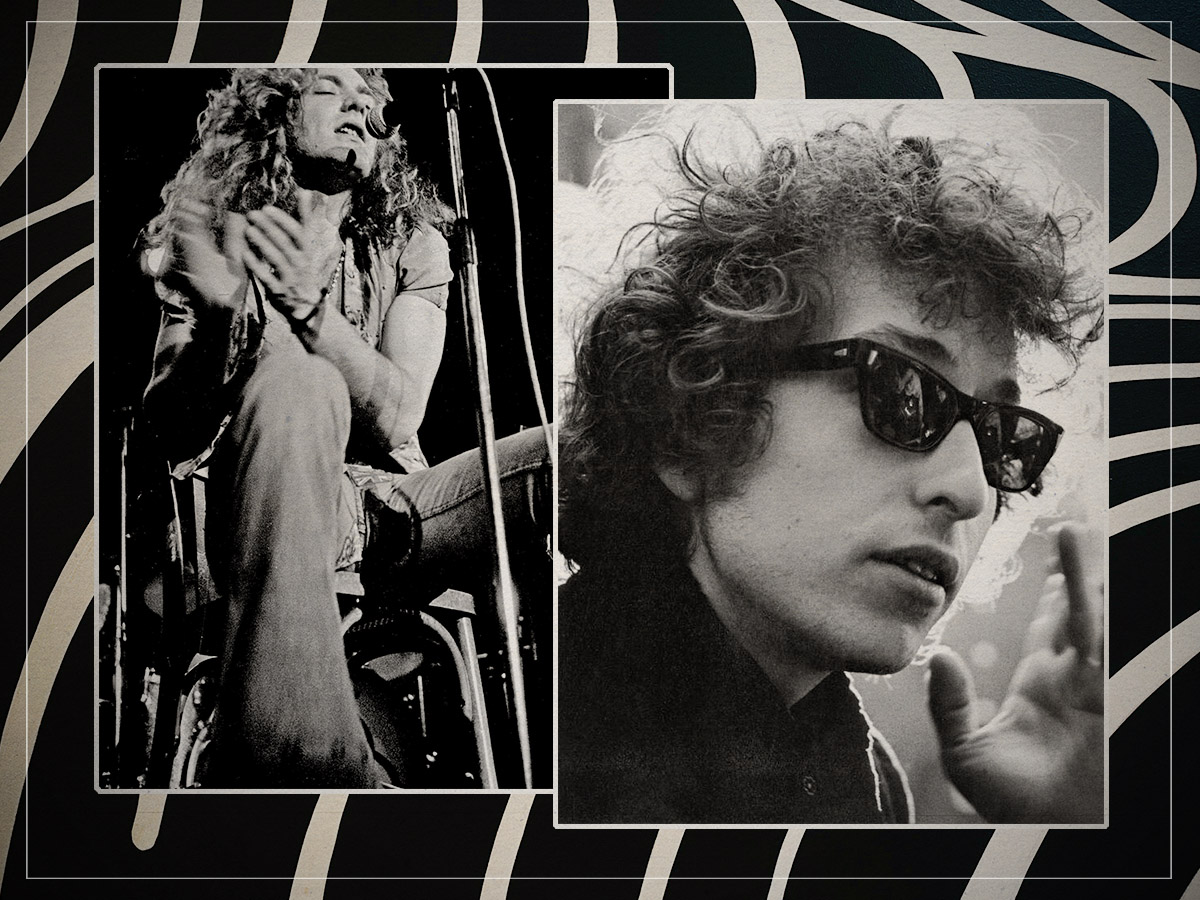
The 1960s and ‘70s are often regarded as the golden age of music, a time when artists like Robert Plant were fully immersed in the counterculture movement. Plant, before his Led Zeppelin days, experienced firsthand the evolution of iconic bands like The Beatles and The Rolling Stones, as well as witnessing Bob Dylan's transition to electric music. While Plant continues to appreciate modern artists like Low and Nathaniel Rateliff, he questions whether the music industry can ever return to the same level of creative freedom and experimentation.
Reflecting on Bob Dylan's 1976 album Desire, Plant admires the sense of abandon and freedom captured in the music. The album marked a pivotal moment in Dylan's career as he embarked on the Rolling Thunder Revue tour, reconnecting with live performances and exploring new musical influences. Plant sees Desire as a testament to Dylan's willingness to take risks and push boundaries in his artistry, something that he believes is lacking in today's more commercialized music industry.
Plant laments the current state of the music world, noting the shift towards a more structured and profit-driven approach that stifles the creativity and spontaneity of artists. He views Dylan as one of the last troubadours, embodying a spirit of artistic freedom and exploration that is increasingly rare in today's music landscape. Desire, in Plant's eyes, stands as a testament to the era of unrestricted creativity and risk-taking that may never be fully recaptured in the modern music industry.
In conclusion, Robert Plant's reflections on Bob Dylan's Desire highlight a bygone era of musical experimentation and artistic freedom that he believes is increasingly elusive in today's music industry. As a witness to the evolution of iconic artists and movements, Plant questions whether the creative spirit of the past can ever be reignited in a world driven by commercial interests and conformity.