The Miami Project: A Legacy of Determination and Innovation in Paralysis Research
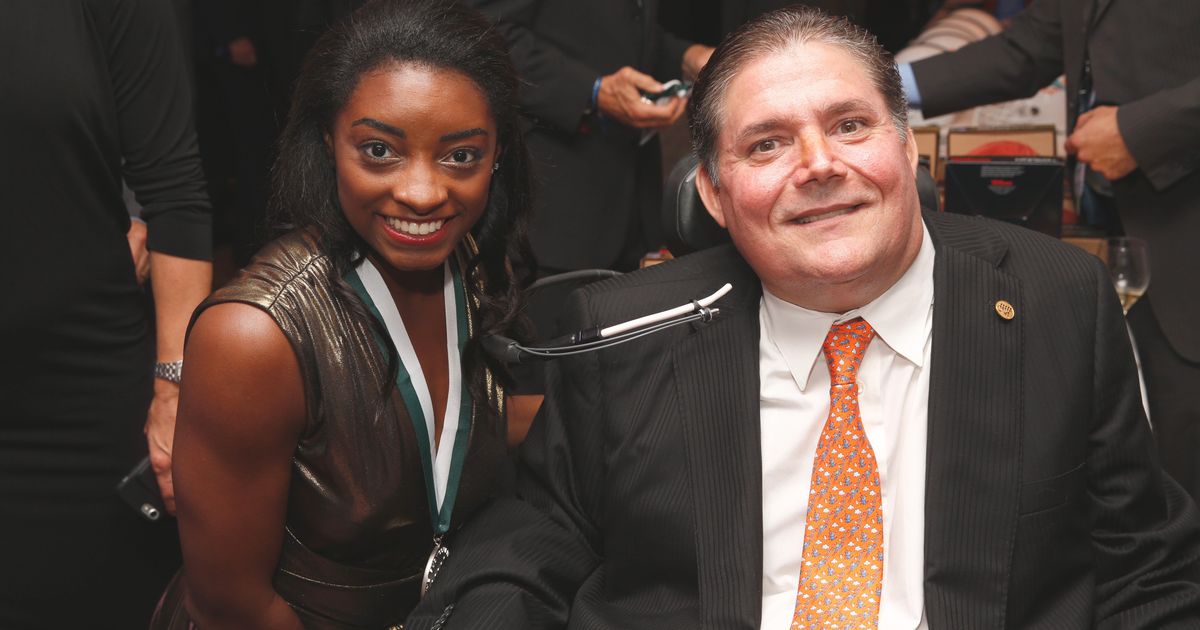
The Buoniconti family's relentless determination has been the driving force behind The Miami Project to Cure Paralysis, a nonprofit organization that has raised over $550 million for research and support for individuals with spinal cord and brain injuries. Despite being told that paralysis was an insurmountable problem, the Buonicontis refused to give up and have made significant strides in the field of neurological diseases and disorders.
The Miami Project, founded by Dr. Barth A. Green and Nick Buoniconti in 1985, has expanded its research to include Alzheimer's disease, Parkinson's disease, and even cutting-edge technologies like the brain-computer interface implant from Neuralink. The organization's work has led to groundbreaking developments in monitoring nervous systems during surgery and therapeutic hypothermia to protect the brain and spinal cord after injury.
By bringing together experts from various disciplines, The Miami Project has fostered unexpected advancements in the field of paralysis research. The organization's support for early trials and multidisciplinary approaches has paved the way for future breakthroughs and collaborations with government agencies like the National Institutes of Health.
The unwavering support from donors and advocates, including individuals like Mark Dalton, Jack Nicklaus, and Gloria Estefan, has been instrumental in furthering The Miami Project's mission. Marc Buoniconti's vision for the organization is to fully repair the nervous system, offering hope to millions of individuals affected by paralysis and other neurological conditions.
The dedication and commitment of the Buoniconti family and The Miami Project's supporters have been crucial in advancing research and improving the lives of those with spinal cord and brain injuries. Their relentless pursuit of a cure and their collaborative approach to tackling paralysis have set a precedent for philanthropic efforts in the field of neurological disorders.