Uncovering the Architectural Mystery of the Timken Museum: The Hidden Influence of Richard Kelly and Philip Johnson
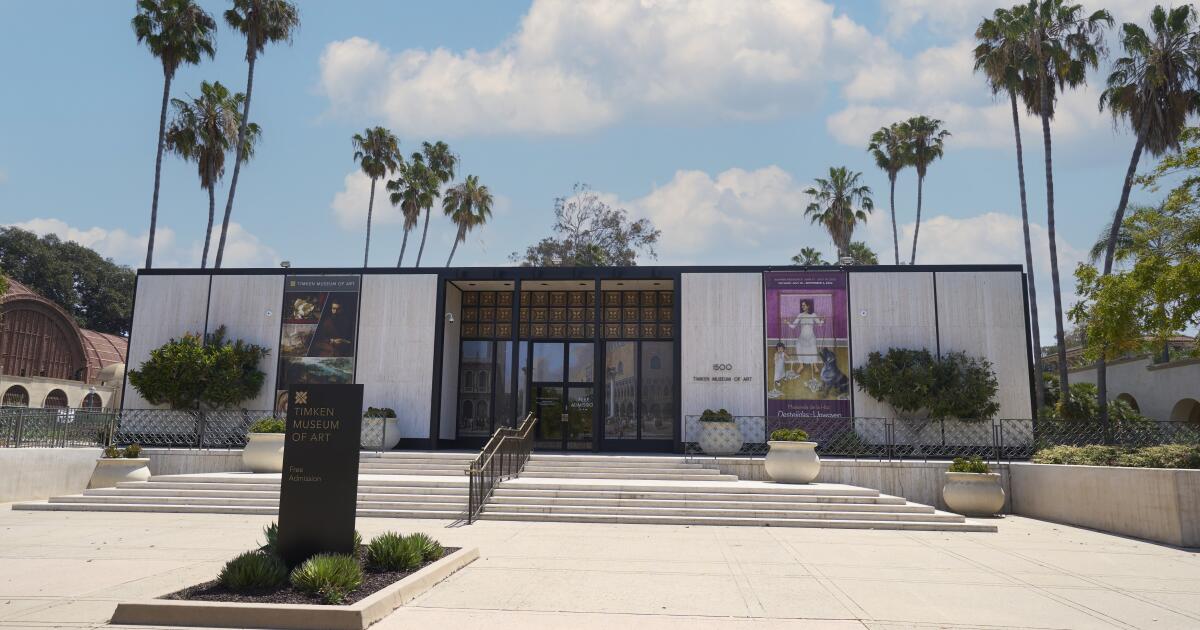
For over six decades, the Timken Museum of Art has been a prominent fixture in San Diego's Balboa Park, showcasing a collection of priceless Russian icons and masterpieces by renowned artists like Rembrandt, Rubens, and Fragonard. However, a recent investigation by local architecture enthusiasts Stephen Buck and Keith York has uncovered a hidden architectural mystery surrounding the museum's creation. The duo's research suggests that the true designers of the Timken may have been overlooked or intentionally obscured since its opening in 1965.
The investigation began with a revelation from architect Robert Mosher to York in 2013, where Mosher shared a story about lighting designer Richard Kelly's involvement in the Timken's design process. According to Mosher, Kelly, with the assistance of architect Philip Johnson, played a significant role in shaping the museum's architectural concept, which was later attributed solely to Frank L. Hope & Associates. Buck and York delved into Kelly's archives at Yale and the Timken's files, uncovering correspondence and design documents that supported Mosher's account.
The architectural features of the Timken, such as bronze accents, glass walls, and travertine stone, bear a striking resemblance to other Johnson/Kelly collaborations across the country. Kelly's innovative use of lighting to enhance the building's materials and create spatial depth further underscored his design influence. In contrast, Frank Hope's previous works lacked the distinctive elements found in the Timken, reinforcing the possibility of Kelly and Johnson's uncredited involvement.
When Buck and York presented their findings to the Timken's leadership, initial enthusiasm gave way to cautious consideration. While the museum acknowledged the research, they stopped short of confirming Kelly's connection to the design, citing existing attributions to John Mock of Frank L. Hope & Associates. The museum's upcoming expansion plans and the potential impact of revisiting the Timken's authorship further complicated the situation, prompting a measured response from the institution.
The Timken's handling of the investigation echoes the historical context in which the museum was built, where local political pressures and public perceptions influenced the attribution of credit for the design. As the museum navigates its expansion and grapples with the implications of revisiting its architectural history, the unresolved question of Kelly and Johnson's involvement continues to intrigue and challenge the established narrative. Further scholarly investigation may shed light on the true authorship of the Timken Museum of Art, potentially reshaping its legacy in the architectural landscape of California.