Political Turmoil Erupts in Guinea-Bissau: Gunfire Outside Presidential Palace Amid Election Dispute
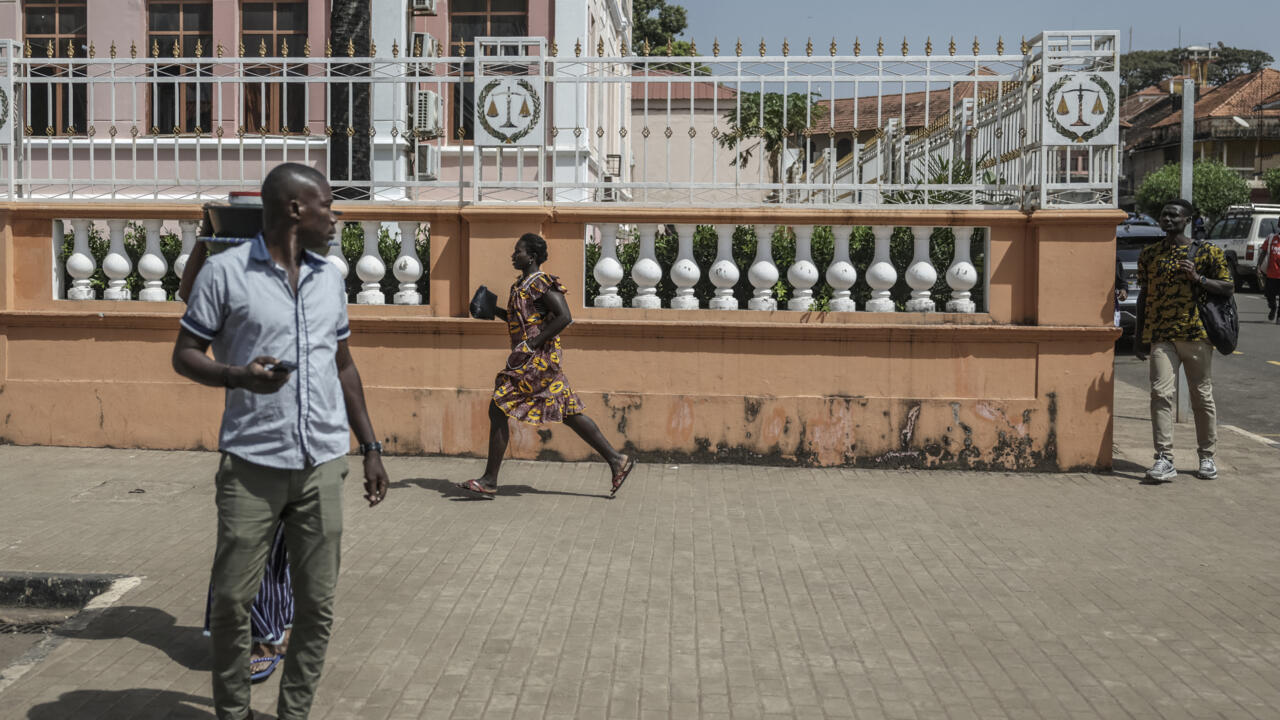
Gunfire erupted outside Guinea-Bissau's presidential palace shortly after the recent presidential and legislative elections, with both leading candidates asserting their victory. Chaos ensued as shots were fired, causing people and vehicles to flee the area. Official provisional vote results are anticipated on Thursday in the turbulent West African nation, which has a history of coups and attempted coups since gaining independence. Incumbent President Umaro Sissoco Embalo and opposition candidate Fernando Dias have both claimed to have won the election.
The situation escalated unexpectedly as gunfire broke out near the presidential palace, prompting panic among residents and passersby. The country, known for its political instability, has been on edge following the closely contested elections. The exclusion of the main opposition party PAIGC and its candidate Domingos Simoes Pereira from the ballot added to the tension. The Supreme Court's decision to remove Pereira and PAIGC from the list of candidates due to late filing of applications further fueled the political rivalry between Embalo and Pereira.
The political landscape in Guinea-Bissau remains volatile as the two main contenders, Embalo and Pereira, continue to vie for power. The aftermath of the 2019 presidential election, marred by a prolonged post-election crisis, underscores the deep-rooted political divisions in the country. Despite initial praise for the peaceful conduct of the recent vote by the head of the ECOWAS observation mission, the sudden outbreak of violence has cast a shadow over the electoral process. Guinea-Bissau's status as one of the world's poorest nations, coupled with its role as a key transit point for drug trafficking, adds to the complexity of its political challenges.
In conclusion, the recent gunfire outside Guinea-Bissau's presidential palace highlights the ongoing political tensions in the country following the disputed elections. With both major candidates claiming victory and official results pending, the situation remains uncertain. The history of coups and political instability in Guinea-Bissau underscores the fragility of its democratic process, raising concerns about the country's future stability and governance.