Revisiting the Beatles Controversy: A Closer Look at Church Leaders' Perspectives
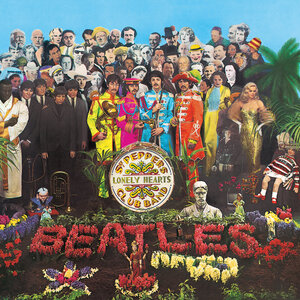
A recent discussion arose regarding the Church of Jesus Christ of Latter-day Saints and their supposed disdain for the Beatles. This conversation was sparked by a critic who claimed that members of the Church should condemn the Beatles. President Thomas S. Monson was cited for his criticism of the Beatles' song "All You Need Is Love." However, upon closer examination, it was revealed that President Monson's remarks were actually a quote from Rabbi Jonathan Sacks, a highly respected figure in the Jewish community.
Jonathan Sacks, a distinguished scholar and former chief rabbi, was known for his insightful commentary on moral values. His perspective on the importance of love, along with other virtues like self-discipline and honesty, was highlighted in President Monson's address. While some critics may assume that Church leaders are narrow-minded, Rabbi Sacks' views suggest otherwise.
Another notable figure, Elder David B. Haight, expressed concerns about the negative influence of the Beatles, particularly during the 1960s youth rebellion. His remarks at a women's meeting in 1981 underscored the potential moral implications of the Beatles' cultural impact. While not everyone may agree with Elder Haight's assessment, his perspective raises important questions about the role of popular culture in shaping societal values.
Critics of the Church have pointed to statements by President Monson and Elder Haight as evidence of the Church's supposed condemnation of the Beatles. They argue that as prophets, Church leaders' words should be treated as divine revelation. However, it is essential to recognize that not every statement by Church leaders is considered binding scripture. While their words carry weight, they are not infallible and should be viewed in context.
As members of the Church, it is crucial to approach cultural influences with discernment and critical thinking. While some aspects of popular culture may conflict with Latter-day Saint values, not all forms of media are inherently harmful. By engaging thoughtfully with the media we consume, we can uphold our moral standards while appreciating the positive contributions of art and music. The discussions surrounding the Beatles and their impact serve as a reminder to evaluate cultural influences with a discerning eye.