Exploring Slash's Musical Evolution: The Story of Slash's Snakepit
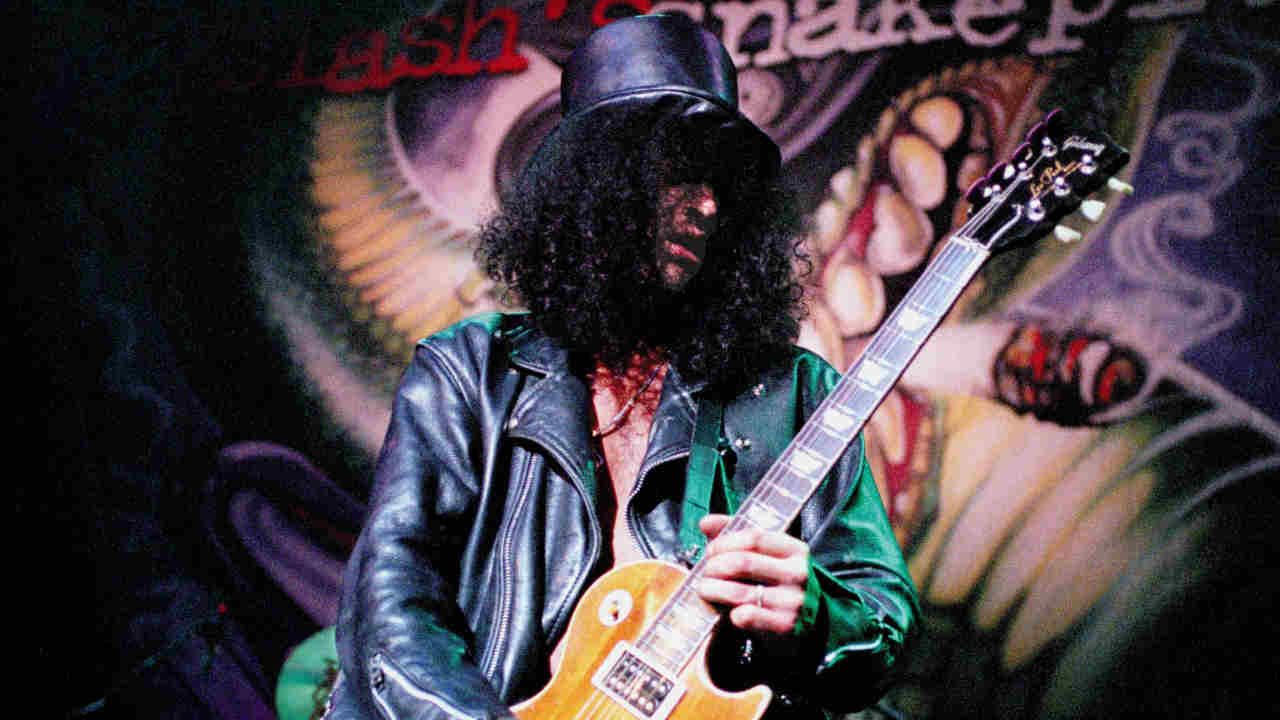
Slash's Snakepit was formed by the iconic guitarist Slash as his first extra-curricular band before Velvet Revolver. The band came together in 1994 when Slash started jamming with Guns N' Roses drummer Matt Sorum on basic songs that would later become the basis for their debut album, "It's Five O'Clock Somewhere." Initially, Slash saw the project as a way to pass the time before Guns N' Roses resumed activity.
The band's lineup included GN'R rhythm guitarist Gilby Clarke, Alice In Chains' bassist Mike Inez, and vocalist Eric Dover. Despite Slash's preference for the name "Snakepit," the label insisted on adding his name for marketing purposes. Released in 1995, the album showcased bright, powerful rock tracks that highlighted Slash's musical style and creativity.
Following the album's release, Slash's Snakepit gained its own audience separate from Guns N' Roses fans. Despite plans for a major tour, the band's activities were cut short due to label priorities shifting back to Guns N' Roses. In 1996, Slash decided to focus on Snakepit as a standalone project, leading to a revamped lineup and a more focused approach to their music.
The band's second album, "Ain't Life Grand," released in 2000, showcased a sharper sound and dynamic performance. With a new label backing them, Slash's Snakepit embarked on a tour, including opening for AC/DC and playing intimate club shows. However, the band's journey was cut short when Slash faced health issues and decided to disband the group.
Despite its brief existence, Slash's Snakepit was a significant chapter in Slash's musical evolution. It allowed him to explore his abilities as a musician and leader outside the confines of Guns N' Roses. The band's two albums served as a bridge between his time with GN'R and his future endeavors with Velvet Revolver, showcasing his growth and confidence as an artist.
Slash's Snakepit may have been seen as a transitional phase, but it played a crucial role in shaping Slash's musical identity and paving the way for his future projects. The band's legacy lives on as a testament to Slash's growth and creative exploration beyond his iconic role in Guns N' Roses.