Neil Young vs. John Lennon: The Debate on Burning Out vs. Fading Away in Rock 'n' Roll
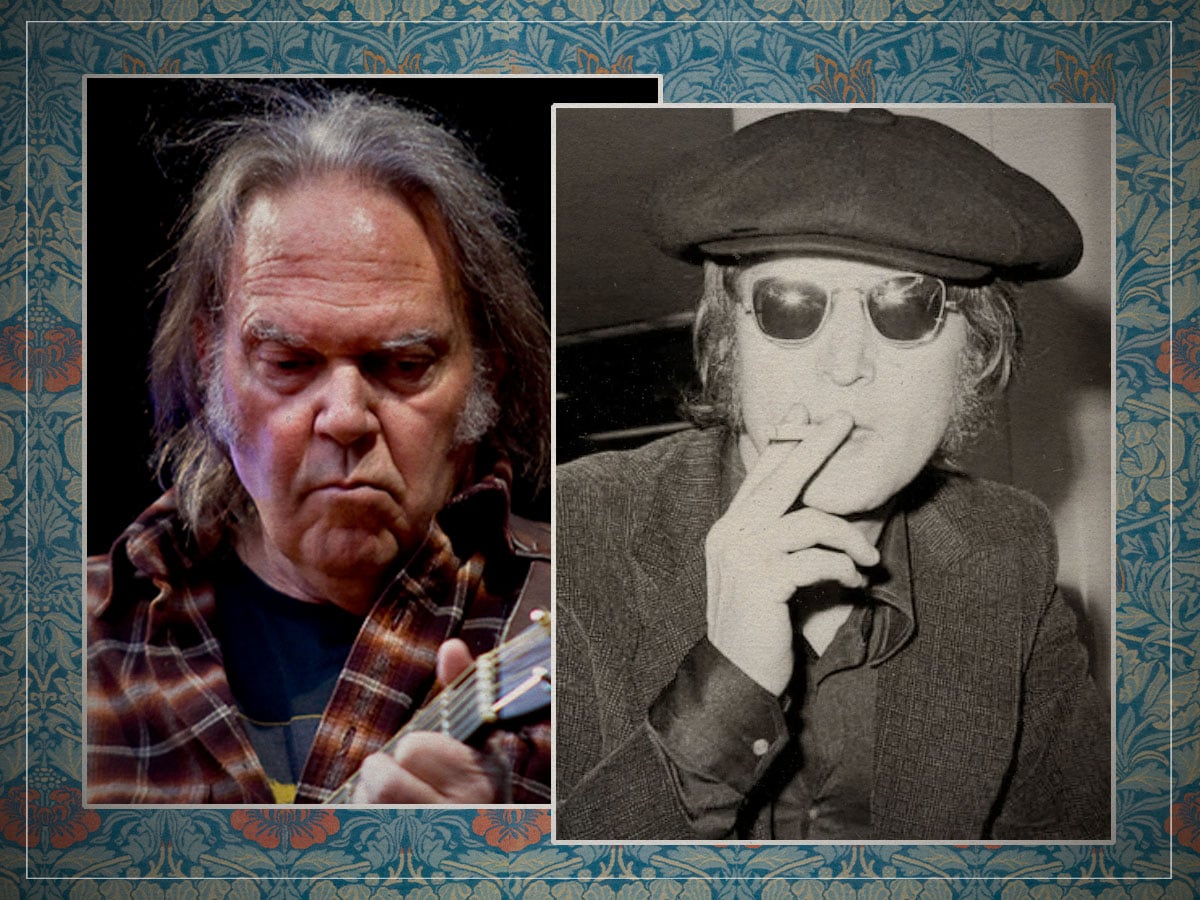
Neil Young's musical journey began in his mid-teens with The Squires in Winnipeg, where he tried to emulate popular bands of the time. However, the arrival of Bob Dylan and The Beatles changed the landscape of popular culture, inspiring Young to pursue a more introspective and artistic path. Despite initial skepticism, both Dylan and The Beatles eventually became admirers of Young's work, although not everything he produced pleased them.
One particular lyric from Young's song 'My My, Hey Hey' caught the attention of John Lennon, who interpreted it as a glorification of self-destruction, especially in the context of recent punk casualties like Sid Vicious. Lennon expressed his disapproval of the sentiment, advocating for a more enduring legacy rather than burning out in a blaze of glory. He criticized the idolization of those who met tragic ends, emphasizing the importance of survival and health.
Young defended his lyric as embodying the spirit of rock 'n' roll, where burning out brightly is preferable to fading away into obscurity. He saw it as a creative principle rather than a lesson for life, focusing on the immediacy and intensity of the present moment in rock 'n' roll. Despite the differing interpretations, the controversy surrounding the lyric took on a poignant significance when Kurt Cobain referenced it before his tragic death.
The debate between burning out and fading away continues to resonate in the realm of music and pop culture, with Neil Young's perspective on the essence of rock 'n' roll spirit standing in contrast to John Lennon's cautionary stance. The legacy of these discussions extends beyond the lyrics themselves, touching on themes of creativity, survival, and the enduring impact of artists on their audiences.