Revolutionizing Imaging: Philips Verida - The World's First Detector-Based Spectral CT Powered by AI
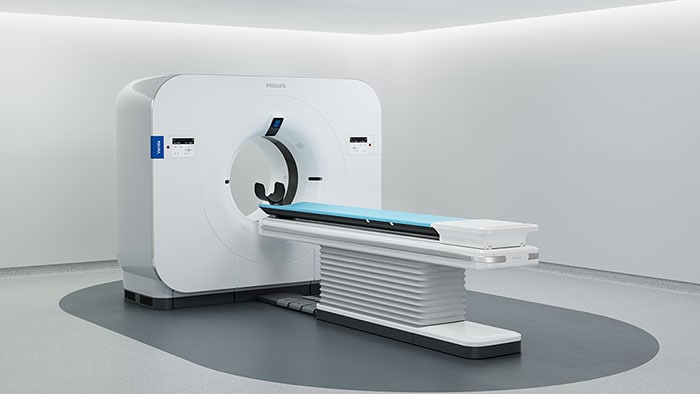
Royal Philips has introduced Verida, the world's first detector-based spectral CT powered by AI, at RSNA 2025. This innovative technology optimizes the imaging chain by reducing system noise, enhancing image quality, and speeding up clinical workflow. With over 800 global installations and supported by numerous peer-reviewed publications, Philips' spectral CT offers PACS-native delivery and seamless integration into clinical workflow. By measuring how tissues absorb different x-ray energy levels, spectral CT enables the differentiation of materials that appear similar on conventional CT scans. Philips' detector-based spectral CT delivers multiple spectral results from a single scan without compromising performance or scan time.
By integrating AI throughout the imaging chain, Philips Verida produces superior spectral image quality with minimal noise and high-definition conventional images. This advanced technology allows for significant dose reduction without sacrificing image quality and reduces energy consumption by up to 45%. Clinicians, like Prof. Eliseo Vañó Galván, recognize the clinical benefits of Verida, which can revolutionize cardiac imaging and provide comprehensive insights for all patients. Verida reconstructs 145 images per second, enabling entire exams to appear in less than 30 seconds, twice as fast as before, and supporting up to 270 exams daily.
Philips' Verida CT system combines spectral CT technology with AI to deliver superior image quality and accelerated scans embedded in the radiology workflow. This technology aims to help clinicians detect and characterize diseases earlier, reduce variability in diagnoses, and support efficient treatment pathways in a single scan. Verida extends Philips' software-defined CT approach, enhancing both clinical and operational outcomes by streamlining workflows, reducing repeat scans, and delivering sharp imaging across all care pathways. The debut of Verida at RSNA 2025 marks the beginning of its availability in select markets starting in 2026.