Title: "Challenging Far-Right Extremism: Protests Against Nationalist Sentiments in Croatia
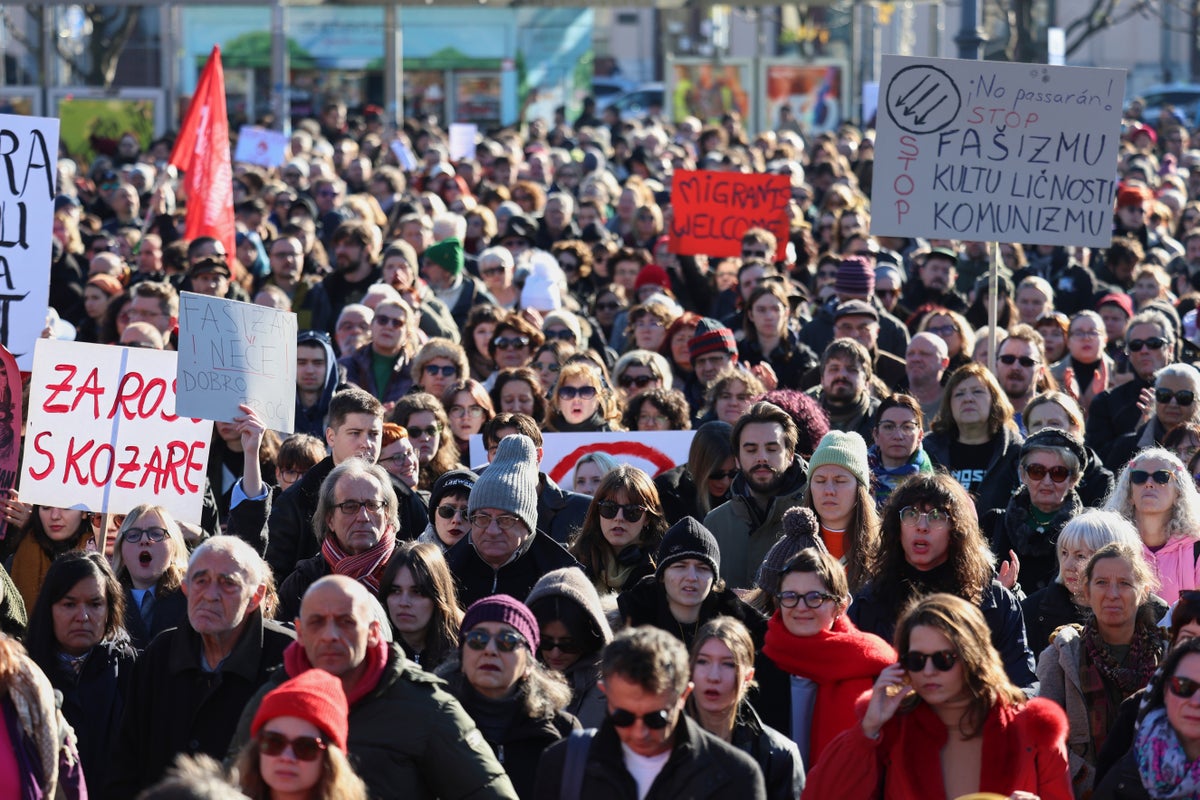
Protest marches took place in Croatia to oppose the rise of far-right groups, with participants in major cities like Zagreb chanting against fascism and calling for action against right-wing extremism. The gatherings aimed to address the use of pro-fascist symbols by hard right groups, which has sparked ethnic and political tensions in the country. Journalists and activists at the rallies emphasized the importance of standing up for a democratic society and pushing back against the spread of fear and intolerance.
Incidents of extremism targeting ethnic Serb cultural events and liberal groups have raised concerns about the resurgence of nationalist sentiments in Croatia. Young men displaying pro-fascist symbols and slogans have clashed with police at various events, prompting calls for authorities to crack down on such behavior. The use of Nazi-era salutes and symbols by extremist groups has further fueled the debate over the country's political direction and the need to address rising far-right sentiments.
The shift towards the right in Croatian politics has been evident since the conservative government formed a coalition with a far-right party after the last parliamentary election. This alliance has led to increased visibility and influence of right-wing ideologies, culminating in controversial events like a mass concert featuring a singer known for using World War II slogans in his songs. The government has faced criticism for its handling of far-right extremism, with accusations of downplaying the issue and exacerbating societal divisions.
Croatia's history of ethnic conflicts, particularly during the breakup of Yugoslavia in the 1990s, has left lasting scars on the country's social fabric. The recent resurgence of nationalist rhetoric and actions has reignited debates about Croatia's political identity and the need to confront the legacy of past conflicts. As a member of the EU and NATO, Croatia faces the challenge of balancing its national identity with the values of democracy and tolerance promoted by these international organizations.
In conclusion, the protests against far-right extremism in Croatia reflect a broader concern about the rise of nationalist sentiments and intolerance in the country. The events highlight the need for a concerted effort to address the root causes of extremism and promote a more inclusive and democratic society. By standing up against fascism and advocating for tolerance and diversity, the protesters are sending a powerful message about the importance of upholding democratic values in the face of rising extremism.