Tragic Shooting Near White House: The Case of Rahmanullah Lakanwal and the Challenges Faced by Refugees
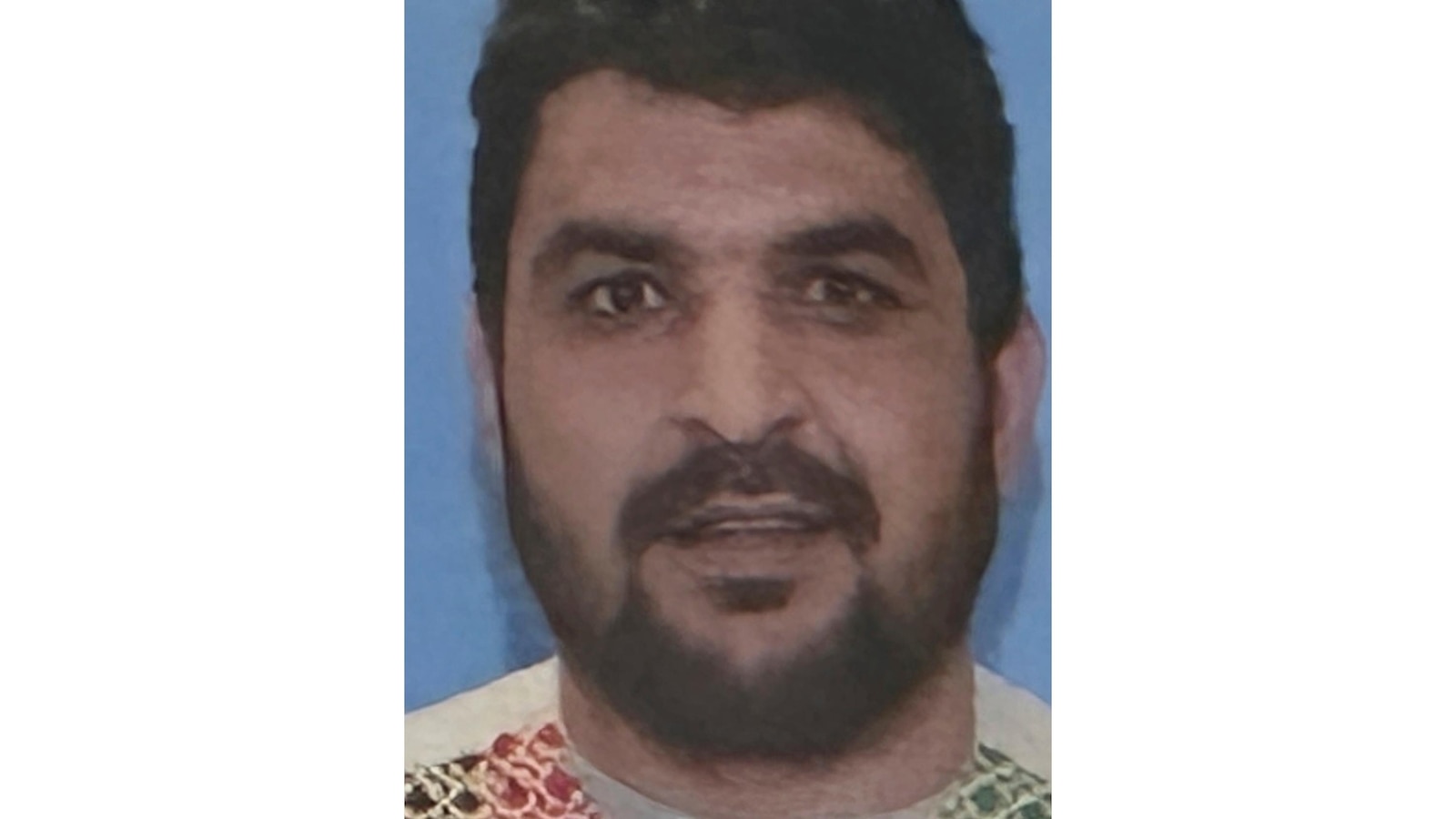
The man accused of shooting two National Guard members near the White House had been struggling for years, showing signs of instability and isolation. Concerns were raised about his behavior, prompting outreach to a refugee organization for help. Despite these warnings, the community was shocked to learn of his involvement in the attack. The victims, Specialist Sarah Beckstrom and Staff Sgt. Andrew Wolfe, were critically wounded, with Beckstrom tragically passing away. The motive for the attack is still under investigation.
Rahmanullah Lakanwal, a former member of a special Afghan Army unit, arrived in the U.S. in 2021 through Operation Allies Welcome. He resettled in Washington state with his wife and five young sons but faced challenges in adapting to his new life. Emails shared with a refugee organization detailed his struggles with employment, English courses, and periods of isolation and reckless travel. Concerns were raised about his well-being, with worries about potential self-harm.
Lakanwal's behavior fluctuated between dark isolation and manic episodes, where he would embark on cross-country drives without warning. Despite efforts from the community member and the U.S. Committee for Refugees and Immigrants to intervene, Lakanwal's situation did not improve. His erratic behavior culminated in the tragic attack near the White House, leading to his arrest and first-degree murder charges.
The case of Rahmanullah Lakanwal underscores the challenges faced by some refugees in adapting to life in a new country. The warning signs were present, but the tragic outcome highlights the need for better support systems and mental health resources for individuals struggling with assimilation and mental health issues.