Grateful Dead: A Journey Through Psychedelia and Authenticity
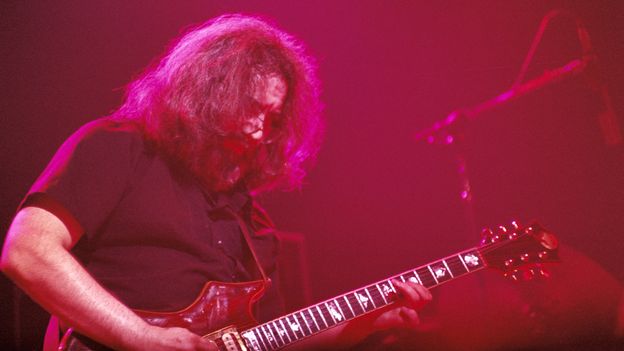
The Grateful Dead, a band that emerged in the 1960s West Coast psychedelic scene, maintained their unique sound and ethos despite the changing music landscape. Led by Jerry Garcia, the band's improvisational guitar jams and communal celebrations resonated with a dedicated following known as Deadheads. Their refusal of corporate sponsorship and emphasis on live performances over record sales set them apart from mainstream acts.
The band's journey from playing in San Francisco's Victorian ballrooms to becoming one of the world's highest-paid entertainers in the early 1990s was a testament to their enduring appeal. Their iconic hit "Touch of Grey" and ever-changing setlists kept fans engaged, while their commitment to authenticity and non-commercialism endeared them to a loyal fan base.
The Grateful Dead's roots in the countercultural movement of the 1960s, particularly in Haight-Ashbury, San Francisco, shaped their identity. Jerry Garcia's reflections on the band's early days and the challenges they faced due to societal norms highlighted their rebellious spirit and commitment to their craft. Despite the band's unconventional beginnings and association with LSD culture, their music transcended boundaries and resonated with audiences across generations.
The band's evolution over the years, marked by their dedication to musical exploration and connection with their audience, solidified their place in music history. Jerry Garcia's belief in the power of music to communicate and the band's collaborative approach to playing reflected their enduring legacy. The Grateful Dead's influence on music and culture continues to be felt, making them a timeless symbol of artistic integrity and creative freedom.