Struggling with Mental Health: The Tragic Case of Rahmanullah Lakanwal
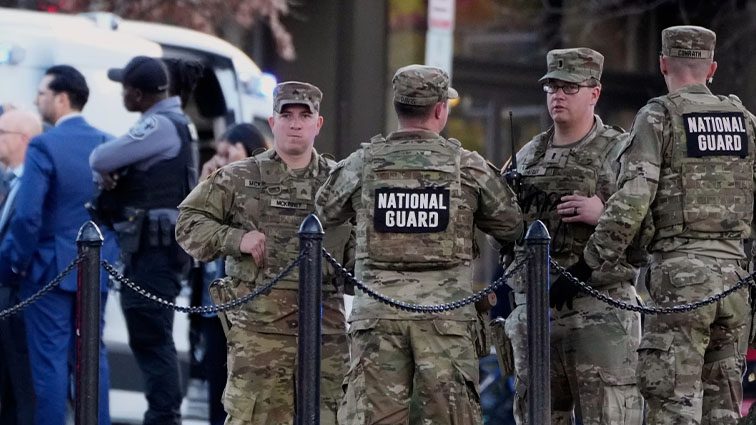
An Afghan man, Rahmanullah Lakanwal, who was accused of shooting two National Guard members near the White House, had been struggling with his mental health and stability for years. Concerns about his well-being were raised by a community advocate who reached out to a refugee organization for help, fearing that Lakanwal was becoming suicidal. The emails obtained by The Associated Press shed light on his deteriorating behavior and the mounting warnings about his erratic conduct before the tragic attack in Washington, D.C.
Despite the warnings and concerns raised about Lakanwal's mental state, the community member who had interacted with Afghan families in Washington state was shocked to learn that he was the suspect in the shooting. Lakanwal's behavior had raised alarms long before the attack, but the violence he committed seemed incongruent with the image of him playing with his young sons. The tragic incident resulted in the death of Specialist Sarah Beckstrom and critical injuries to Staff Sgt. Andrew Wolfe, with Lakanwal facing first-degree murder charges.
Lakanwal, who had worked in a special Afghan Army unit known as a Zero Unit, entered the United States in 2021 through Operation Allies Welcome. The program aimed to evacuate and resettle Afghan allies who had worked alongside U.S. troops and diplomats. As authorities investigate the motive behind the attack, Homeland Security Secretary Kristi Noem suggested that Lakanwal may have been radicalized during his time in the U.S., possibly through connections in his home community and state.
Resettling in Bellingham, Washington, with his wife and five young sons, Lakanwal struggled to adapt to his new life. He faced challenges in holding a job, attending English courses, and maintaining stability within his family. Reports indicated that he experienced periods of isolation and impulsive travel, leading to concerns about his well-being and ability to care for his children. Despite efforts from the community member and the U.S. Committee for Refugees and Immigrants to provide support, Lakanwal's mental health continued to deteriorate.
The emails shared details of Lakanwal's struggles, including his inability to function as a father and provider, his erratic behavior, and his periods of isolation. His family faced eviction due to unpaid rent, and concerns were raised about the well-being of his children when left alone with him. While Lakanwal occasionally made efforts to engage with social services and improve his situation, these attempts were often short-lived, followed by episodes of reckless behavior and impulsive travel across the country.
In response to the concerns raised in the emails, the U.S. Committee for Refugees and Immigrants visited Bellingham to offer assistance to Lakanwal and his family. However, it was reported that Lakanwal may have refused their help, leaving the community member with the impression that he was not receptive to support. The tragic events surrounding Lakanwal's actions highlight the importance of mental health awareness and support for individuals struggling with their well-being.
In conclusion, the case of Rahmanullah Lakanwal underscores the challenges faced by individuals adjusting to life in a new country and the critical need for mental health resources and support systems. The tragic outcome of his struggles serves as a reminder of the importance of early intervention and community assistance in addressing mental health issues before they escalate into acts of violence.