Arthur C. Clarke's Impact on Sci-Fi: A Visionary Perspective on Space Exploration
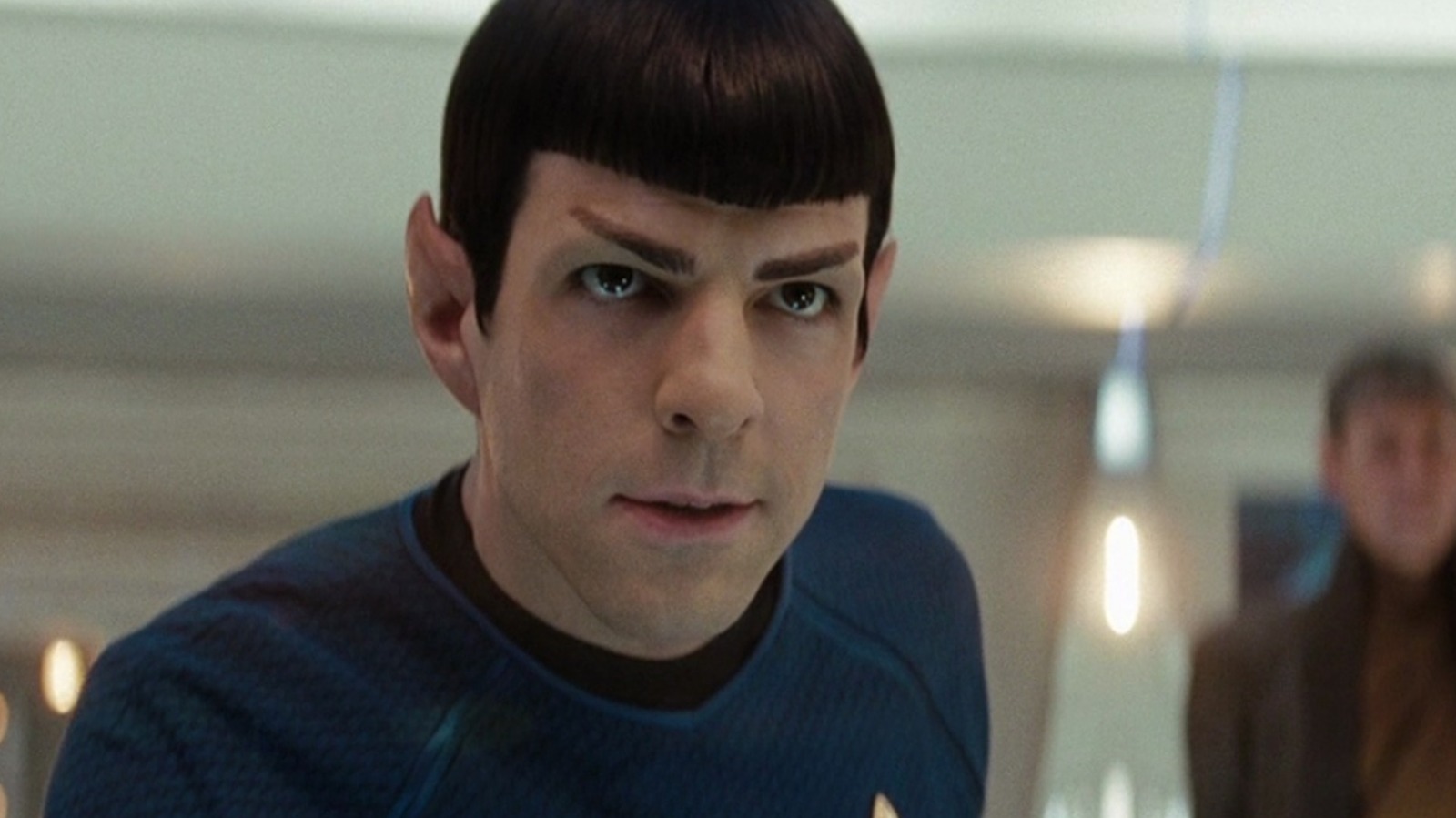
Arthur C. Clarke, the renowned author of iconic sci-fi works like "2001: A Space Odyssey," has left a lasting impact on the genre with his thrilling tales of deep space exploration. In a 1997 interview, Clarke shared his thoughts on the popular sci-fi franchise "Star Trek," expressing a reserved view of the series. While acknowledging its ability to inspire fans about space exploration, Clarke felt that "Star Trek" leaned too heavily into fantasy adventure and lacked the scientific realism he valued.
Despite not being a devoted "Star Trek" fan, Clarke's influence on the genre is undeniable. Gene Roddenberry, the creator of the original "Star Trek" series, credited Clarke's writing, particularly his book "Profiles of the Future," as a source of inspiration for the show. Clarke, however, humbly downplayed his impact on "Star Trek," noting that common elements exist in most science fiction works. His preference for real science over fantastical storytelling led him to critique the lack of scientific accuracy in many sci-fi productions, including "Star Trek."
Clarke's fascination with the mysteries of space and his belief in the potential diversity of alien life forms set him apart from traditional sci-fi narratives. While acknowledging the entertainment value of humanoid characters in sci-fi, Clarke envisioned a more unconventional and alien-centric portrayal of extraterrestrial beings. His visionary perspective on the vastness and complexity of the universe challenged the conventional portrayals of space exploration in popular media, emphasizing the need for scientific accuracy and imagination in depicting the wonders of the cosmos.