India's Mandate for Pre-loaded Cybersecurity App on Smartphones: Balancing Security and Privacy
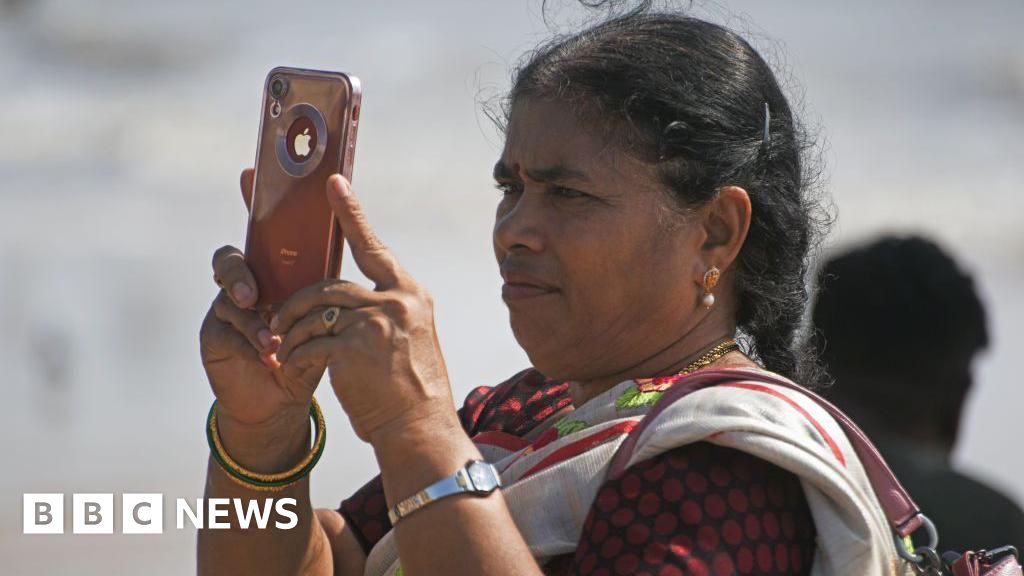
India has mandated that all new smartphones must come pre-loaded with a non-removable cybersecurity app developed by the government. The Sanchar Saathi app is aimed at helping users verify the authenticity of their devices, report lost or stolen phones, and flag suspected fraud communications. The move has raised privacy concerns among cyber experts, who argue that it infringes on citizens' right to privacy.
The Department of Telecommunications in India highlighted the importance of the app in combating the misuse of telecom resources, particularly in cases of duplicate or spoofed IMEI numbers. The app allows users to check a device's IMEI, report lost or stolen phones, and identify potential fraud. The government believes that the app will enhance telecom cybersecurity and help prevent financial losses due to the resale of stolen or blacklisted devices.
Under the new regulations, smartphone manufacturers have 90 days to ensure that all new devices come pre-installed with the Sanchar Saathi app. The app must be easily accessible to users and its functionalities cannot be disabled or restricted. Companies are also required to provide compliance reports within 120 days and make efforts to offer the app through software updates for unsold devices.
Despite the government's claims that the app has helped recover lost phones and bolster cybersecurity, critics argue that the app's broad permissions raise concerns about data collection and surveillance. The app's design, which prevents users from disabling it, has sparked worries about potential access to user data and the app's role as a permanent fixture on smartphones.
The controversy surrounding the Sanchar Saathi app underscores the ongoing debate about privacy and government surveillance in the digital age. While the government aims to enhance cybersecurity and combat telecom fraud, concerns about data privacy and user consent remain at the forefront. The implementation of the app raises questions about the balance between security measures and individual privacy rights in the smartphone market.
In conclusion, India's decision to mandate the pre-loading of the Sanchar Saathi app on all new smartphones has sparked a debate about privacy, cybersecurity, and government surveillance. While the government emphasizes the app's role in combating telecom fraud and enhancing security, critics raise concerns about data collection, user consent, and the app's potential for surveillance. The controversy highlights the complex relationship between security measures and privacy rights in the digital era, underscoring the need for transparency, accountability, and user empowerment in the realm of cybersecurity.