Kate Bush: Pioneering Artistry in the Music Industry
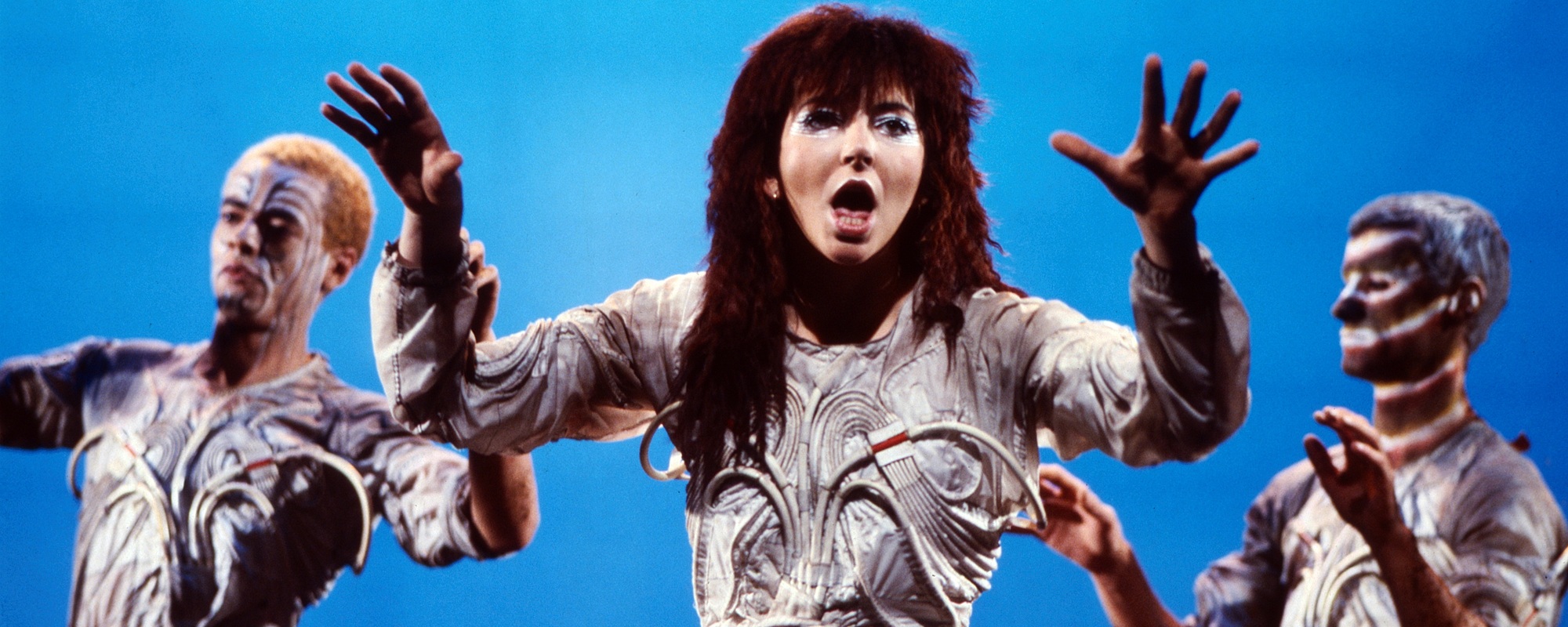
In the music industry, emerging musicians often have the opportunity to open for established acts, providing them with valuable experience performing in front of large audiences. This exposure can also help them showcase their talent to industry executives and potentially secure their own headline shows in the future. However, this path may limit their creative freedom, as they are expected to support the main act rather than steal the spotlight. Kate Bush, for example, declined an offer to open for Fleetwood Mac in 1978, prioritizing her artistic vision over a supporting role.
Discovered by Pink Floyd guitarist David Gilmour at a young age, Kate Bush quickly rose to fame with hits like "Wuthering Heights" and released two albums before 1979. Despite her growing success, Bush chose to focus on her own unique path rather than accepting opportunities to open for other artists. This decision ultimately led to her groundbreaking 1979 Tour of Life, a one-of-a-kind experience that showcased her innovative approach to music and performance.
Brian Southall, an executive at Bush's label EMI, revealed that Bush turned down the chance to open for Fleetwood Mac because she wanted more than just a brief opening slot. Instead, she aimed to create a tour that integrated various artistic elements like dance, mime, magic, and poetry, setting her apart from traditional concert experiences. This commitment to her artistic vision paid off, as the Tour of Life became a memorable and influential tour in her career.
By prioritizing her creative vision and refusing to conform to traditional expectations, Kate Bush established herself as a trailblazing artist in the music industry. Her decision to forego opening for Fleetwood Mac in favor of creating her own unique tour highlights her dedication to pushing boundaries and delivering unforgettable performances.