Georgia's Legal Battle: Enforcing Athletic Contracts and Player Transfers
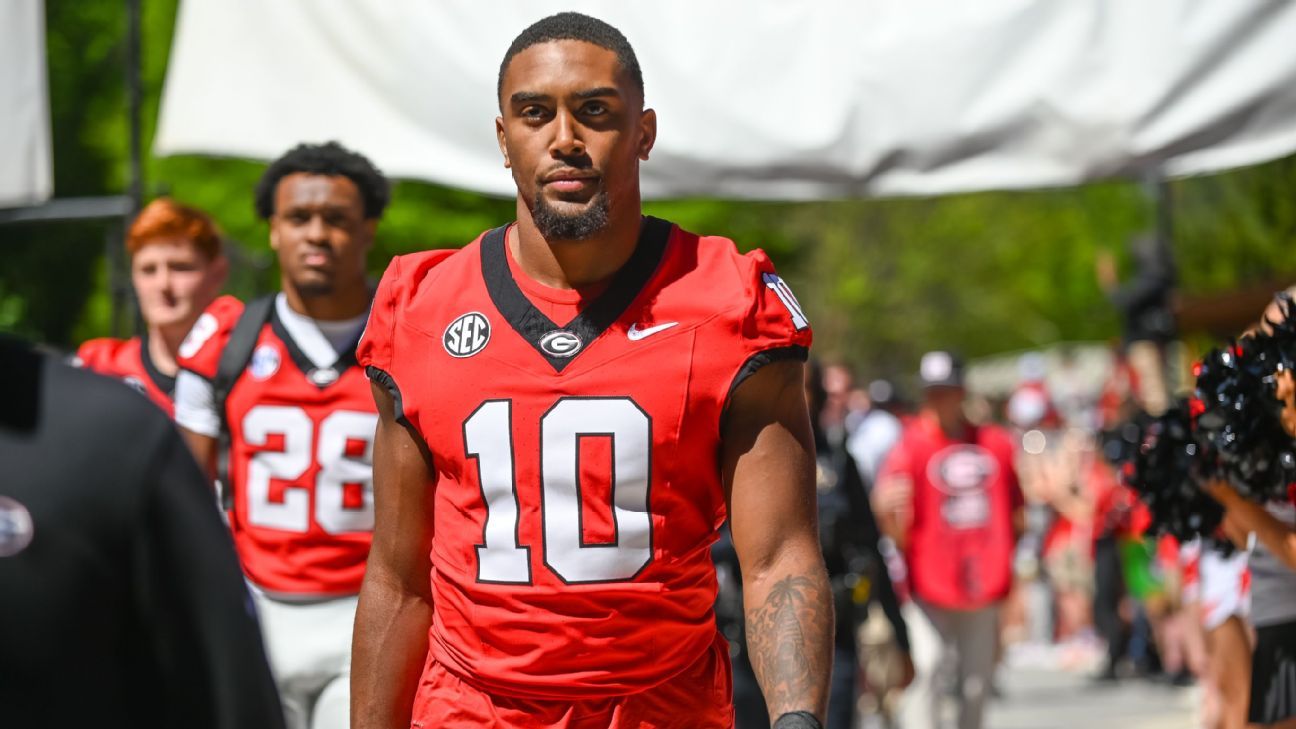
Georgia's athletic department is pursuing legal action against former defensive end Damon Wilson, who transferred from the school to Missouri after his sophomore season. The Bulldogs are seeking $390,000 in damages from Wilson, citing a clause in his contract as a buyout fee for leaving early. This case could set a precedent for schools using "liquidated damages" clauses to deter player transfers and protect their investments in athletes.
Wilson, who was a key pass rusher for Missouri's defense, signed a new deal with Georgia's Classic City Collective before transferring. The Bulldogs claim that Wilson owed them $390,000 within 30 days of his decision to leave the team, despite receiving $30,000 from the disputed contract. Georgia's athletics spokesman emphasized the importance of honoring commitments in agreements with student-athletes.
The contract Wilson signed with Classic City Collective outlined a payment structure of $500,000 to be distributed over 14 months. If Wilson left the Georgia team or entered the transfer portal, he would owe a lump sum equal to the remaining contract amount. Georgia took over the rights to collect damages from the collective, leading to the legal dispute with Wilson.
Legal experts suggest that Georgia will need to justify the $390,000 damages as a reasonable assessment of the harm caused by Wilson's departure. Liquidated damages cannot be used as punitive measures but must reflect actual losses incurred. Similar cases have arisen in college sports, such as Arkansas' attempt to enforce a similar clause against two players who transferred out of the program.
The outcome of Georgia's legal action against Wilson could have implications for how schools handle player contracts and transfers in the future. The enforcement of liquidated damages clauses in athletic agreements may shape the dynamics of player movement and financial obligations within college sports. It remains to be seen how this case will be resolved and what impact it will have on the relationship between student-athletes and their institutions.