Unveiling The Beatles' Critics: A Closer Look at the Controversial Views of Music Industry Icons
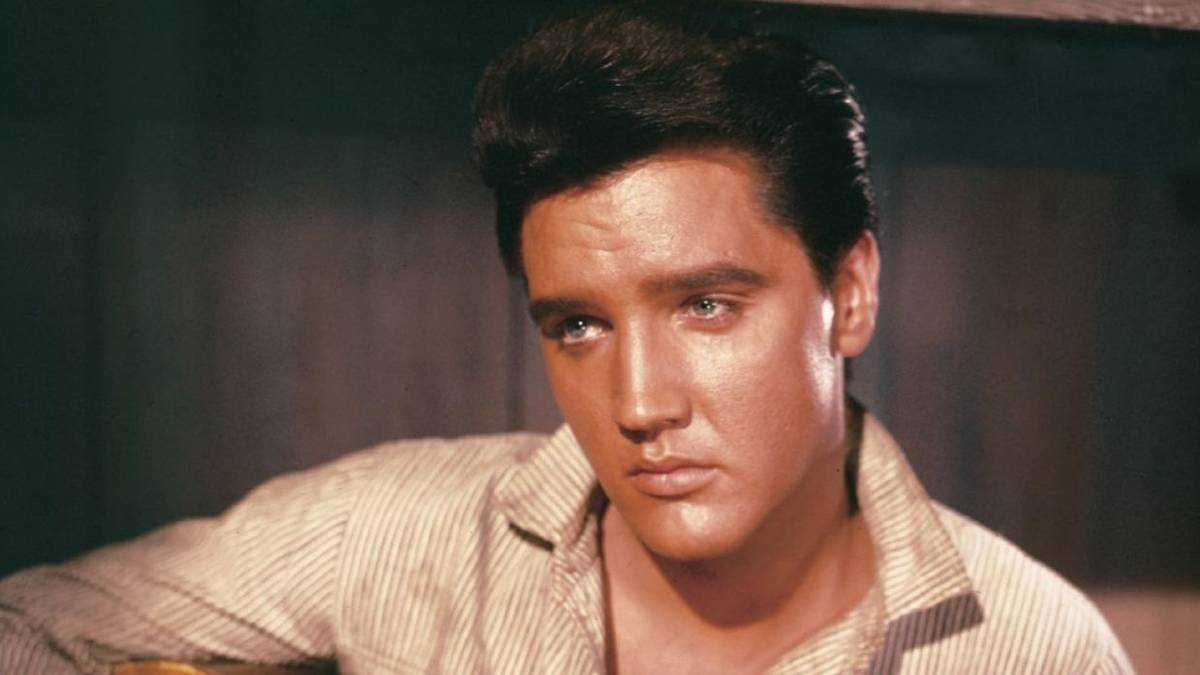
For fans of The Beatles, it may come as a surprise that not everyone in the music industry holds the band in high regard. Despite their immense success and influence on rock music, The Beatles have faced criticism from various musicians across different genres. Some have labeled them as derivative, boring, or simply not good. Let's delve into the opinions of some of The Beatles' most vocal critics and explore why these artists have such strong negative feelings towards the iconic band.
Todd Rundgren, a singer-songwriter known for his work with bands like Nazz and Utopia, has been outspoken about his disdain for The Beatles, particularly John Lennon. Rundgren criticized Lennon for his revolutionary calls, labeling him as a hypocrite and questioning his behavior. He also had less than favorable opinions about Paul McCartney, calling him dour, while having little interaction with George Harrison. However, Rundgren did find drummer Ringo Starr to be the most approachable and enjoyable to work with.
Charles Mingus, a legendary jazz composer, viewed The Beatles as unoriginal and accused them of appropriating African American music without proper credit. He believed that the band was copying existing music and selling it back without acknowledgment. Mingus' criticism of The Beatles was rooted in their lack of originality and failure to recognize the contributions of Black musicians to their sound.
Ray Davies, the frontman of The Kinks, shared his perspective on The Beatles, highlighting their commercial appeal and middle-class audience targeting. Davies believed that The Beatles prioritized business over artistic expression, catering their music to please their listeners rather than pushing boundaries. His critique extended to specific songs from The Beatles' catalog, where he found some tracks lacking in quality and originality.
Lou Reed, a pioneering figure in punk rock and a member of The Velvet Underground, openly expressed his dislike for The Beatles. Reed considered The Beatles to be subpar musicians and criticized their lack of originality. He believed that Lennon's solo work was more innovative than his contributions to The Beatles and aimed to elevate rock and roll beyond the norms set by bands like The Beatles.
Julian Casablancas, the frontman of The Strokes, echoed Lou Reed's sentiments by stating that The Beatles' music was derivative and hindered individuality in musicians. Casablancas believed that bands like The Velvet Underground, who explored more experimental sounds, were overshadowed by The Beatles' mainstream success. He credited his avoidance of The Beatles' music as a factor in shaping his unique musical style.
Quincy Jones, a renowned producer with an extensive career in music, criticized The Beatles' musical abilities, labeling them as the worst musicians he had encountered. Jones specifically pointed out Paul McCartney's bass playing and Ringo Starr's drumming as subpar, suggesting that other musicians had to step in to record certain tracks for the band. Despite his harsh comments, Jones later apologized to McCartney for his remarks.
Trent Reznor, the frontman of Nine Inch Nails, initially dismissed The Beatles as obsolete and expressed frustration with people who idolized the band. However, Reznor later revisited The Beatles' music with an open mind and acknowledged their innovative contributions, particularly in their later work. His evolving perspective on The Beatles reflected a deeper appreciation for their musical legacy.
Elvis Presley, often regarded as the King of Rock and Roll, had a complicated relationship with The Beatles. While The Beatles idolized Presley and cited him as an influence, Presley did not reciprocate the admiration. His music influenced the British band, but Presley himself did not hold The Beatles in high regard, showcasing a disconnect between the two iconic musical acts.
In conclusion, The Beatles, despite their widespread acclaim and success, have faced criticism from notable figures in the music industry. Their detractors have cited reasons ranging from lack of originality to commercial appeal, highlighting a diverse range of perspectives on the band's legacy. While The Beatles remain a beloved and influential group in music history, their critics offer alternative viewpoints that challenge the band's status as the gold standard of the industry.