Exploring Character Deaths and Narrative Evolution in Spartacus: Vengeance
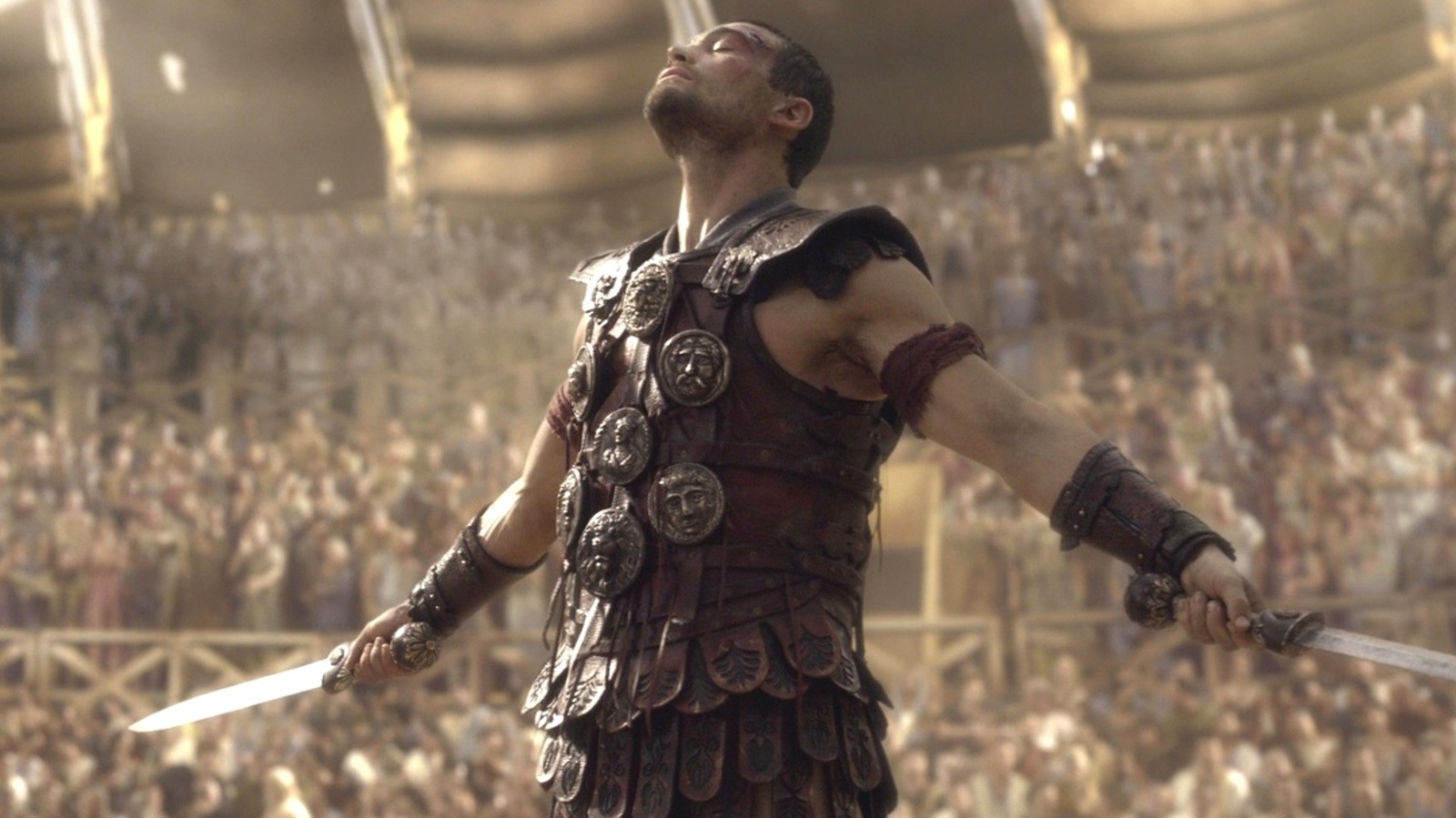
Spartacus, the Thracian gladiator who led a slave uprising against the Roman Republic in 73 BC, remains a mysterious figure due to limited historical records. Despite the lack of concrete information about his life, Steven S. DeKnight created the Starz series "Spartacus," known for its graphic portrayal of violence and unexpected character deaths. In the second season, titled "Spartacus: Vengeance," the story takes a new direction following a significant character's demise, prompting DeKnight to reflect on the necessity of such plot developments.
In the first season of "Spartacus," the protagonist Spartacus clashes with Batiatus, his former owner, leading to a pivotal moment where Spartacus kills Batiatus and vows to challenge Rome. DeKnight justifies this character's death as essential for the narrative progression, even though it means losing a compelling antagonist. The void left by Batiatus is filled by Glaber in the second season, a character driven by his desire to crush the slave rebellion, but whose arrogance ultimately leads to his downfall at the hands of Spartacus in a brutal and satisfying confrontation.
The death of key characters in "Spartacus: Vengeance" serves as a catalyst for the evolving storyline, showcasing the consequences of power struggles and personal vendettas in the ancient Roman setting. DeKnight's strategic approach to character deaths underscores the show's commitment to delivering intense and impactful storytelling, despite the challenges of portraying historical events with limited factual basis.