Swinging London Sound: John Lodge's Musical Journey and Iconic Bass Playing
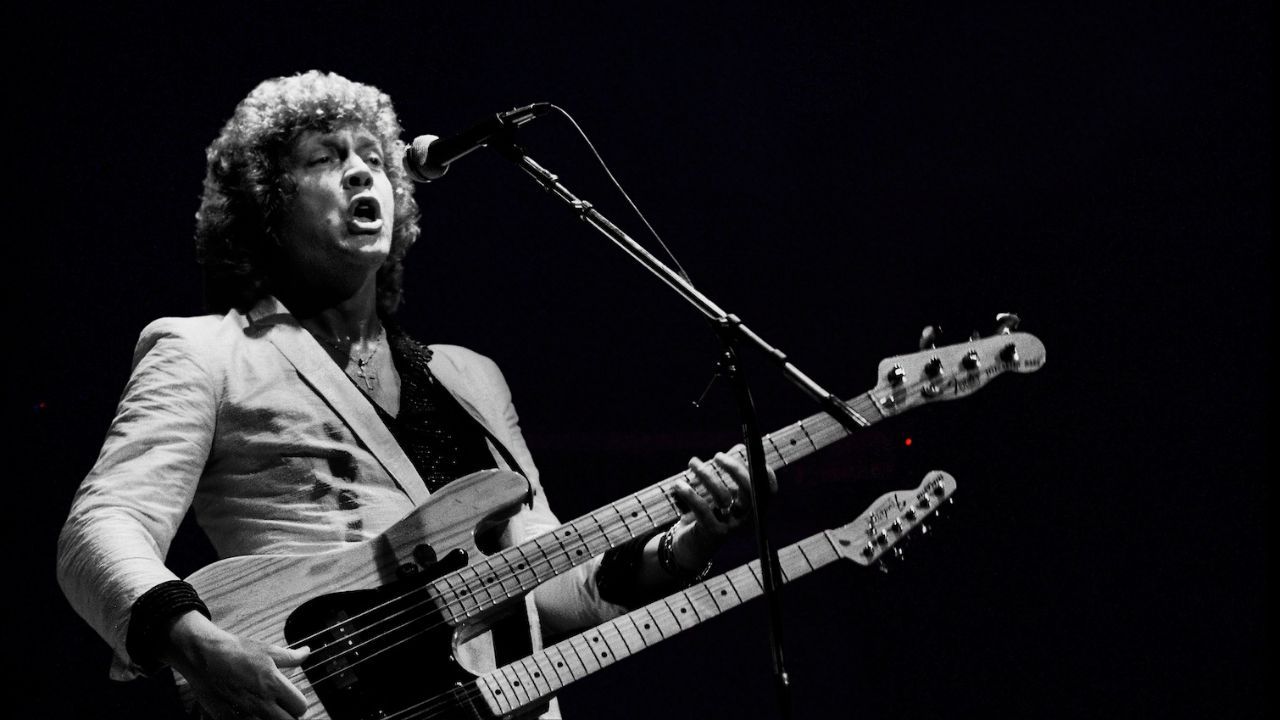
John Lodge, the late bassist and co-vocalist of the Moody Blues, reminisced about the vibrant music scene in Swinging London during the '60s. He described the era as a time when music and fashion converged, with iconic locations like Carnaby Street and King's Road bustling with activity. Lodge recalled encounters with legendary musicians like George Harrison, Paul McCartney, and Mick Jagger at clubs like the Speakeasy Club, where the Moodies also frequented.
Lodge highlighted the excitement of the era, with new musical achievements and innovations happening regularly. He shared anecdotes about listening to Jimi Hendrix's first album at Chas Chandler's apartment and being amazed by Mick Jagger's stereo system in his car. The dynamic atmosphere of Swinging London left a lasting impression on Lodge, who considered it a magical time.
As a musician, Lodge's affinity for Fender guitars led him to experiment with a double-neck guitar and bass setup to seamlessly transition between acoustic and bass guitar in songs like "Isn't Life Strange?" and "One More Time to Live." He eventually collaborated with Fender to create a custom double-neck instrument that combined the best of both worlds, albeit with a hefty weight.
Lodge's musical journey began with a fascination for rock 'n' roll icons like Little Richard and Gene Vincent, which inspired him to pick up the guitar at a young age. He later transitioned to bass after recognizing the driving rhythm elements in songs and drew inspiration from Motown bassist James Jamerson's innovative playing style. Lodge's preference for using a pick on the bass stemmed from his desire to emulate the cello-like sound he admired.
Reflecting on his bass playing influences, Lodge acknowledged the impact of fellow bassists like John Entwistle and Noel Redding, as well as the evolving bass techniques of Paul McCartney. He shared his fond memories of acquiring his first high-quality bass, a 1960 Fender Precision, which became a staple in the Moody Blues' recordings. Lodge also discussed his preference for a Custom Shop 1962 Jazz Bass with active pickups for live performances.
Lodge's collaboration with drummer Graeme Edge in the Moody Blues resulted in a tight-knit rhythm section that seamlessly complemented each other's playing styles. Their musical chemistry was evident in songs like "Ride My See-Saw," where Lodge's intricate bass lines added depth to the track. Despite the complexity of some bass parts, Lodge maintained a balance between playing and singing, considering them as interconnected elements of his musical expression.
The success of songs like "I'm Just a Singer (in a Rock and Roll Band)" and "Nights in White Satin" showcased the Moody Blues' chart-topping prowess in the early '70s. Lodge fondly recalled the excitement of having multiple singles and albums in the Top Five, emphasizing the collaborative songwriting process within the band. The era of Swinging London and the musical achievements of the Moody Blues left an indelible mark on Lodge's career, shaping his unique bass playing style and musical contributions.