The Evolution of Violence in Cinema: From Controversy to Classic
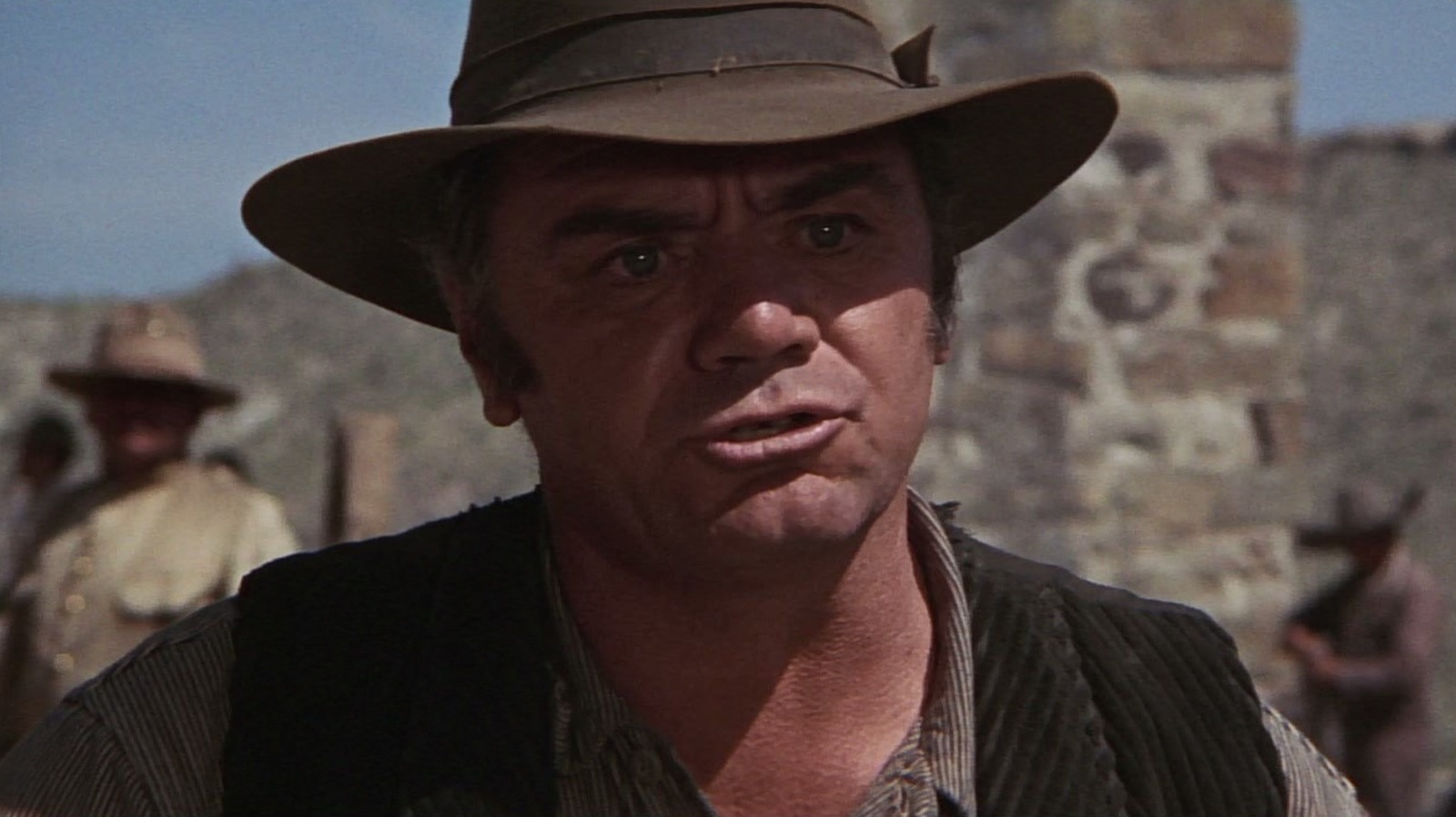
Violence in movies has been a contentious issue since the early days of cinema. The portrayal of violence on screen has evolved over time, with early films like "The Great Train Robbery" and "Scarface" causing controversy for their violent content. However, it was not until the late 1960s that more visceral and realistic violence began to appear in films like "Bonnie and Clyde" and "The Wild Bunch." Despite the initial shock and criticism these films received, they are now considered classics in the film industry.
"The Wild Bunch" in particular, directed by Sam Peckinpah, pushed the boundaries of on-screen violence with its graphic and intense portrayal of a gang of aging outlaws facing off against a corrupt Mexican general and his troops. The film's brutal and chaotic finale, featuring a prolonged and bloody shootout, was a groundbreaking moment in cinema history. However, not everyone was a fan of this new wave of violent filmmaking.
John Wayne, a Hollywood icon known for his roles in classic Westerns, was critical of the changing landscape of American cinema in the 1970s. In an interview with Playboy magazine, Wayne expressed his disapproval of films like "The Wild Bunch," "Easy Rider," and "Midnight Cowboy," which he felt were too explicit and violent. Wayne believed that films should provide escapism and entertainment, rather than depict the harsh realities of life.
Despite his conservative views, Wayne's criticism of films like "The Wild Bunch" revealed a disconnect between his traditional Hollywood values and the evolving nature of cinema. While Wayne preferred the more sanitized violence of his own films, directors like Sam Peckinpah were pushing the boundaries of what was acceptable on screen. The clash between these two perspectives highlighted the changing attitudes towards violence in film and the impact of the New Hollywood era on the industry.
In conclusion, the debate over violence in movies has been ongoing since the early days of cinema. Films like "The Wild Bunch" challenged traditional notions of on-screen violence and sparked discussions about the role of violence in storytelling. While John Wayne's criticism of the film reflected his conservative views, it also highlighted the evolving nature of cinema and the impact of New Hollywood on the industry. The legacy of films like "The Wild Bunch" continues to influence filmmakers and audiences today, shaping the way we view violence in movies.