Uncovering the Welfare Fraud Scandal: Minnesota's Somali Community Under Scrutiny
Minnesota is currently facing a significant welfare fraud issue involving the Somali community, with hundreds of millions of dollars being siphoned from the U.S. government through bogus programs. President Donald Trump has taken notice of this scam, targeting a $1 billion welfare fraud in the state, particularly among Somalians. The state, known for its Democratic voting history and generous social assistance programs, has become a hub for fraudulent activities, leading to Trump's decision to terminate the Temporary Protected Status (TPS Program) for Somalis in Minnesota.
Minnesota, with a population of around 5.8 million, is home to a large Somali diaspora community, primarily residing in the Twin Cities. The influx of Somalians into the state began in the early 1990s due to the civil war in Somalia. The recent COVID-19 pandemic shed light on a massive fraud scheme involving a child nutrition program linked to the Somali community, resulting in over $300 million in fraudulent claims. Various individuals and companies exploited government programs, diverting funds for personal gain, leading to significant legal repercussions.
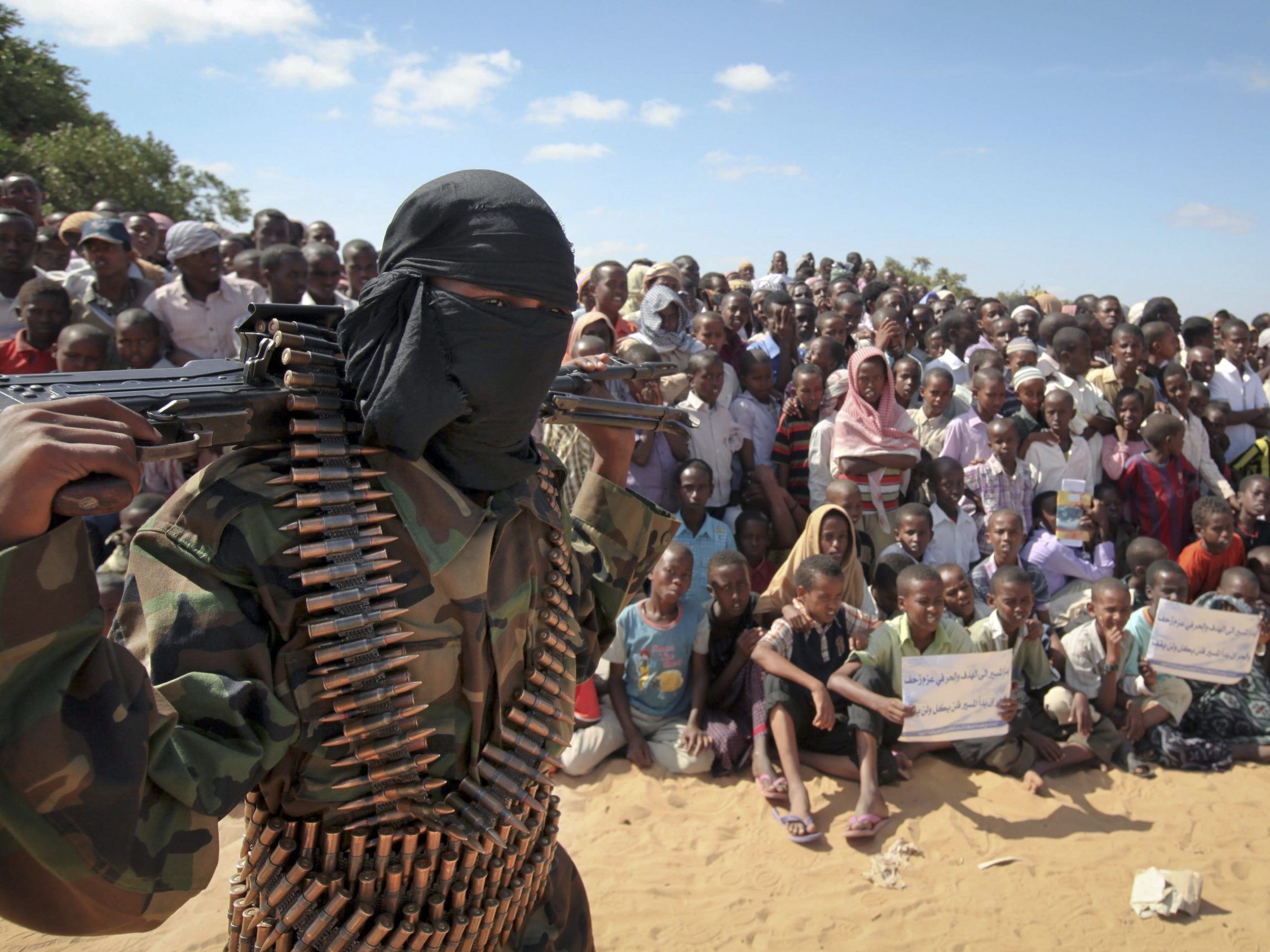
The fraudulent activities extended beyond the child nutrition program to other welfare programs in Minnesota, including the Housing Stabilization Services Program and the autism program. These schemes involved false certifications, billing Medicaid for services not rendered, and pay-offs to parents for cooperation. The widespread fraud network not only defrauded taxpayers but also raised concerns about potential ties to terrorism, with funds allegedly flowing to extremist groups like Al-Shabaab.
Congresswoman Ilhan Omar, a prominent figure in the Somali-American community and the Twin Cities, has faced scrutiny for her alleged connections to the welfare fraud scandal. Despite her close ties to individuals involved in the fraud, Omar has remained silent on the issue, raising questions about her knowledge and involvement. Governor Tim Walz has also come under fire for his handling of the fraud, with whistleblowers accusing him of negligence and retaliation against those who raised concerns.
The welfare fraud scandal in Minnesota has exposed systemic issues within the state's government and raised questions about accountability and oversight. The fear of being labeled as racist has hindered efforts to address the fraud scheme effectively, as whistleblowers and officials have faced backlash for speaking out. The complex web of fraudulent activities, coupled with political implications and community dynamics, has created a challenging situation for Minnesota and its residents.
In conclusion, the welfare fraud scandal in Minnesota involving the Somali community has brought to light significant challenges in governance, accountability, and community relations. The ongoing investigations and legal actions underscore the need for transparency, oversight, and proactive measures to prevent similar fraudulent activities in the future. Addressing these issues requires a collaborative effort from government officials, law enforcement agencies, and community leaders to uphold integrity and trust in public welfare programs.