Auto Retail Sector in India: November Sales Report and Future Outlook
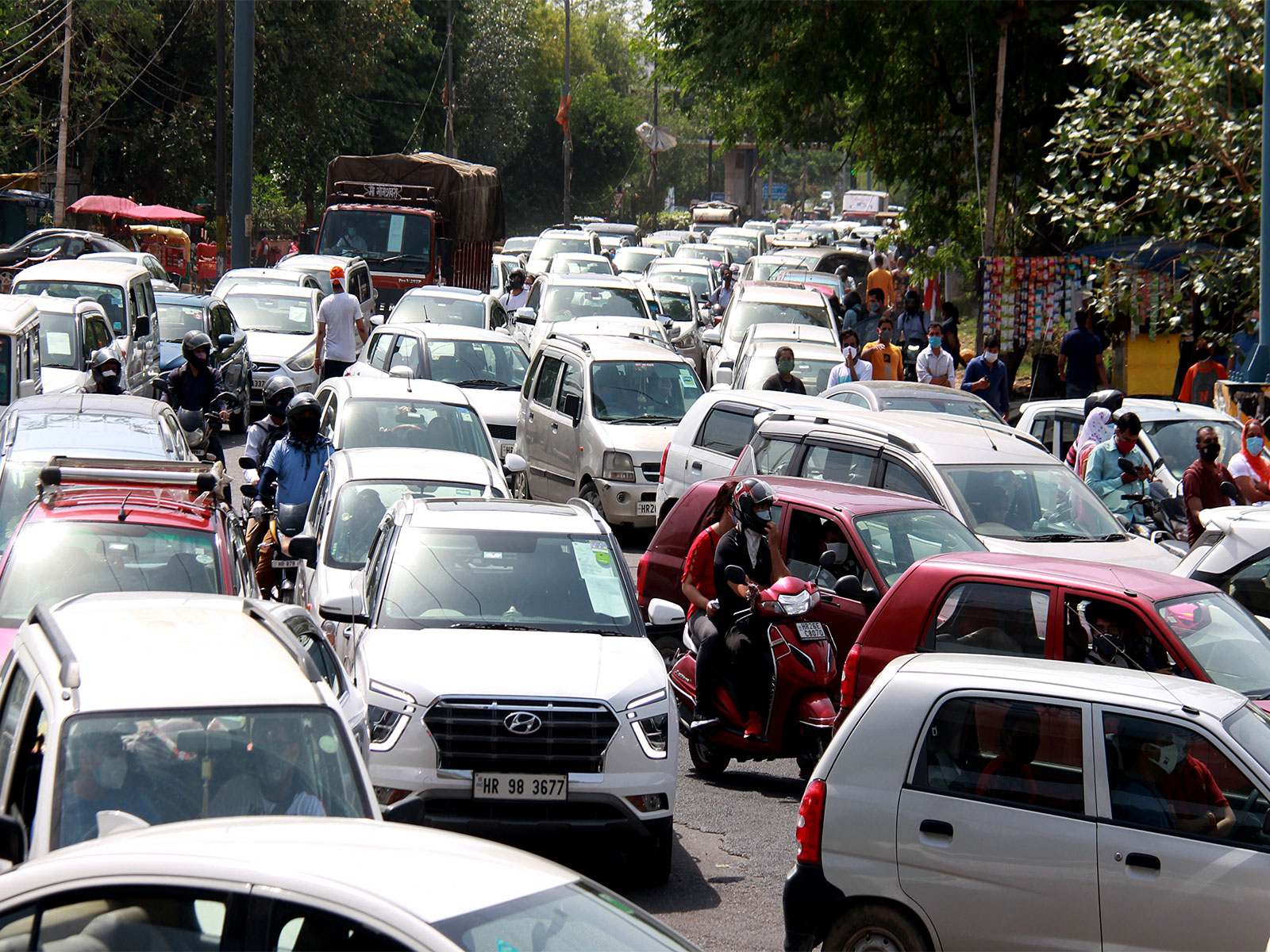
Retail vehicle sales in India saw a slight increase of 2.14% in November, defying the usual post-festival slowdown. The total sales for the month exceeded 33 lakh units, with various vehicle segments showing mixed performance. Two-wheeler sales declined by 3.1%, while passenger vehicles, commercial vehicles, three-wheelers, and tractors saw growth in sales.
The positive sales trend in November was attributed to GST rate cuts and promotional offers by dealers and automakers. Despite the festive season being over, the demand for vehicles remained steady, driven by price reductions and attractive deals. The FADA President highlighted the resilience of the auto retail sector in the face of challenging market conditions.
Two-wheeler sales faced a decline due to a shift in buying patterns during the festive season in October. However, strong footfall in showrooms continued, supported by GST sentiments and demand from the marriage season. Passenger vehicle sales benefited from GST benefits, improved supply chain, and consumer preferences for compact SUVs, leading to reduced inventory levels.
Commercial vehicle sales showed robust growth, driven by infrastructure projects, freight movement, and government tenders. Despite uneven fleet utilization in some markets, the overall outlook for the auto retail sector remains positive. Improved rural sentiment, favorable macroeconomic indicators, and upcoming year-end consumer schemes are expected to sustain demand in the coming months.
Dealers are optimistic about the future, citing strong enquiry pipelines, improved stock availability, and expected year-end promotions. The industry anticipates continued growth supported by GST reforms, new model launches, and increasing rural liquidity. The government's initiatives to streamline taxes and promote mobility are also expected to boost vehicle sales in the long run.
In conclusion, the auto retail sector in India is poised for growth in the next few months, driven by a combination of factors such as tax reforms, consumer demand, and economic recovery. The industry remains cautiously optimistic about the market outlook, with a focus on meeting customer needs and driving sales through strategic initiatives.