King Charles III's Cancer Journey: A Message of Hope and Awareness
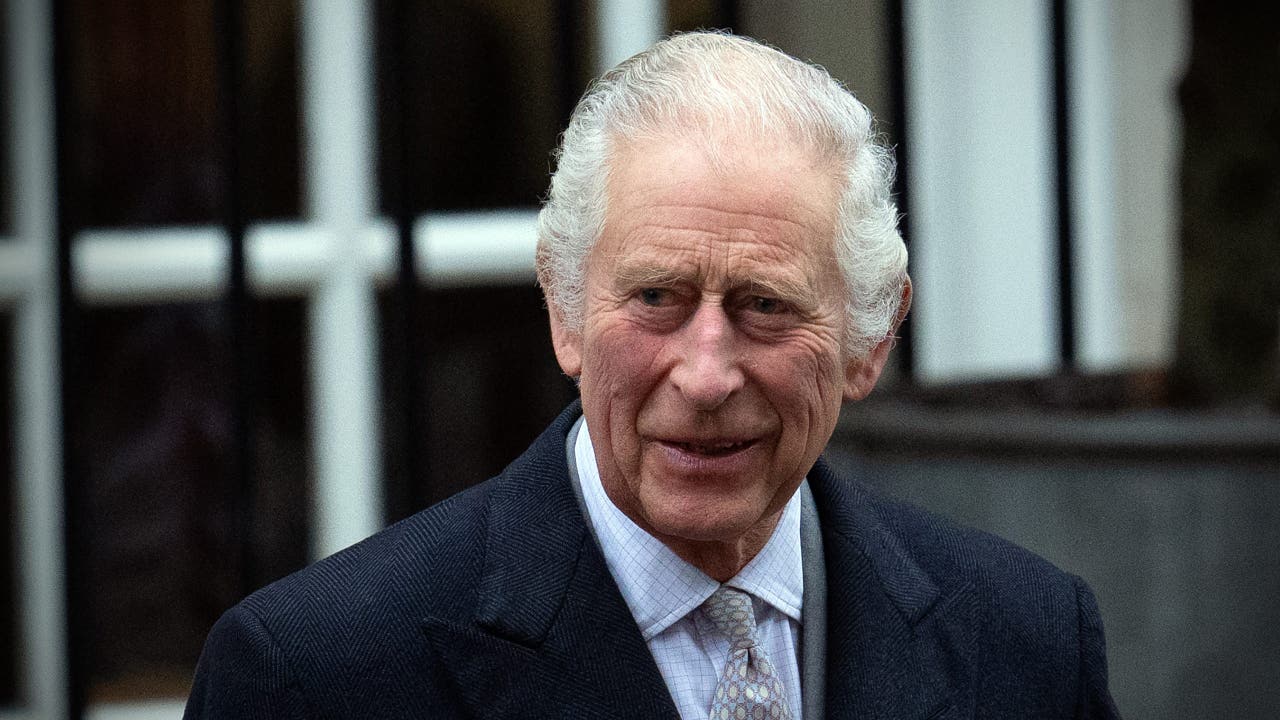
King Charles III has recently started treatment for cancer and will be sharing his journey in a televised broadcast as part of the Stand Up To Cancer campaign. The 75-year-old monarch will discuss his diagnosis and recovery, emphasizing the importance of early cancer screening. The speech, recorded at Clarence House, will provide insight into his experiences since revealing his diagnosis in February 2024.
During the broadcast, King Charles III will talk about his "recovery journey" as a cancer patient and encourage others to prioritize cancer screening checks. The monarch's decision to share his diagnosis aims to prevent speculation and raise awareness about cancer. While the specific type of cancer has not been disclosed, the king's message will focus on his positive outlook on treatment and his eagerness to resume public duties.
Following a hospital procedure in February, King Charles III was diagnosed with cancer, prompting him to postpone public engagements for treatment. Despite this, he continued with state affairs and maintained his role as head of state. By openly discussing his diagnosis, the king hopes to inspire early detection and treatment for those affected by cancer, contributing to increased awareness and support for cancer research.
After a period of treatment and recovery, King Charles III returned to public engagements, including visits to cancer treatment centers to interact with patients and medical staff. His willingness to share his personal journey with cancer has led to a surge in public interest and awareness about the importance of early cancer detection. As the monarch continues his treatment, his message serves as a reminder of the significance of regular screenings and proactive healthcare measures.
In conclusion, King Charles III's decision to speak about his cancer diagnosis and recovery reflects his commitment to raising awareness and promoting early cancer screening. By sharing his personal journey, the monarch aims to encourage others to prioritize their health and seek timely medical intervention. His message serves as a reminder of the importance of early detection in improving cancer outcomes and underscores the value of proactive healthcare measures for individuals worldwide.