Star Trek: Pioneering the Future of Science Fiction
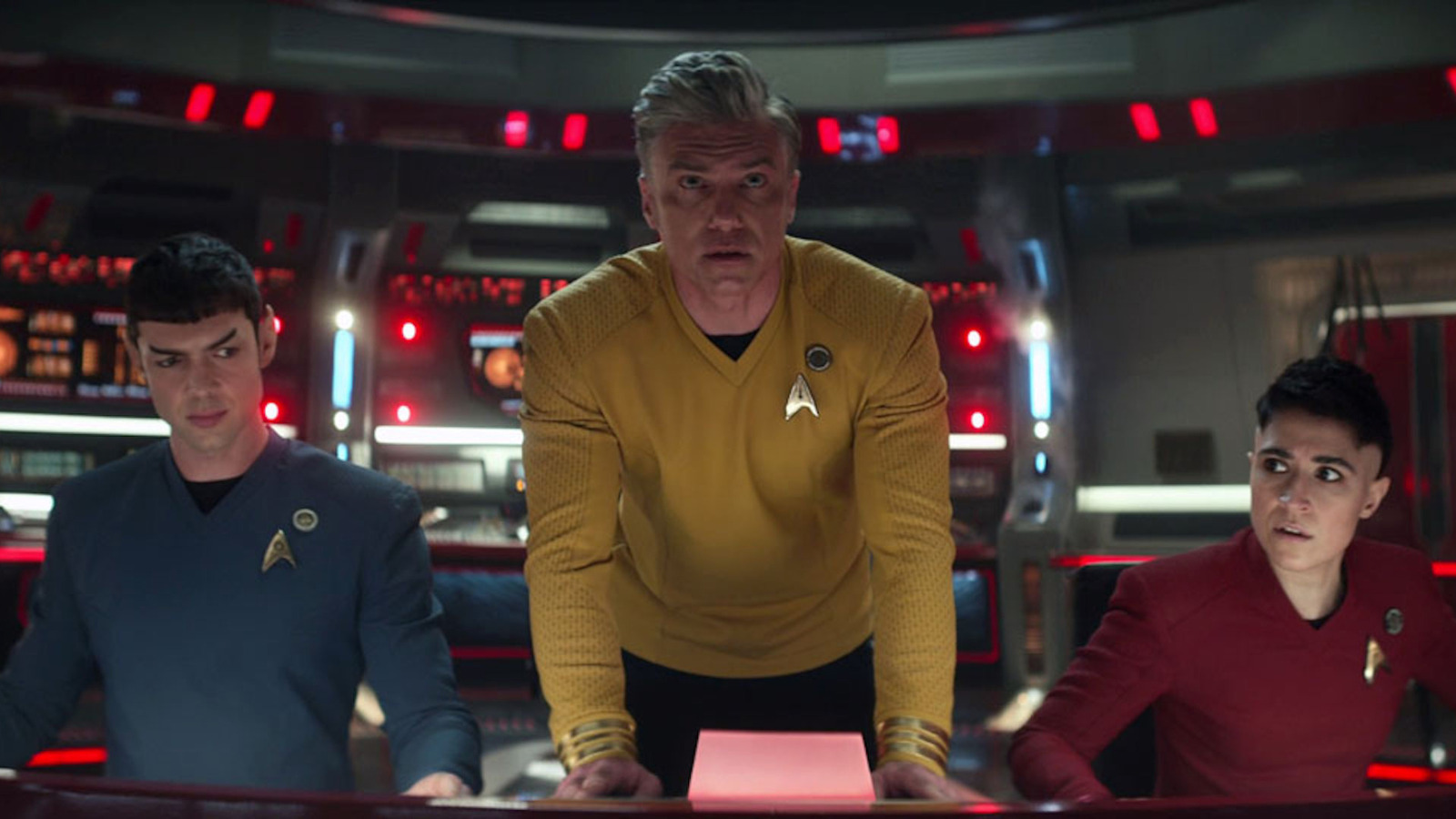
Science fiction has undergone significant evolution over the past century, with each new entry bringing a unique contribution to the genre. However, in 1966, the landscape of science fiction was vastly different from what we see today. It was the iconic series "Star Trek" that laid the groundwork for the genre as we know it now, taking bold risks and forging a new path for science fiction. Over the years, "Star Trek" has earned a reputation for pushing boundaries and trailblazing in the realm of television sci-fi, setting the stage for the genre's current prominence in media.
Before "Star Trek," science fiction on television was primarily geared towards children, featuring light-hearted space adventures with episodic stories. However, "Star Trek" changed the game by presenting mature, thought-provoking narratives with real dramatic weight. The series tackled controversial and political subject matter, challenging the norms of sci-fi storytelling and paving the way for other shows to explore complex themes. By venturing into uncharted territory, "Star Trek" set a new standard for the genre.
The impact of "Star Trek" extended beyond television, influencing the landscape of sci-fi movies as well. The franchise's transition to the big screen marked a significant milestone, with 14 successful films released by 2025. In 1987, "Star Trek: The Next Generation" took a bold step by reviving the franchise on television, introducing a new cast and setting the stage for multiple spin-offs running concurrently. This move set a precedent for other science fiction franchises to expand their universes across various platforms.
"Star Trek" also revolutionized the concept of serialization in television storytelling. While episodic formats were the norm, "Star Trek: The Next Generation" and "Star Trek: Deep Space Nine" embraced ongoing narratives, engaging viewers in long-term story arcs and character development. By breaking away from the episodic structure, "Star Trek" created a deeper connection with its audience and set a new standard for serialized storytelling in sci-fi.
Another groundbreaking aspect of "Star Trek" was its interconnected universe, where characters and storylines from different series and movies intertwined seamlessly. The franchise's commitment to continuity and crossover events set a precedent for other sci-fi franchises to create cohesive fictional worlds across various media platforms. By establishing a multiverse of interconnected adventures, "Star Trek" laid the foundation for future franchises to explore similar narrative possibilities.
"Star Trek" also challenged the traditional norms of television by daring to kill off main characters, a rarity in the industry at the time. The franchise's willingness to take risks and introduce unexpected plot twists demonstrated a commitment to storytelling innovation and unpredictability. By defying audience expectations and embracing narrative unpredictability, "Star Trek" set a new standard for character-driven drama in science fiction.
In 2009, J.J. Abrams redefined the concept of reboots with his film "Star Trek," which introduced a new timeline through a clever use of time travel. This narrative device allowed the franchise to explore alternate realities while preserving the original canon, setting a new standard for reboots in the sci-fi genre. By embracing the concept of a multiverse, "Star Trek" opened up new storytelling possibilities and inspired other franchises to explore similar narrative structures.
Most recently, "Star Trek: Discovery" took a bold step by radically altering its premise in its third season, shifting the focus to a dystopian future setting. This bold narrative choice challenged audience expectations and demonstrated a willingness to evolve and adapt in response to feedback. By embracing change and pushing the boundaries of traditional sci-fi storytelling, "Star Trek: Discovery" continues to set a new standard for innovation in the genre.
In conclusion, "Star Trek" has been a trailblazer in the world of science fiction, taking bold risks and pushing boundaries to redefine the genre. From its groundbreaking storytelling to its interconnected universe and willingness to embrace change, "Star Trek" continues to inspire and influence the future of sci-fi storytelling. As the franchise boldly goes where no one has gone before, it remains a shining example of innovation and creativity in the world of science fiction.