The Rise of Executions in the United States: Trends, Controversies, and Challenges
Support for capital punishment in the United States has been on the decline, reaching its lowest level in 50 years. Despite this trend, the number of executions carried out by governmental authorities is expected to increase significantly this year. The Death Penalty Information Center reported that 46 people were executed in 2025, with two more scheduled to be executed later in the week. This marks a sharp increase from the 25 executions in 2024.
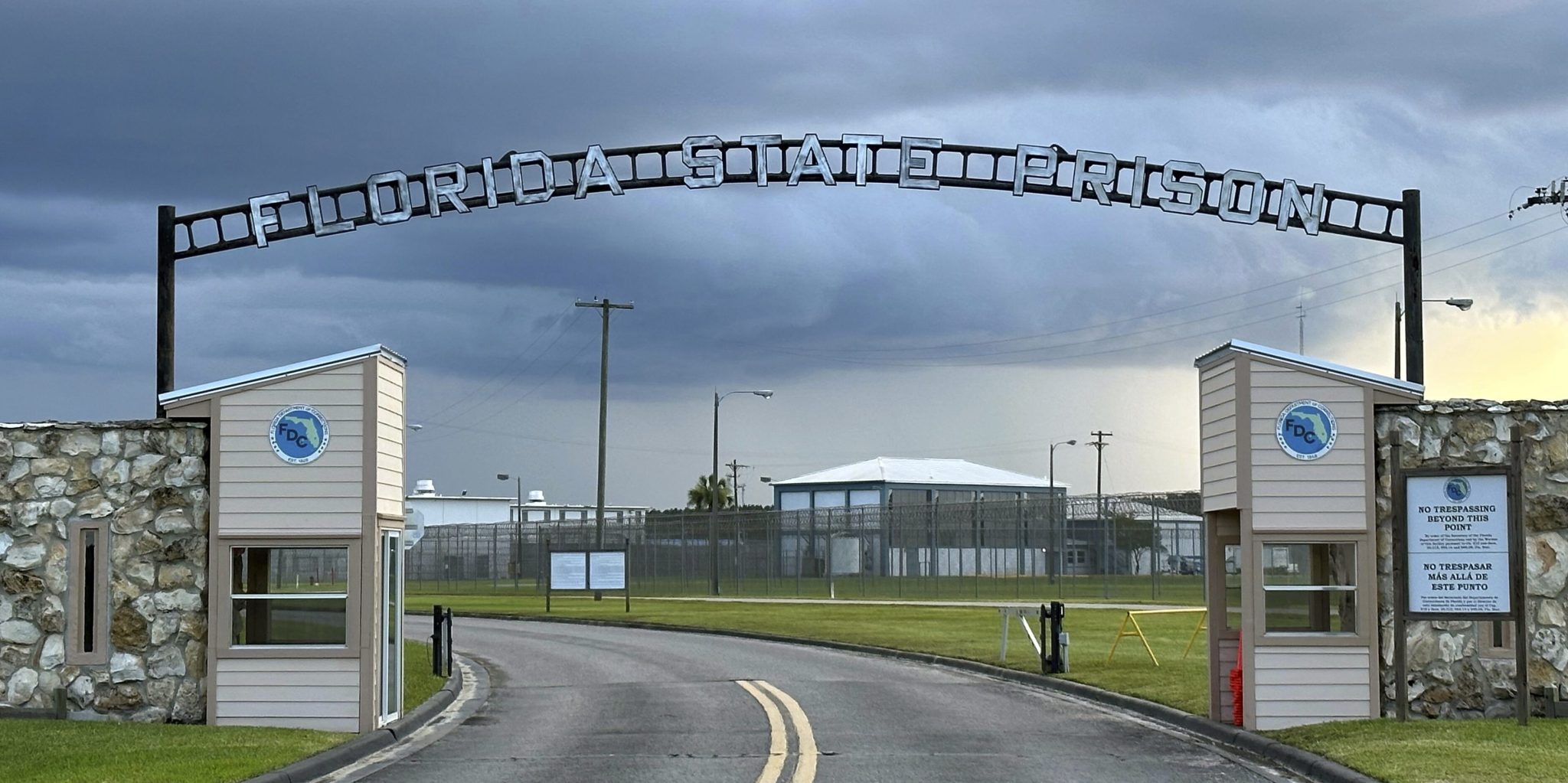
The surge in executions is largely driven by Florida, which is set to conduct 19 executions this year, accounting for 40% of the nation's death sentences. Other states like Alabama, South Carolina, and Texas also had multiple executions in 2025. However, the number of new death sentences handed out at trial has declined, with only 22 resulting in a death sentence out of over 50 capital trials.
Despite the decreasing public support for capital punishment, elected officials in states that carry out executions have been introducing legislation to expand the use of the death penalty. In 2025, legislators in 11 states and the U.S. Congress introduced bills to expand the use of capital punishment. Some states have even passed laws allowing the death penalty for non-lethal sex crimes, despite the Supreme Court banning this practice.
Several states have also introduced new execution protocols and methods, such as death by firing squad and the use of nitrogen in executions. However, these methods have raised concerns about prolonged suffering and potential violations of the constitutional ban on cruel and unusual punishment. Executions in states like Tennessee and South Carolina have faced criticism for deviating from established protocols and causing unnecessary pain to the condemned prisoners.
The lack of transparency and accountability in the execution process has also been a cause for concern. States like Alabama have faced criticism for the prolonged and botched executions using nitrogen gas. Despite these issues, the Supreme Court did not grant any stays of execution in 2025, signaling a reluctance to intervene in the use of experimental and untested execution methods.
The discrepancies between public opinion, legislative actions, and the actual practice of capital punishment highlight the need for greater transparency and accountability in the execution process. As the number of executions continues to rise, it is essential for elected officials to address concerns about the constitutionality and humaneness of the death penalty.