Analyzing President Trump's Claims: Fact-Checking Economic and Societal Impact
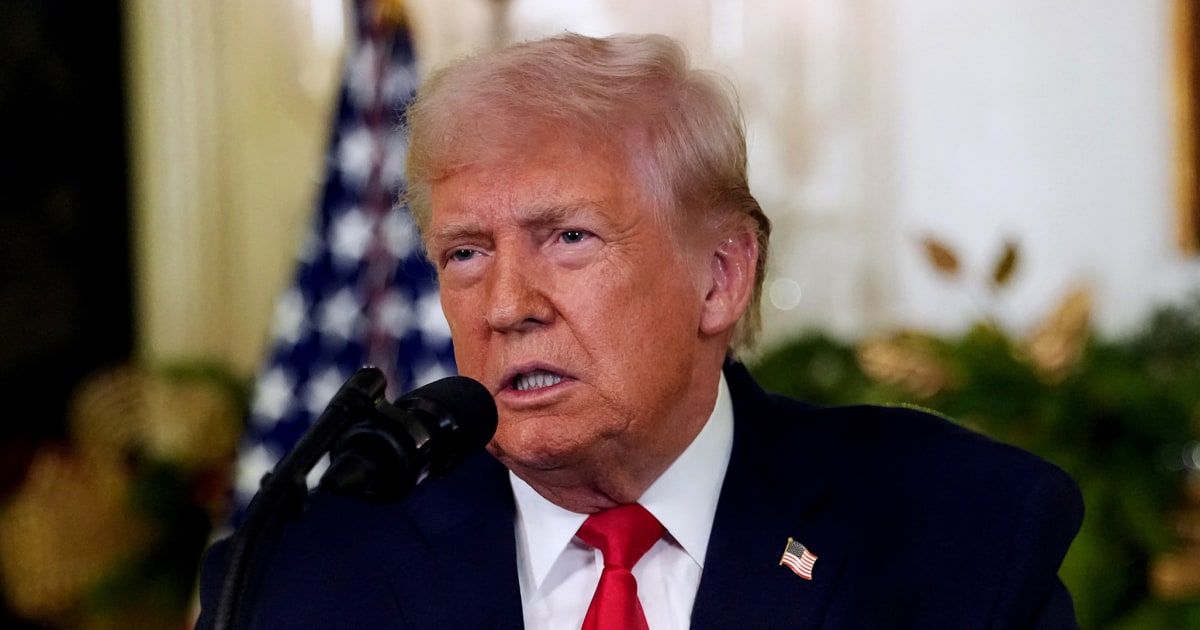
President Donald Trump recently delivered a speech where he made several claims about the economic, military, and societal impact of his second administration. While some of his claims were accurate or close to reality, others were misleading or incorrect. In this article, we will provide context and data for eight key claims made by Trump.
Average wages were increasing at a pace of 4.1% in January, but the pace of wage growth has since slowed to 3.5%. Inflation is currently at 3.0%, and wages have broadly kept pace with rising prices even for lower-paid workers.
Contrary to Trump's claim, 7.4 million undocumented immigrants crossed the border outside of legal checkpoints during the Biden administration. The total number, including those who crossed at legal points of entry without documentation, is 10.2 million.
The price of eggs has decreased by 43.9% since March, according to government data. While some prices may be falling, overall prices continue to increase.
Gasoline prices are indeed falling, but the average price cited by Trump is inaccurate. The national average price for regular gas is $2.90, not $2.89 as claimed by Trump.
The cost of a Thanksgiving turkey this year decreased by 3.7% for national brands, according to data from the Wells Fargo Agri-Foods Institute. The overall cost of a Thanksgiving meal fell by 2% to 3% this year.
Trump's claim of foreign investments totaling $11 trillion is inaccurate. The real figure is lower, with estimates closer to $7 trillion. Many of the investments are vague pledges or parts of trade deals that have not been finalized.
The number of foreign-born and native-born workers in the U.S. workforce is a complex estimate based on population projections and samples. Comparing the unemployment rates among the two groups shows that the rate among native-born workers has risen, while the rate among foreign-born workers has fallen.
While Trump and drugmakers have announced deals to lower drug costs, it is unclear if consumers have benefited. Little data is available to verify the extent of the price reductions claimed by Trump and the drug companies.
In conclusion, Trump's claims about various economic and societal factors during his second administration have been met with mixed accuracy. It is essential to analyze the data and context behind these claims to understand the true impact of his policies.