Revolutionizing Concert Production: The Rolling Stones' Groundbreaking 1989 Tour
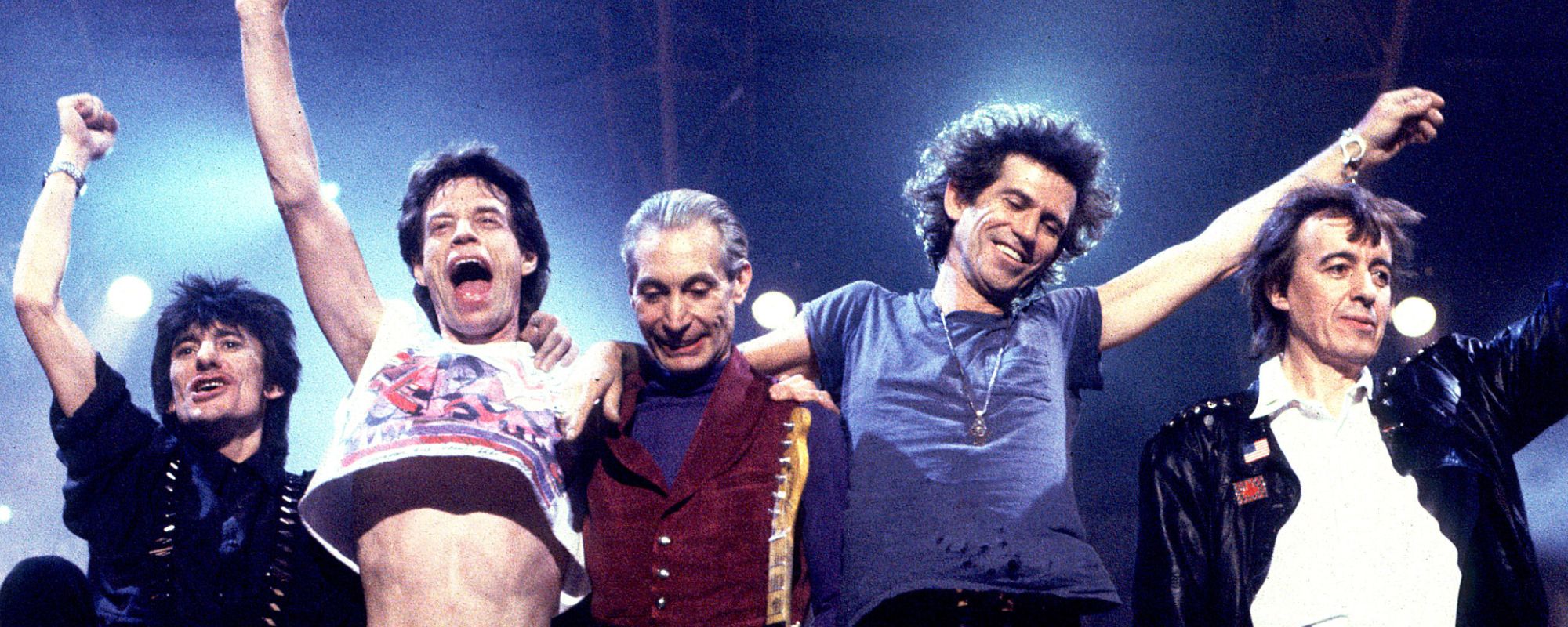
The Rolling Stones embarked on a groundbreaking concert tour in 1989, setting a new standard for the music industry. Despite initial doubts about the feasibility of such a massive production, the band's "Steel Wheels/Urban Jungle" Tour proved to be a resounding success. The tour marked the band's comeback after a hiatus and showcased a 300-feet-wide stage, the largest ever constructed at the time. With corporate sponsorship, high ticket prices, and new venue deals, The Rolling Stones were able to generate unprecedented revenue from the tour.
The involvement of promoter Michael Cohl, who introduced controversial money-making techniques, led to the departure of rock promoter Bill Graham. Graham famously referred to the tour as "a deal with the devil" due to the financial arrangements that he found objectionable. Despite the controversy, The Rolling Stones' tour set a new industry standard for concert production, paving the way for future multimillion-dollar tours.
The 1989 tour was not only a financial success but also a technological milestone. It was the first concert series to be filmed in the IMAX format, utilizing cutting-edge equipment that presented challenges for the film crew. The massive IMAX cameras, the size of a baby rhino, required careful handling, and the limited storage capacity meant that footage had to be meticulously pieced together. The documentary filmmaker Julien Temple recalled the technical difficulties and the band's reaction to the close-up shots captured by the IMAX cameras.
The Rolling Stones' "Steel Wheels/Urban Jungle" Tour left a lasting impact on the music industry, revolutionizing concert production and setting a new standard for live performances. The tour's success not only solidified the band's legendary status but also paved the way for future multimillion-dollar tours and technological innovations in concert filming.