Chris 'Mad Dog' Russo Criticizes Travis Kelce for Media Obligations Following Chiefs' Loss
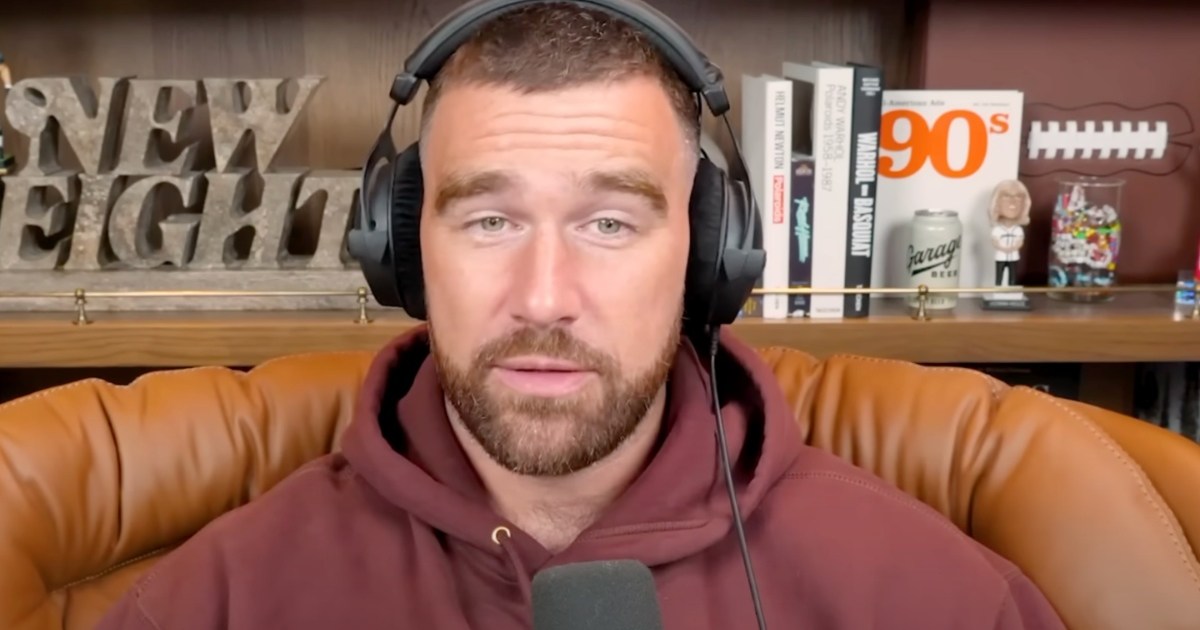
Chris “Mad Dog” Russo has criticized Travis Kelce for not fulfilling his media obligations after the Chiefs' recent loss to the Chargers. Russo took aim at Kelce's New Heights podcast during an appearance on ESPN's First Take, expressing his disappointment in Kelce's refusal to speak to the press following the game. He highlighted the importance of players engaging with the media, especially after significant losses or events on the field.
Russo emphasized the dedication of the media personnel who cover the Chiefs throughout the season, attending practices, games, and providing coverage for months on end. He expressed frustration at Kelce's decision to ignore the press after a game where key events unfolded, such as Mahomes' injury and the team's loss. Russo criticized Kelce for not offering even a brief comment to acknowledge the situation and show respect for the reporters who cover the team.
The radio host pointed out the significance of players like Kelce engaging with the media, particularly in challenging moments like the one the Chiefs faced after their loss to the Chargers. He highlighted the responsibility that comes with being a professional athlete and the importance of being accessible to the press, especially in times of adversity. Russo's comments underscored the impact of players' interactions with the media on fans and the broader sports community.
In his critique of the Kelce brothers' New Heights podcast, Russo questioned the relevance of the show in comparison to the immediate need for Kelce to address the media after a crucial game. He emphasized the disconnect between focusing on a personal podcast and fulfilling professional obligations to engage with the press and provide insights into the team's performance. Russo's remarks highlighted the importance of prioritizing team responsibilities over personal endeavors, especially in critical moments for the team.
In conclusion, Chris "Mad Dog" Russo's criticism of Travis Kelce's handling of media obligations reflects the broader expectations placed on professional athletes to engage with the press and communicate with fans. Russo's comments underscore the significance of players like Kelce being accessible and accountable to the media, especially in challenging moments for the team. By highlighting the importance of fulfilling professional responsibilities, Russo's critique serves as a reminder of the impact of players' interactions with the media on the sports community as a whole.