Galactic Garb: Star Wars Costumes That Divided Fans
Star Wars fans are known for their passionate debates, and one area of contention is the costumes worn by characters in the franchise. While iconic outfits like Darth Vader's suit and Princess Leia's white dress are beloved, some costumes have sparked controversy among fans. From Ahsoka Tano's early revealing attire to the First Order Stormtroopers' sleek design, there are plenty of divisive looks in the galaxy far, far away.
Ahsoka Tano, Anakin Skywalker's padawan, faced criticism for her initial outfit in "The Clone Wars," featuring a short skirt and tube top. Fans questioned the practicality and appropriateness of the costume for a teenage warrior. Over time, Ahsoka's look evolved to a more functional and age-appropriate attire, reflecting a shift in fan perception and character development.
The First Order Stormtroopers introduced in the sequel trilogy received mixed reactions from fans. While some appreciated the updated design, others felt it paled in comparison to the classic Stormtrooper look. The debate over the Stormtroopers' appearance mirrors the larger discussion around the sequel trilogy's reliance on nostalgia versus innovation.
Kit Fisto, the green-skinned Jedi Master, became a meme among fans due to his inconsistent appearance in "Attack of the Clones" and "Revenge of the Sith." The differences in his on-screen portrayal sparked discussions about costume continuity and attention to detail in the Star Wars universe.
The Mods, a Tatooine street gang in "The Book of Boba Fett," divided fans with their retro-futuristic aesthetic. While some appreciated the homage to vintage subcultures, others found their design out of place in the desert setting. The Mods' colorful costumes added a new dimension to Tatooine's visual landscape, despite the mixed reception.
In "Ahsoka" Season 1, the transition of animated Clone Wars armor to live-action raised eyebrows among fans. The practical challenges of translating CGI costumes to real-life attire led to subtle differences in the characters' appearances. The attention to detail in adapting the animated designs for live-action garnered both praise and scrutiny from eagle-eyed viewers.
"The Acolyte," set in the High Republic era, featured Jedi robes that diverged from the prequel trilogy's aesthetic. The vibrant colors and uniformity of the robes sparked debate among fans, with some criticizing the cosplay-like appearance. The show's commitment to the source material from the High Republic books influenced the costume choices, leading to a distinct visual style for the Jedi characters.
Luke Skywalker's return in the Disney+ series faced criticism for his unchanged costume from "Return of the Jedi." Fans questioned the narrative logic of Luke's continued use of his iconic black robes years after the events of the original trilogy. The lack of character development reflected in Luke's costume choice became a point of contention among viewers.
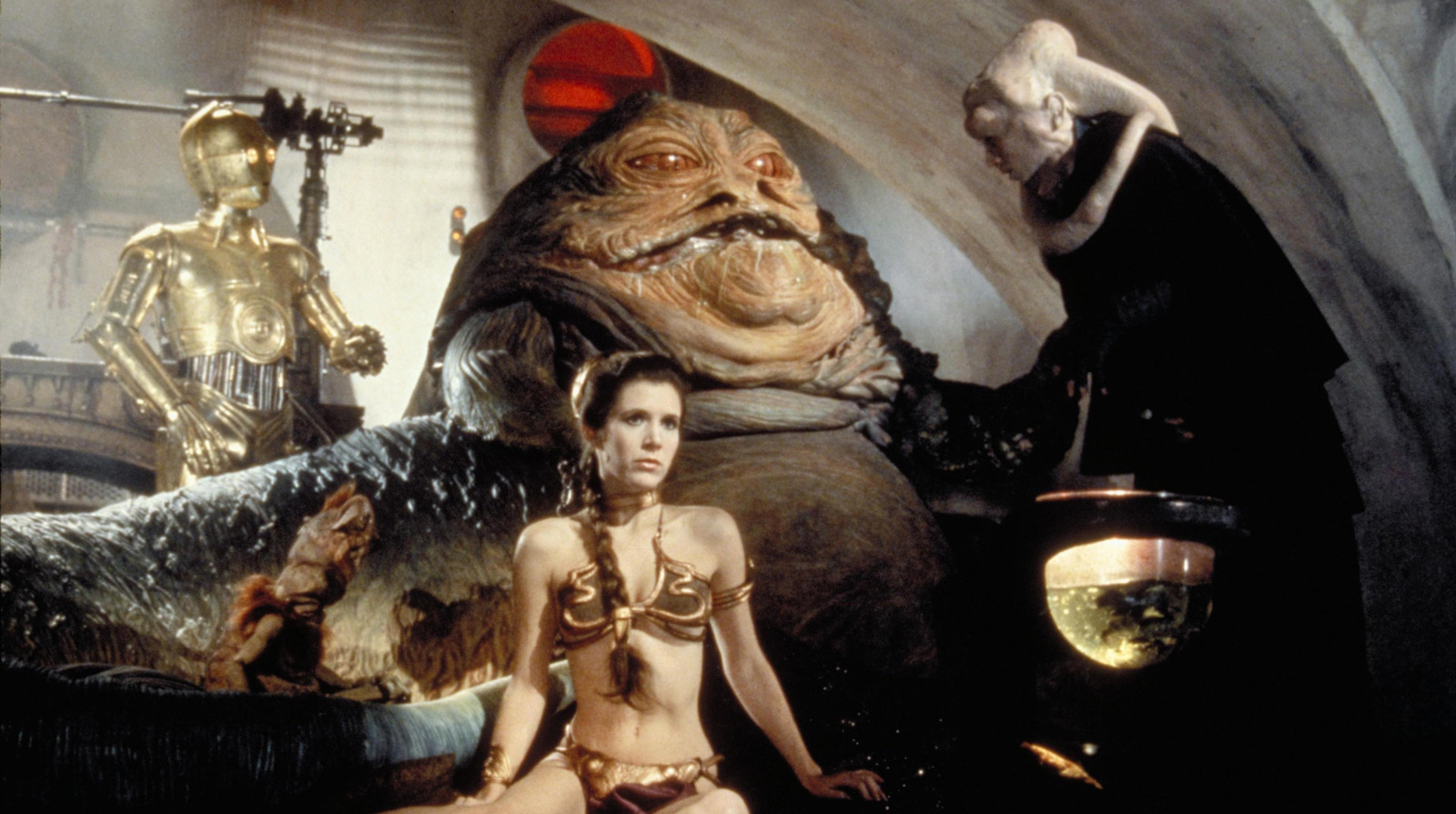
"Return of the Jedi" marked a turning point in the Star Wars franchise, with the introduction of the controversial "Slave Leia" outfit. Carrie Fisher's portrayal of Leia in the metal bikini sparked debates about objectification and empowerment in pop culture. The costume's cultural significance and Fisher's candid remarks about wearing it added layers to the ongoing discussion surrounding female representation in Star Wars.
In conclusion, Star Wars costumes have played a significant role in shaping the franchise's visual identity and sparking debates among fans. From practical concerns to narrative implications, each costume choice contributes to the rich tapestry of the galaxy far, far away, inviting audiences to engage in discussions about character design and storytelling in the Star Wars universe.