A Good Year: Ridley Scott and Russell Crowe's Romantic Comedy Venture
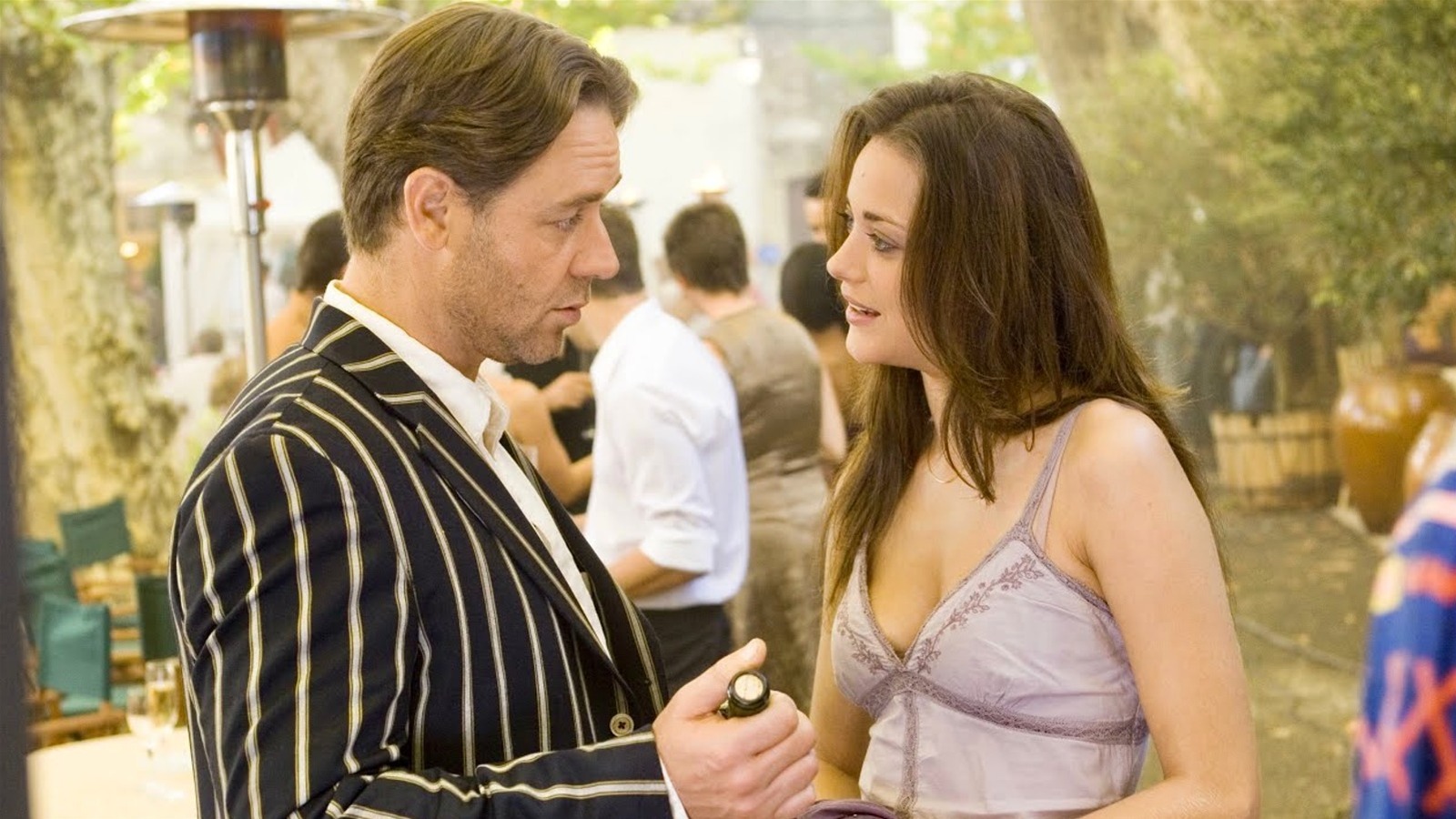
Director Ridley Scott and actor Russell Crowe collaborated on the historical drama film "Gladiator" in 2000. They later worked together on a romantic comedy titled "A Good Year" in 2006, which received mixed reviews. The movie follows Max Skinner, played by Crowe, who inherits a vineyard in Provence and encounters romantic entanglements while trying to sell the property. Despite the picturesque French countryside setting, the film struggled to balance its romantic and dramatic elements, leading to a divisive reception among viewers and critics alike.
The plot of "A Good Year" revolves around Max's attempts to navigate his personal and professional life, including his finance career and newfound responsibilities at the vineyard. While the film attempts to blend romance and comedy, some critics felt that Crowe's performance fell short in delivering the necessary humor. The movie's pacing, plot twists, and resolution also received criticism for lacking cohesion and emotional depth, ultimately affecting the overall viewing experience.
Despite its flaws, "A Good Year" managed to resonate with some audiences, who appreciated the film's aesthetic appeal and the chemistry between the lead actors. The romantic storyline between Max and Fanny, played by Marion Cotillard, unfolds against the backdrop of the vineyard, creating a visually pleasing setting for their relationship to develop. However, the film's conclusion, where Max chooses love over career ambitions, was met with mixed reactions due to the character's perceived lack of growth and depth throughout the narrative.
In conclusion, "A Good Year" showcases Ridley Scott and Russell Crowe's attempt to explore a different genre outside of their usual epic collaborations. While the film offers moments of charm and visual beauty, its narrative shortcomings and character development issues prevent it from achieving the same level of success as their previous works. Despite its mixed reception, the movie remains a notable entry in the duo's filmography, highlighting their versatility as filmmakers in experimenting with diverse storytelling genres.